



Zed Head
Community Member
-
Joined
-
Last visited
Everything posted by Zed Head
-
I just realized something that might be the main clue. All of our advice has been for the 71B type transmission. Yours appears to be something else. I don't see the front cover of the 71B. I noticed in some of your other pictures that the transmission was more rounded, didn't have the distinct features that the 71B has. You can probably start over, not sure where though. Identify your transmission. Is it a "monkey motion" 71A type? Sorry I didn't say something sooner, when I noticed the odd roundness. Here's the roundness. I even copied it and reposted.
-
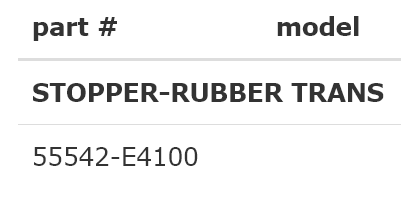
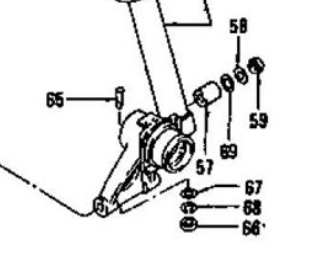
Doesn't having the offset to the outside leave a gap for that little rubber seal/washer? And keeps the nut off of the outer edge of the control arm. Nissan spent a lot of time avoiding metal to metal contact. If you look at all of the components in the rear you'll see that they're all suspended in rubber, separated from the body. Just an extra view... http://www.carpartsmanual.com/datsun/Z-1969-1978/axle/rear-suspension/69
-
I think that the one wires actually have a couple of jumper wires right on the back of the alternator. Where the L and the B and the S connections are. They're all connected together then one wire is run to the battery and harness. So you don't have a charge light and the loads are farther away from the alternator itself. But it's simple.
-
Checking back. Curious if you went ahead and installed it. With extra washers and things. I was going to suggest that you could make a lever arm, extension, for the end of the clutch fork to see if the clutch releases with that amount of throw. A piece of pipe with the end hammered flat could be made to slip over the end of the fork and you could work it by hand.
-
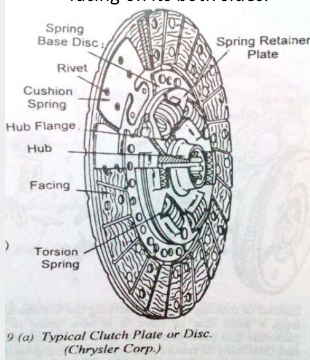
1/2 mm. Now we need to figure out how far the 25 mm of slave travel moves the pressure plate fingers and how that translates to the pressure plate moving. Would be a pretty cool math problem, for high school algebra. Seems like a lot of work now. Don't forget that clutch disc has a wave spring inside that compresses. Can't remember the name of it. Cushion spring? It doesn't seem like it would be the problem. 1/2 mm is less than a groove in the disc. Might be worthwhile to let all of this new info stew inside your brain for a bit. Something might come to you.
-
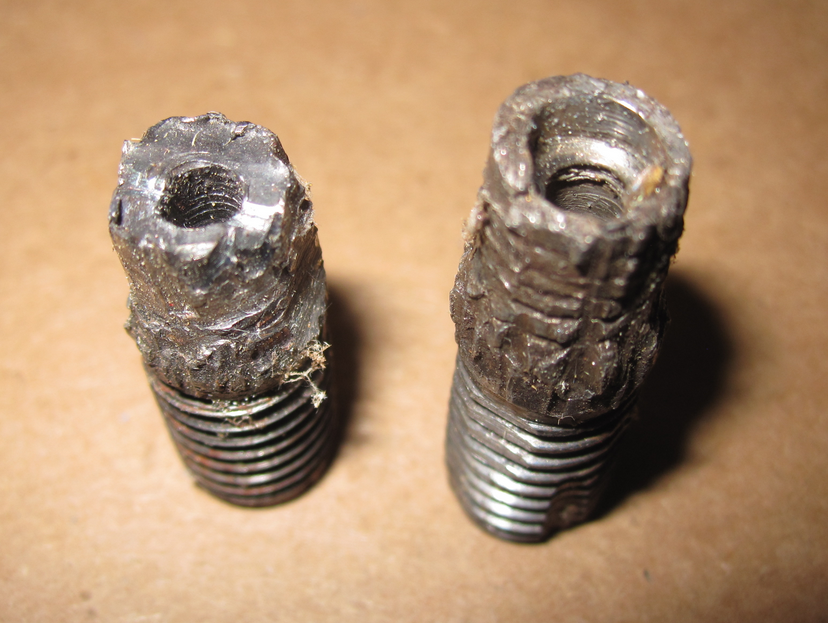
If you decide to do this, make sure you use thread sealant on the pivot ball threads. The hole extends in to the oil cavity inside. I had one that leaked and it was a real puzzle to figure out. Never assume that aftermarket parts are correct out of the box. If you have an old disc you could compare. Or take a measurement and maybe somebody will have one out here.
-
Here's my last one, until I think of another one. I think that it's been mentioned but it's worth reconsidering. Your pressure plate is being held open. Maybe your clutch disc is too thick. This would hold the pressure plate open and move the pressure plate fingers down. Or, and I don't really know if this could have the same effect. The disc is on backwards. If the disc is on backwards it can be pressed on to the flywheel bolts. This might be enough force to make it hold the pressure plate open. It would also engage the transmission with the engine, making it seem like the clutch is engaged, but never allowing you to disengage. Since all of your other work seems right, that seems most likely at this point, to me. Your pressure plate is being held open by something, causing the fingers to be depressed, causing the fork to be out of proper position.
-
Weird that you can pull it so far forward if it's clipped on. When I messed with mine I was always worried that I'd accidentally pull it out and not be able to get it reclipped. In your video you're moving the fork completely off of the pivot ball. It's normal to be able to move the sleeve back and forth but the fork should stay on the pivot ball. The shaft turning could be light drag. I'd make sure that it's firmly engaged. Put a rag on the output shaft and use some pliers to turn it, against the force of the engine. It just looks like your fork is way too close to get full disengagement. You could even measure that distance between fork and case until the fork bottoms out on the case and see if it is more or less than the slave cylinder stroke. Just looks like you're going to bottom out on the case. Anyway, thanks for the puzzle...

-
Or, maybe because the holding spring is not in place the fork is slipping off of the throwout sleeve. So maybe that's actually a major thing. That spring on the back of the fork should be set in place, clipped over the pivot ball, at the same time you clip the throwout sleeve under the fork tine springs. All of the those parts are firmly held in place and aligned by the spring clips and the nose of the front cover. I see the edge of the spring in your other pictures but it doesn't seemed to clipped on to the pivot ball. Example from internet -
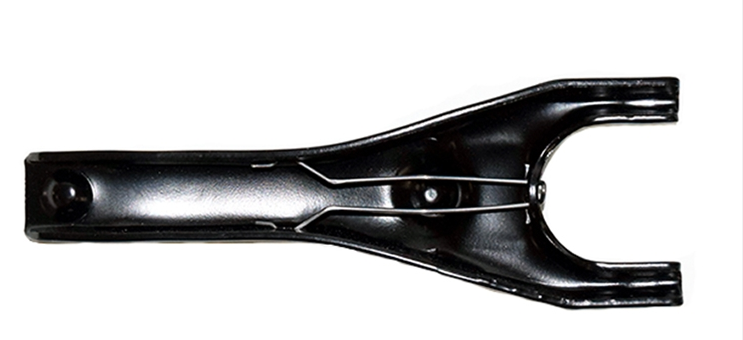
-
It still looks wrong. Is it possible that the clutch is already disengaged? Put the transmission in gear and see if you can turn the output shaft. Maybe when you install the transmission you're pushing the throwout bearing in to the pressure plate, disengaging the clutch. That could happen if the nose of the front cover is binding inside the throwout sleeve. Also, and this is minor, but there should be a spring on the back of the fork that holds it on to the pivot ball. It shouldn't be loose like you show in your video. Just another odd thing.
-
The distance from the friction surface of the flywheel to the back of the engine would tell you something about if the flywheel is thin. Again, somebody will need to get you a proper measurement to compare to.
-
That's a good one. That should show up at the front of the crankshaft. The damper pulley should be projecting forward. You'd see it in your belts and pulleys, they'd be misaligned, from damper pulley to water pump, etc. Might also see it in the distance from the flywheel edge to the back of the block. That's a more direct measurement but someone will need to verify theirs for you. Never heard of it happening but all of your other numbers seem right. Seems like a crankshaft misalignment would cause other problems too though.
-
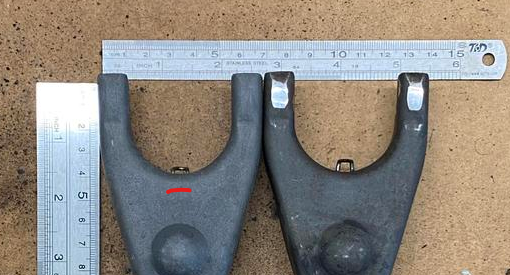
Couple more... Is there a gap between the engine and transmission? That will move the pivot ball back. Picture below. Do you get the same distance with the new fork installed? It's a lot of work putting it all together to check, but it's the last unknown. Maybe that older fork is deformed somehow. It's the actual contact surfaces that matter, you can't really tell from the outer dimensions. The pivot ball could be "sunk" in to its seat on that older fork. The fork "tines" have a lot of wear visible.
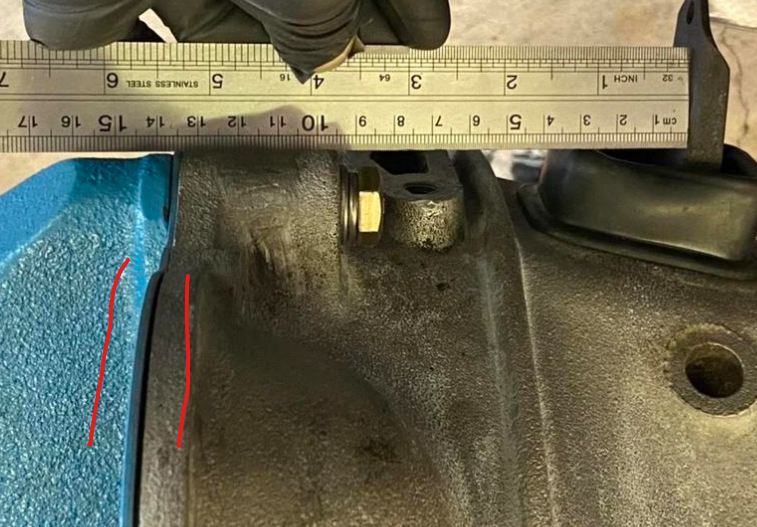
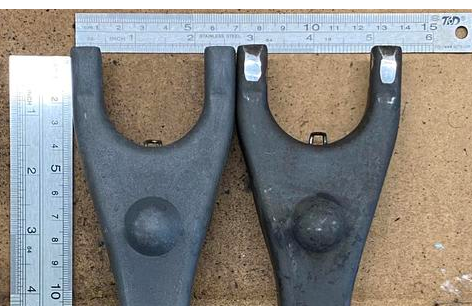
-
I'd use the newer fork myself. The pressure plate and slave cylinder and throwout bearing/sleeve/collar will be designed for the newer fork. The older fork is the one odd piece in your collection of parts. The pivot ball looks in good shape. The one you showed is an odd style I haven't seen before. Might be an aftermarket part. Plus the wear on the old fork will lose a little bit more travel.
-
One last thing on your pivot ball. Is the washer underneath it? Without the washer it is effectively shorter which would cause some of your problem. You'd lose the thickness of the washer plus the geometry would change slightly. Not much else. Shaving the flywheel would also lose you some, moving the pressure plate away from the pivot ball and throwout bearing. Good luck.
-
Just for reference.

-
Any chance you put the fork on the wrong side of the sleeve ears?

-
It would take super human strength. The hydraulic system transfers the power of your leg on the lever length of the clutch pedal directly to the clutch fork. I can't remember if there's a hydraulic amplification from bore sizes but still, that pedal is pretty long. Never mind this second part, I removed it. I didn't really get what was happening. Looks like you have the tallest sleeve but are getting a lower number. Almost like you have a short pressure plate. Not sure what's going on with your setup. Need to ponder. Do you have any pictures of the pivot ball in the transmission? On the front cover.
-
-
@zcardepot.com Oops. Hopefully, they don't have porch pirates there.

-
https://covidtracking.com/data/charts/us-currently-hospitalized https://covidtracking.com/data/charts https://covidtracking.com/data/charts/daily-cases-and-currently-hospitalized

-
Funny, I never really realized this. The 1978 FSM has both, for reference. I wonder where the extra capacity is. Bigger rear case? Or did they just move the fill hole up to keep the new gears covered.

-
-
Just feeling a theme. It will pass...
-

Important Information
By using this site, you agree to our Privacy Policy and Guidelines. We have placed cookies on your device to help make this website better. You can adjust your cookie settings, otherwise we'll assume you're okay to continue.