AZ-240z
Supporting Member
-
Joined
-
Last visited
Everything posted by AZ-240z
-
Did you check out www.240zrubberparts.com?
-
Qlooks Iike we have a mini-society of original owners gathered here. My original ownership anniversary was 4 days ago. Congrats, Jim, on your faithful stewardship of such a beautiful car for The past 4 & 1/2 decades.
-
Tomohawk, I have a couple of newly yellow plated wire clamps that look like the one pictured by Zedhead. One measures 2 3/4" and the other measures 3 1/4". let me know if these would work for you.
-
The valve cover was not painted from th factory. The finish was a dull, grainy, cast, finish. I would look at your SU carb domes, and balance tube if they have not also been polished. In stock condition, they should have the same raw metal, cast finish as well. You may be able to restore the stock finish and appearance by experimenting with media blasting, possibly using glass beading. www.ztherapy.com has some pictures of valve covers that I believe represent the original stock appearance. Hope this helps. Dan
-
Hi Jerry. I've used Mike's decals on my air cleaner with no problems.. i think a good wax and grease remover product should take care of the pealing issue you are having. Make sure you place your decals on the flat surface as decals don't do well covering compound curves which will cause the edge to pucker. Dan
-
Looks like mine which I know to be correct. There should be the number 4 embossed on The head of the weld-in machine screw.
-
87mj, here are some more info which may be of help, and just interesting reading. http://www.classiczcars.com/topic/47879-carpet-snaps-source-for-footwell/?hl=%2Boriginal+%2Bcarpet+%2Bjute#entry435409 http://www.classiczcars.com/topic/8002-original-jute-material/page-1?hl= original carpet jute See item #4 in the second item shown above. It gives a good picture of the velco solution I mentioned. If you are interested in correct originality, Kats offerings are some of the best on this forum. Dan
-
To add to what Chuck said, above, you will need to see if the male snaps are still on the firewall insulator. If so, you will need the carpet snap fasteners to put on your new carpet. Here is a possible source for those. http://www.newportupholstery.com/auto_hardware.htm As for the metal tabs at the aft end of the footwells in front of each seat, you will need to make about 2" slits, do not cut loops, in the appropriate places to accommodate the metal tabs. And finally, if the replacement carpet edges are surge bound with thread, you will need to find someone with a commercial surging machine to surge bind the edges of the slits as you would a button hole on a shirt. If the replacement carpet is bound with vinyl, just bind the edges of the slits with vinyl using the same technique as the outer edges of the carpet. If you do a search, you may also find that some years of the 240z used squares of velcro sewn to the carpet and glued to the floor. If I find some examples I will add to this thread Best of luck. Dan
-
Thanks for the compliments, Jim. I also got much of my inspiration by following all of the fine work Kats did on his car. He is a master at illustrating, with words and pictures, the definition of originality. Great photo, Jim, and your car looks really nice. Looks like the ol' Red Blob, if proven to be correct for my car, is next. To find the right shade of red, I noticed that the left front suspension spring has A blue and red identifying paint mark and the right spring has just a blue paint mark, all which identify spring type and position. So you could then say, if this is correct, this may be the shade of red to use. The red blob may identify the type, ie., A-transmission. Looking at discussions started by Arne about the red blob, others have also found a red "L" shaped mark on the lower right side of the bell housing which could mean something like "meant for left hand drive". Conjecture yet to be explained. Dan
-
I just knew you were going to see, and say that. I agree, but it goes so much against a neat freaks nature. Time for further experimentation! As for the red paint mark on the tranny, that's a whole new project, ie., correct color, placement, drips, runs, etc. Thanks guys
-
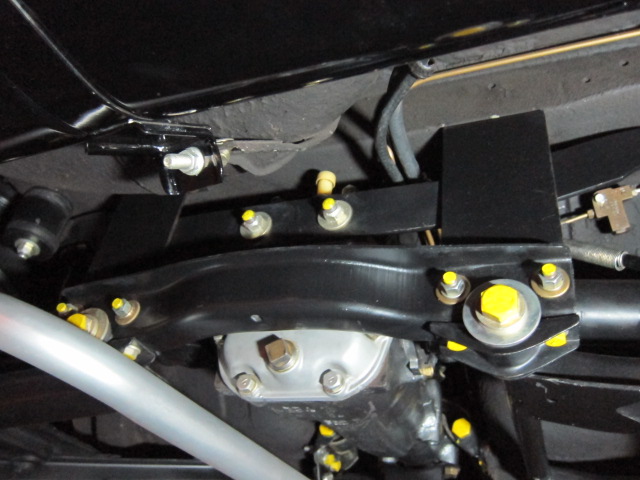
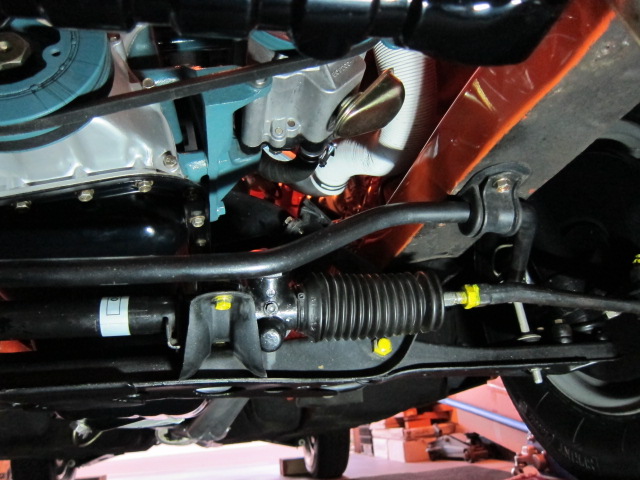
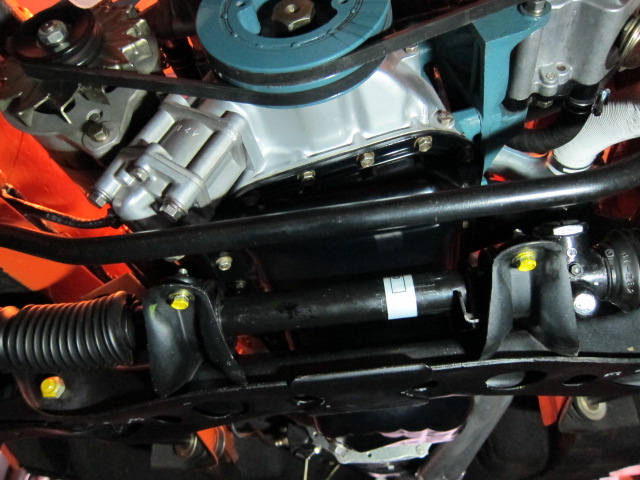
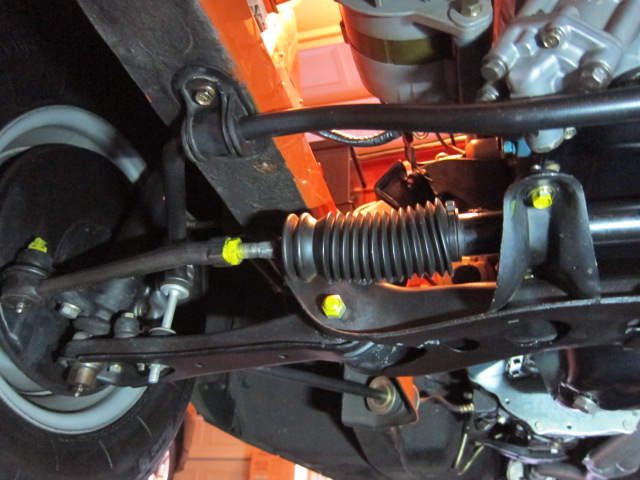
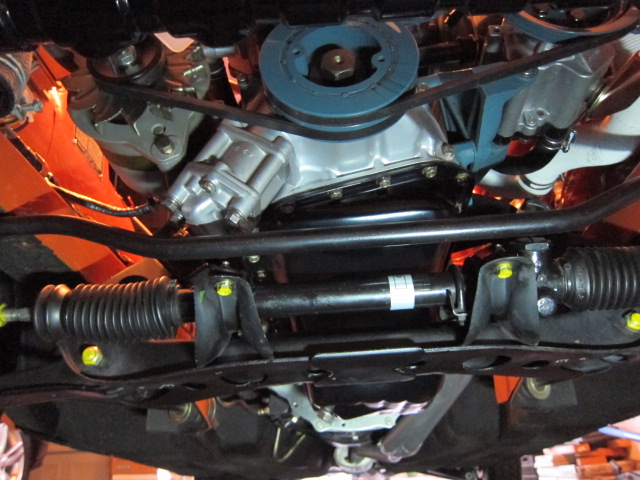
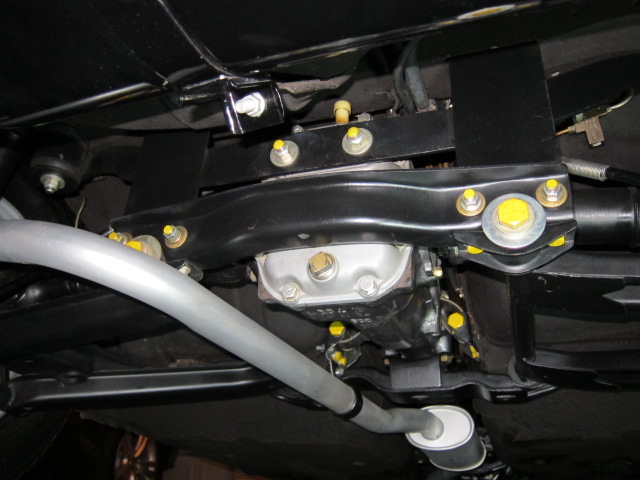
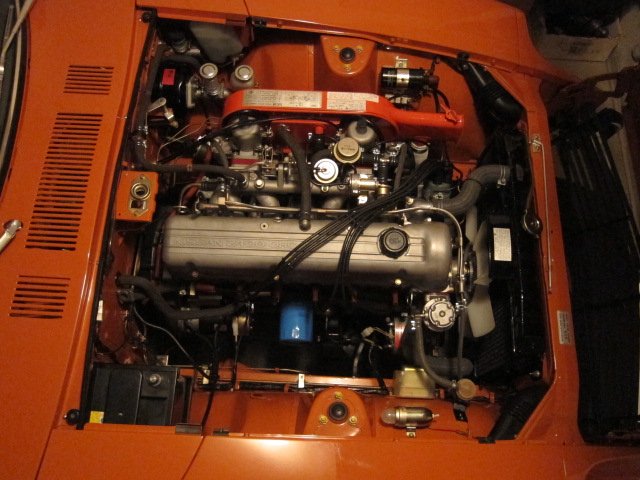
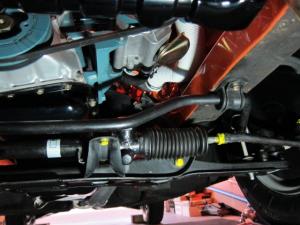
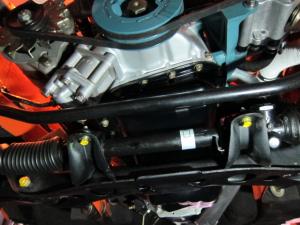
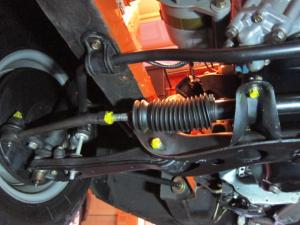
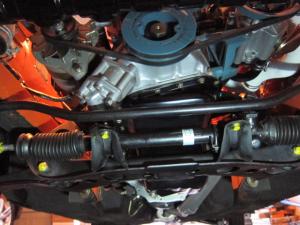
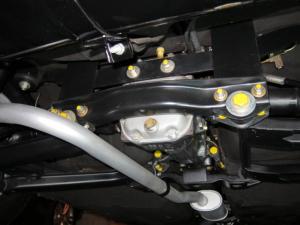
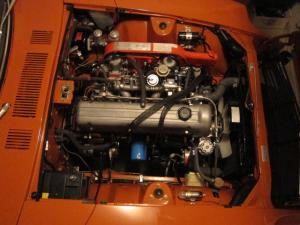
Thanks to everyone who helped out with all of the reference pictures. I finally took the plunge and started to do some of the yellow inspection markings to see if I wanted to go down that road. Here are some pictures and your comments are welcome-too much/over the trop?

-
Thanks, Ian. Dan
-
Mike, nice early '69/'70 decal. I have never seen one that nice, and would have been tempted to repro that one as well as the later decal. Dan Again, apologies to Ken for the continuing hi-jack but hope the cowl pads do the trick!
-
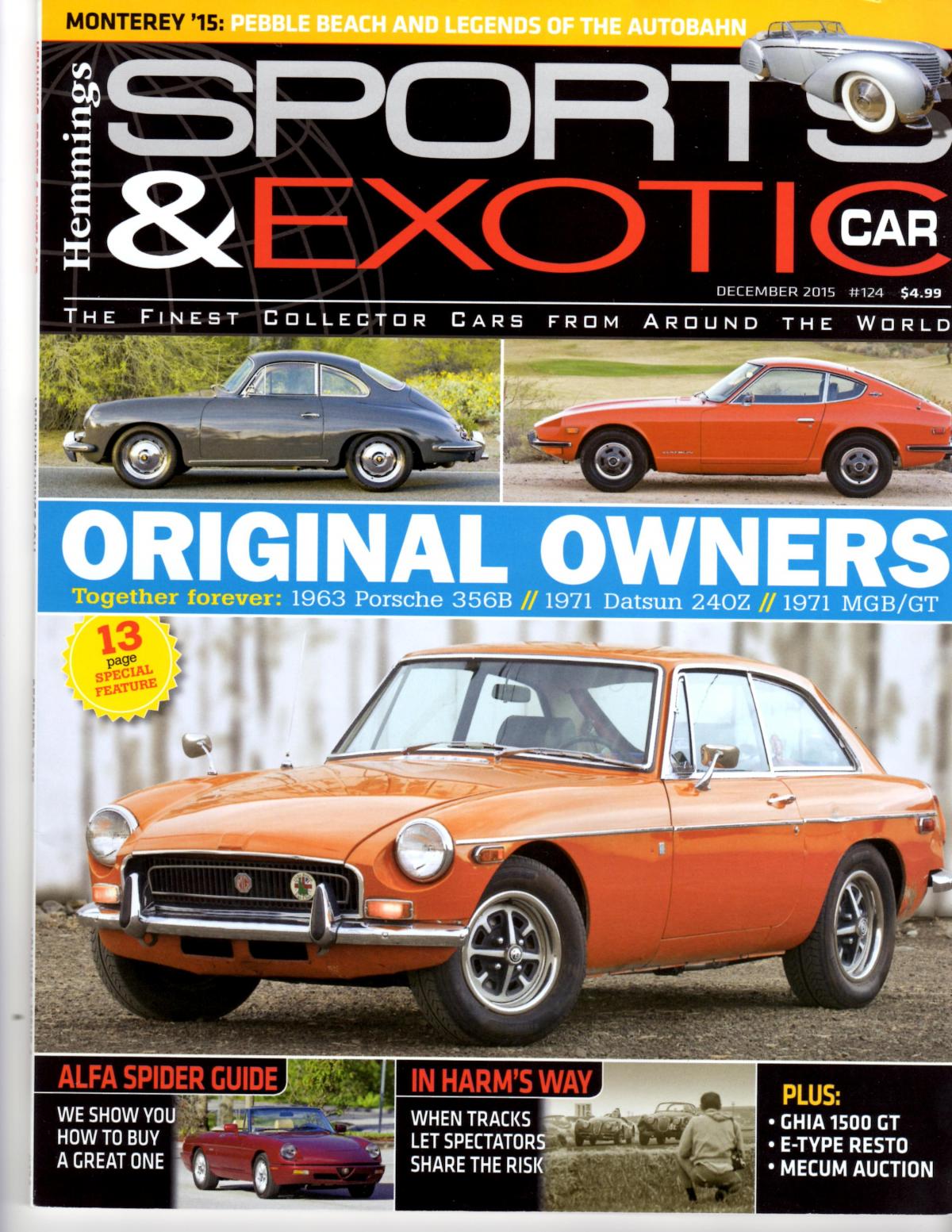
Well, since you asked, my car has a cover story in the December issue of Hemmings Sports & Exotic Car magazine.

-
Mike, thanks for the great supporting pictures. Like I said, this old guy is just as sharp as ever, chuckle, chuckle! Is that my decal you have on your master vac, Mike, or is it the original one? Dan
-
I'm going to try and fumble my way through this explanation, so bear with me. The top cowl is refered to as the "grill-cowl top". The struction under this is called the "assy- cowl top outer". This "assy-cowl top outer" has a couple of landings, for need of a better term, one at each end on which the "grill-cowl top" rests. It's been many years since I first removed the original "grill-cowl top" when a tree branch fell on it and needed to be replaced. As I recall, those landings each had a ,probably, closed cell hard foam rubber pad attached for the "grill-cowl top" to rest on. I couldn't tell you the thickness of these pads but they were probably about 1/4 to 3/8 inchs thick. I got the terminology used in this explanation from the club "Z-Car CD ROM". I'm hoping that there are others who can help either confirm or refute my recall on this, so please chime in. If you don't have these pads for your cowl to rest on, this may explain why your cowl sits slightly lower than your fenders. Let me know what you think. Dan
-
Good pictures, Chris! Especially the "Gigglishous" oil pan overspray.
-
I think "Blue's" answers are exactly correct concerning the assembly line marks. This is just my opinion, but I would say that the original oil pan color Is about 80% gloss black. In contrast, the gas tank was close to 100% gloss black. I thought about trying to duplicate the blue engine overspray, but I couldn't find enough pictorial evidence showing The correct locations of overspray to determine how it was possibly applied. Dan
-
Thanks, Mike. More good examples to archive. As demonstrated in your pictures, the challenge will not only mark the correct locations, but to emulate the technique used. The daubs of paint were applied in a purposeful, yet timely manner with attention to neatness secondary as the car traveled down the assembly line. Dan
-
Blue, more great pictures. Much appreciated. I spent time on this board a number of years ago defining the paint marks on springs with member Carl Beck. Carl had, through Courtesy Nissan, arranged for the reproduction of a number of set of springs and your pictures reinforce what Carl had found as to the correct paint marks. Dan
-
Chris, thanks for the pics of both your car and a car done by Mike McGinnis. I have talked with Mike (caught him at a busytime under a car) and asked him if he had mapped out all of these yellow production marks. I'll get back to him on any specific marks when he has more time, but he did indicate there were variations as to the location of these yellow marks with no definitive mapping. Your pictures are very important as they not only convey the location, but how they were applied with obvious disregard as to neatness. The smear of paint likely not only hit the targeted fastener, but also surrounding structures. Dan
-
I've been trying to gather picture data of the original factory paint marks used during the assembly process. Using the search function, i guess I may not be identifying correctly what I am looking for. Has anyone mapped out all of the yellow splotches of paint used during the assembly of a 240z, or have pictures of survivor cars which depict the location of said yellow assembly marks? Thanks for any help from a helplessly addicted originality GEEK!
-
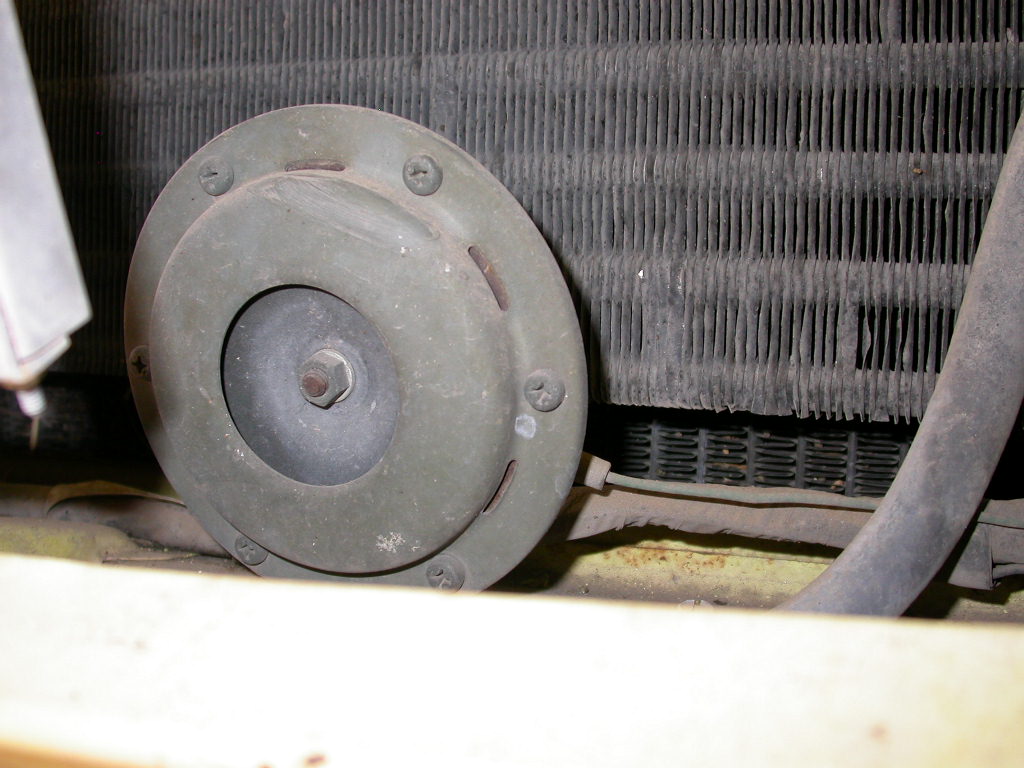
Jim, I have contacted Nikkibid on behalf of this discussion as I had previously purchased this horn kit from him. He said he no longer offers this hardware and gasket kit. He frequently offers products on eBay and I highly recommend him and whatever he sells. Dan
-
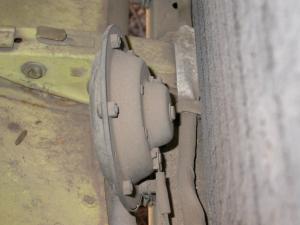
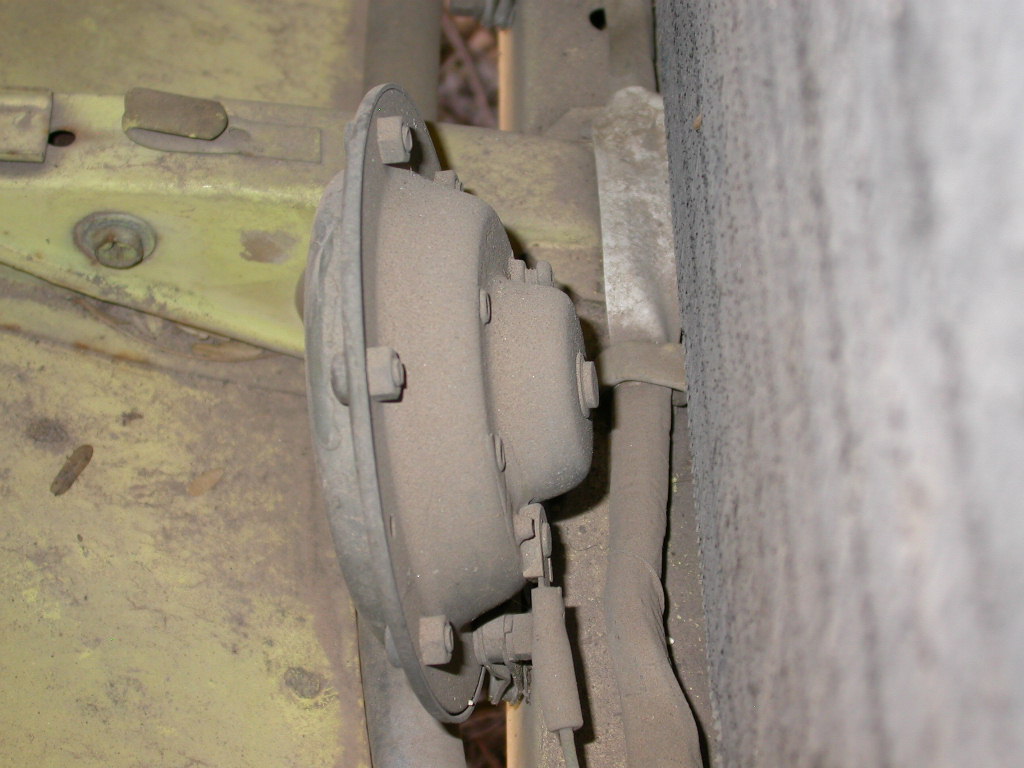
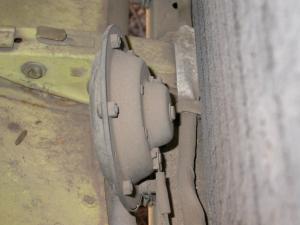
These were the two pictures that I had used. Dan

-
Here is another picture that shows the back of the horn. Granted, it is difficult to tell if the finish is natural, but I have seen many other survivors that had a natural rear cover.