kats
Community Member
-
Joined
-
Last visited
Everything posted by kats
-
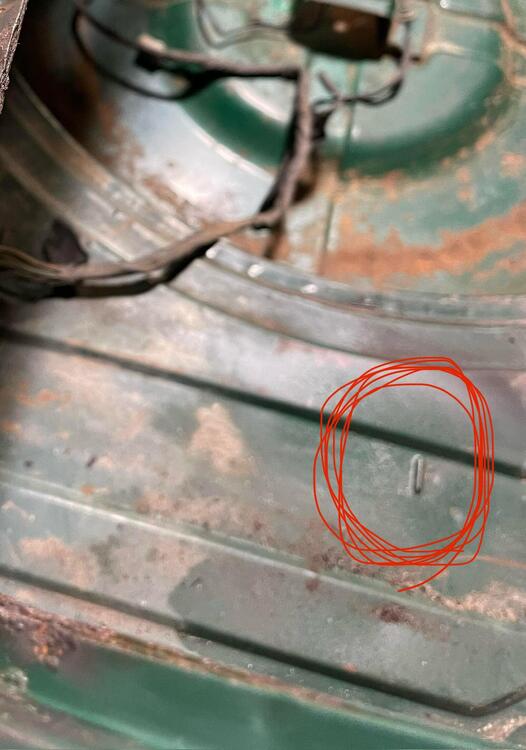
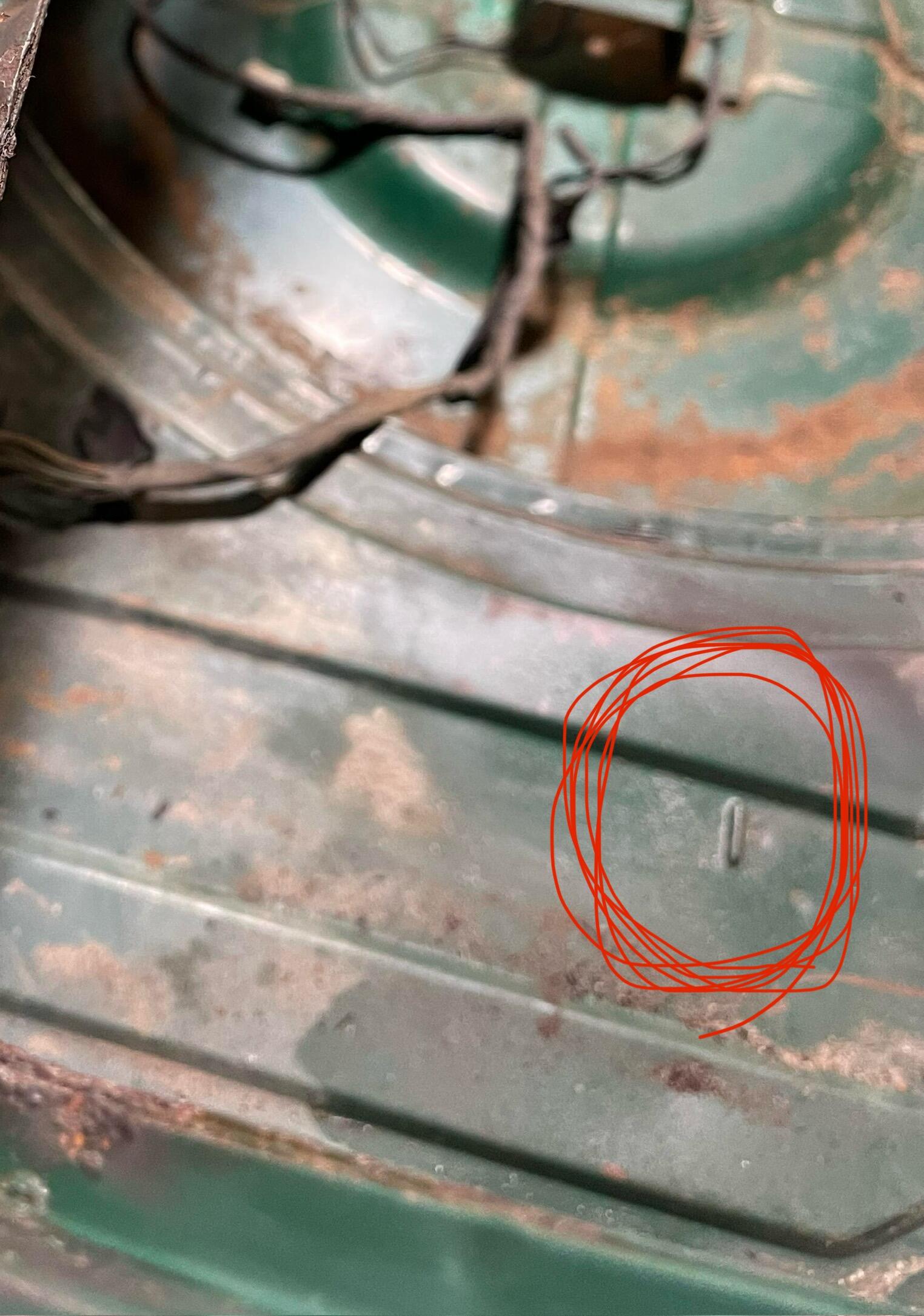
Wow!! I really like your green 1969 240Z. Thanks for sharing a lot of pictures. A tiny dent caught my eyes, which is on the rear deck floor, near the frame rib. The dent was pushed upward from underneath of the floor, that is a good sign of the super early cars. I don’t know why, the later dent was pushed down from above the floor. This is true for all the other dents in the rear deck floor and maybe for the firewall. I have been talking about this with an enthusiast Chris in Netherlands. He has been doing extensive work for his a lot of 1969 240Z. This leads me my curiosity about “which model is earlier than others in 1969.” I am not talking about the Nissan official report of the first 14 cars strats from S30-00001. I am talking about cars like made in October, November, December. HLS30-00051, HS30-00051, PS30-00051, S30-00051. I guess they would be like this (starting with the earliest) S30-00051, HLS30-00051, PS30-00051,HS30-00051. We don’t argue about HS30-00051 is a 1970 made. But other three are fun to discuss. (I know most of the people are not interested in talking about S30 and PS30) Anyway, PS30-00051 was not made in October like S30-00051 and HLS30-00051. I don’t know why, looks like Z432 was taking a rest for a while in October then re- engaged in the assembly line in November or even December. We can tell it by the dents on the floor. Even PS30-00028 is not made so early. I would say not in October. According to the data from NIPPON JIDOUSYA KOGYO KAI, 72cars were made as Z432(including Z432-R) in 1969. Most of them would have been made in November or December. Do you remember Nissan Shatai reduced production of export models (DATSUN 240Z) in December? I would guess it could be because of the test reports from the team ‘test ride in US & CANADA’. They reported steering kick back and rear axle vibrations. Nissan Shatai would have decided to make more PS30 cars in December instead of export models. Kats
-
Hi, I didn’t know there is a tab! It is interesting. I want to check it if some proper early cars are in the middle of restoration in progress, but it is very hard to see those super early cars in person. So we get together here, I will wait someone shows up and posts pictures of the tab in question. Kats
-
Japanese People don’t care about cars which were sold outside of Japan. My US 240Z has never been invented to Nostalgic Hero magazine. I know some people still think it is a fake of S30. The average sales price is backing up what I am saying. A Fairlady-Z 2/2 is now pricing double or triple of an US 240Z. Am I sad looking at those things? Maybe. But anyway I have my beautiful US 240Z which makes me so proud. People living in overseas don’t care about Japanese Fairlady Z cars. I have seen a lot of people don’t like G-nose because simply it looks ugly to them. Also people don’t like 2- liters cars, Z432 is not an exception. People don’t need information because they don’t use it for their cars. That is why I am here, and my friends here. I want people to know whole range of our cars. I believe looking into various types of our cars make us fun to enjoy better. Kats
-
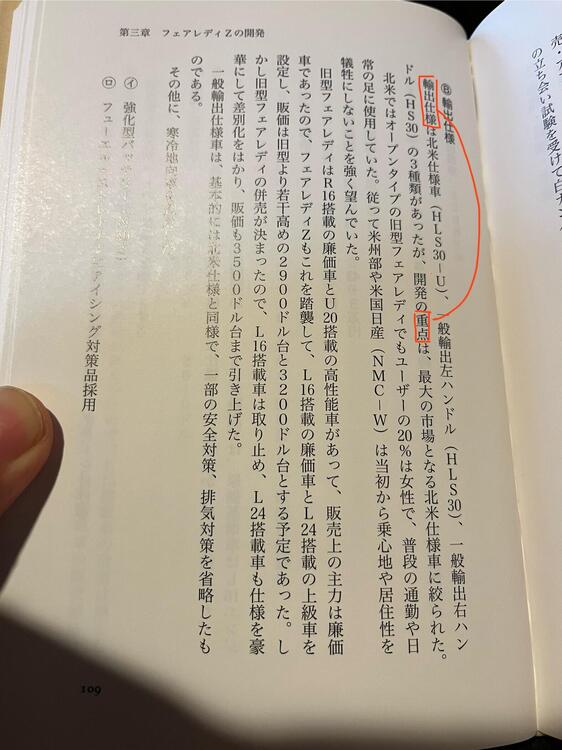
Hi, I would like to share this, Alan made a great post in another thread. I have always wanted people to know why our cars had been going to have a six-cylinder engine at some point in the development process. That was because of S20, Prince oriented way advanced technology for the time. One more thing. Uemura san includes a quote of some paragraphs from Teiichi Hara's own book (recommended, BTW). Hara san was manager of the First Design Department at Nissan and Uemura san quotes Hara san because he relates a KEY stage in Nissan's Go/No Go stage of the Maru Z project. Without passing this stage, Nissan's senior management simply would not have given clearance for the engineering and styling work to proceed. What was the deciding factor? The deciding factor was the inclusion of the road-going version of the Prince GR8 twin cam engine (the Nissan S20 two litre 24v twin cam six) as an option in the engineering and styling of the Maru Z project. Hara san described this as "A complete victory". Without it, they would not have got the go-ahead for the whole family of variants. It is a very revealing anecdote, the kind that automotive journalists and marque/model scholars set great store by. Thanks Alan! Kats
-
I want to explain what Uemura san is saying about our cars but I can’t do it in English. Motomura san did great job and he is the perfect interpreter for the book but no one can tell better than Uemura san does. With my poor English skills, but I can see some words need to have deeper additional explanation for English speakers to understand as much as what Uemura san originally intended. Kats
-
Hi Alan, I read it just like you read. Japanese people write it like that and read it like that. Kats
-
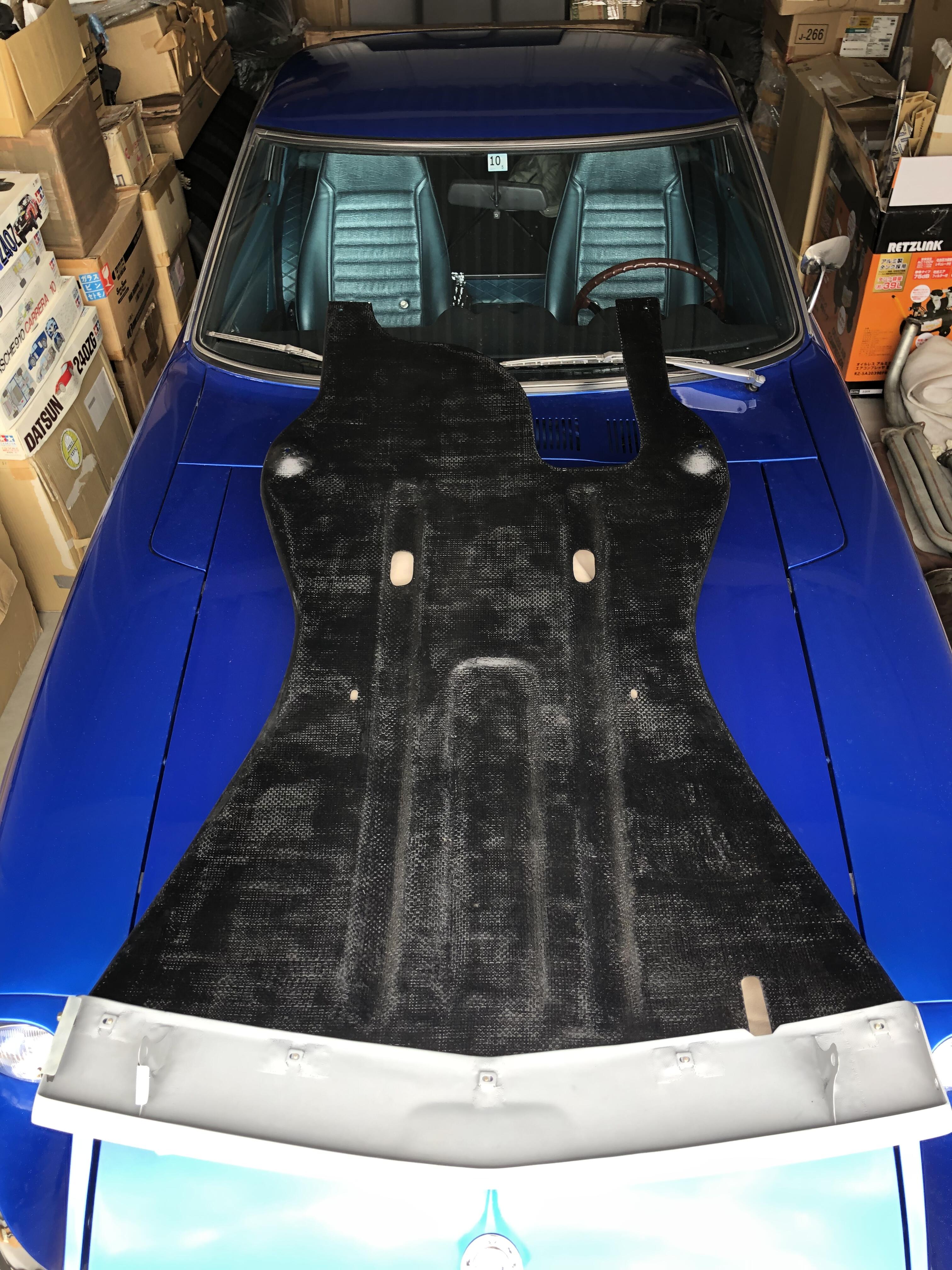
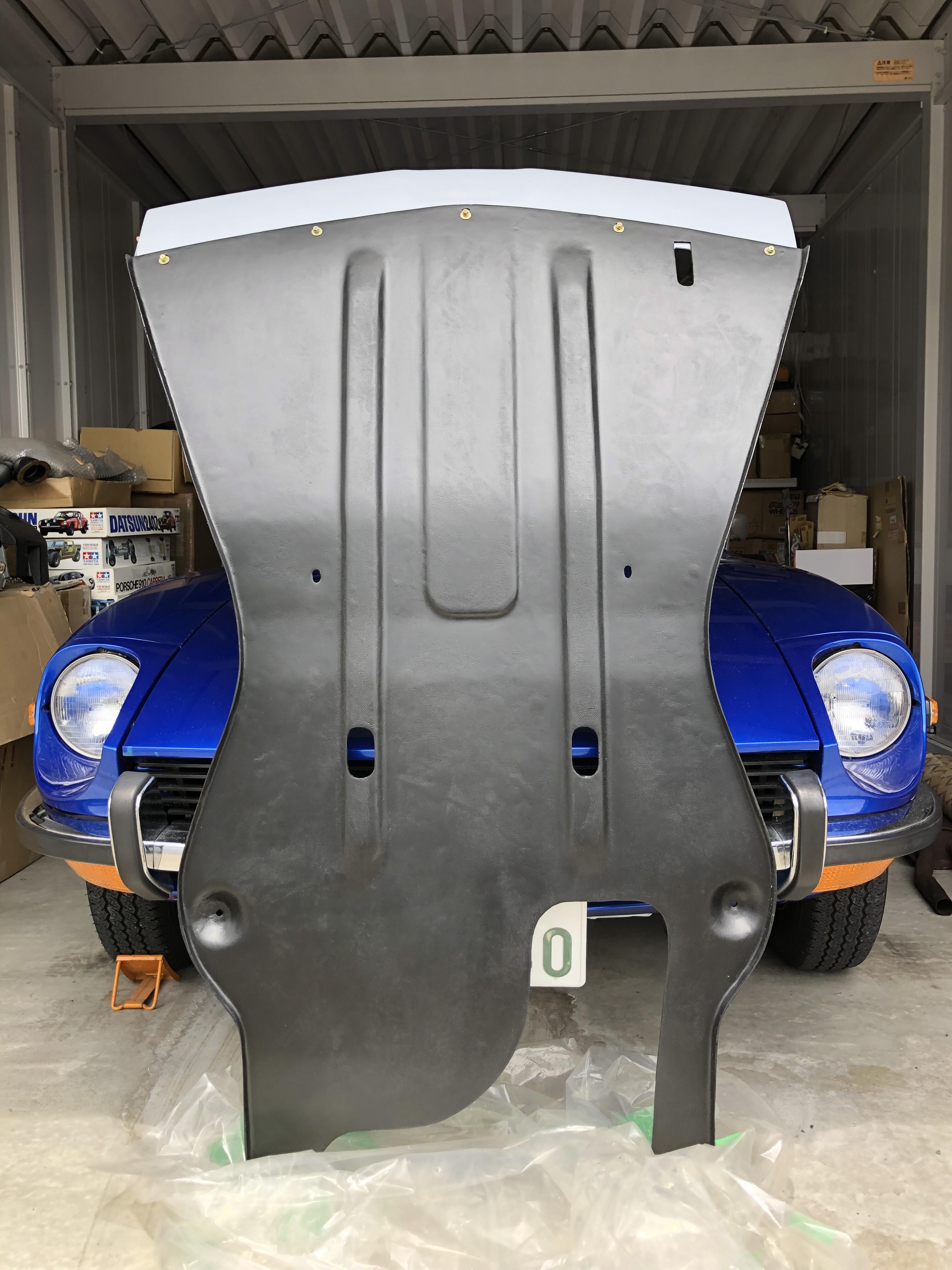
Hi, I am always enjoying reading this thread, thank you so much. Today I have a question about an air intake system of those works rally cars. Maybe for Safari cars, not for your car. An old interview with Mr. Namba and Mr. Wakabayashi they said “Our rally cars are designed sucking air from the cabin. It prevents engines from sucking heavy sand dust or water”. Did that mean works rally cars had ducting system on the firewall acting as a corridor between the cabin and the engine room? Was the engine room sealed enough for isolating it from the outside? And they said “when cars need to across the river, mostly a few seconds, cars have to have ability to go through”. It makes me think the huge duralumin under cover would help the cars float a few seconds over the water, wouldn’t it? Kats
-
I can’t tell “how” with my poor English skill but I am sure we can tell the difference if we have both in hand. I see the difference on the surface of the rubber, it looks different and feels different in touch. But some reproductions are useable without serious problems I think. Kats
-
Congratulations on your hunt! Me too bought the complete set. I wanted to have the series of magazines and the DVD, they are so interesting and rewarding, highly recommended. I am not interested in the model car so I still let all the pieces un opened, properly never will be assembled. Because I have 1/1 cars to play. Kats
-
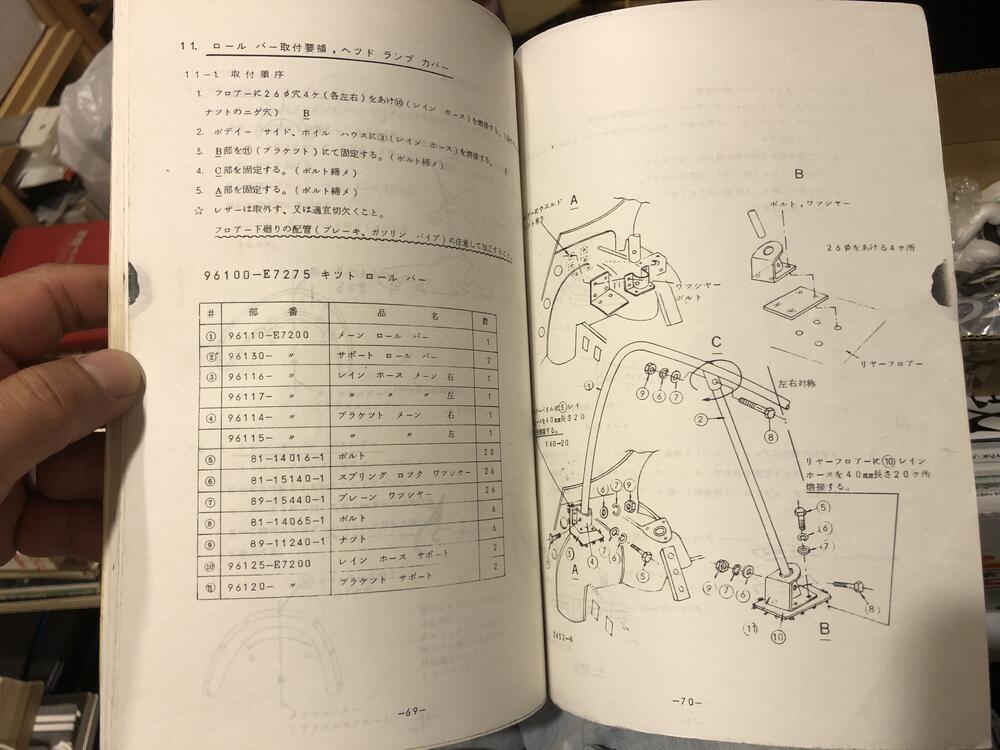
Super fascinating Alan!! I wish I could have either type of roll-bar, it is a long way to achieve it. Thanks for the pictures JDMjunkies.ch and Alan, I am (I am sure we! ) looking forward to seeing the both car when complete. Kats
-
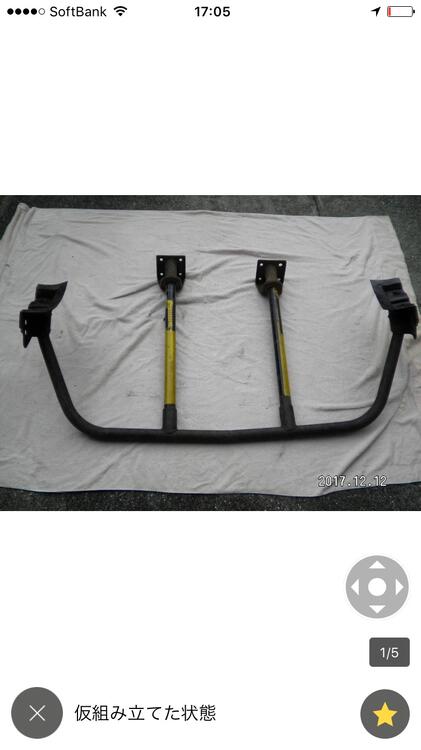
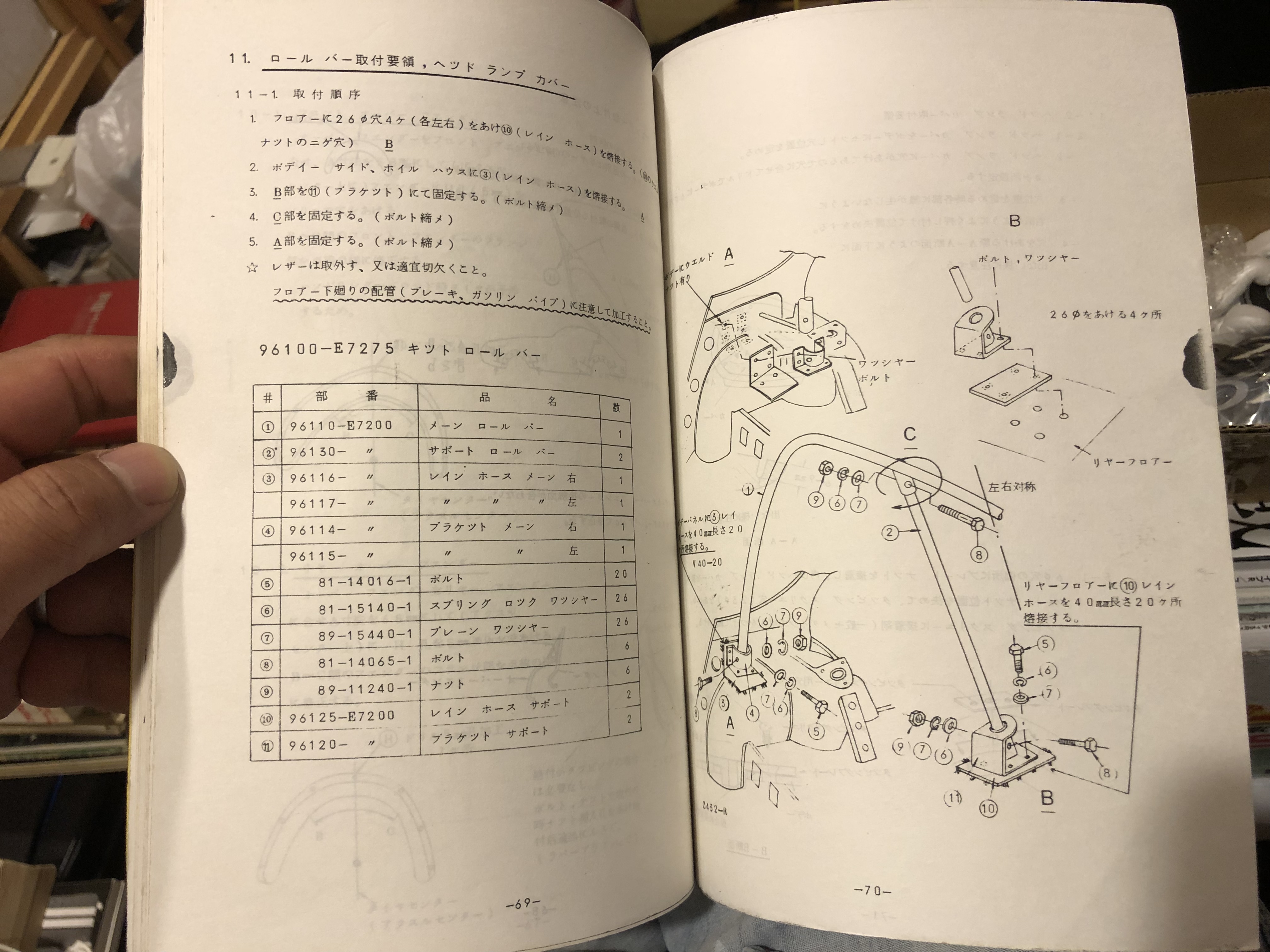
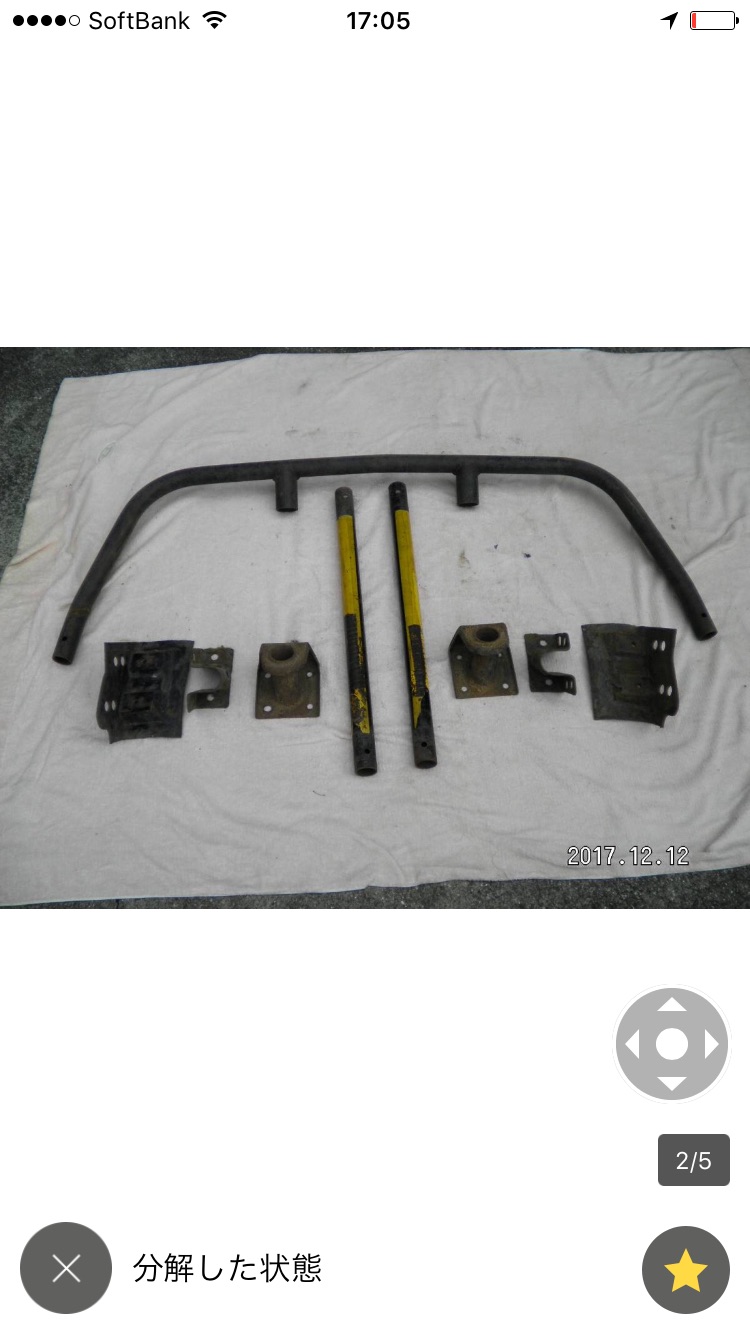
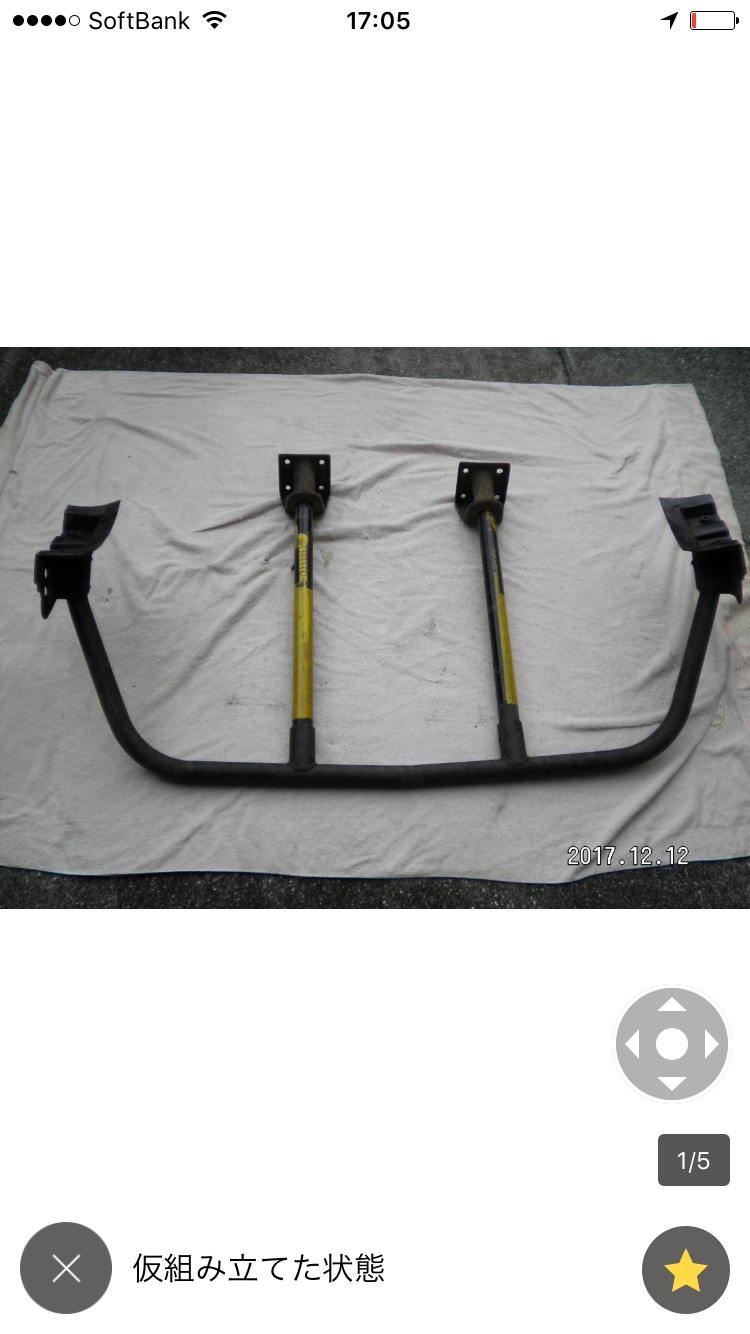
I didn’t know that Mizukami Auto produced such a nice roll-bar! I would like to see it in person if I like to have it in my car. A set of flat plates which is going to be welded on the rear floor as for securing the bottom brackets isn’t not shown, is that included? I attached a picture of genuine roll-bar which was sold on Yahoo auction, I still regret that I didn’t make a bid. Recently I became to know that the seller of the roll-bar was my GTR friend! This original set was also missing a set of flat plates. Maybe it was very difficult to take off the plates from the rear floor. Kats

-
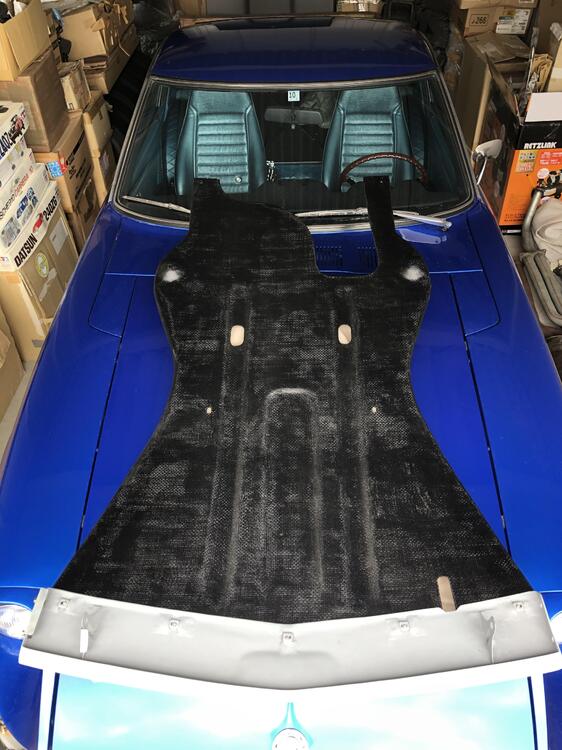
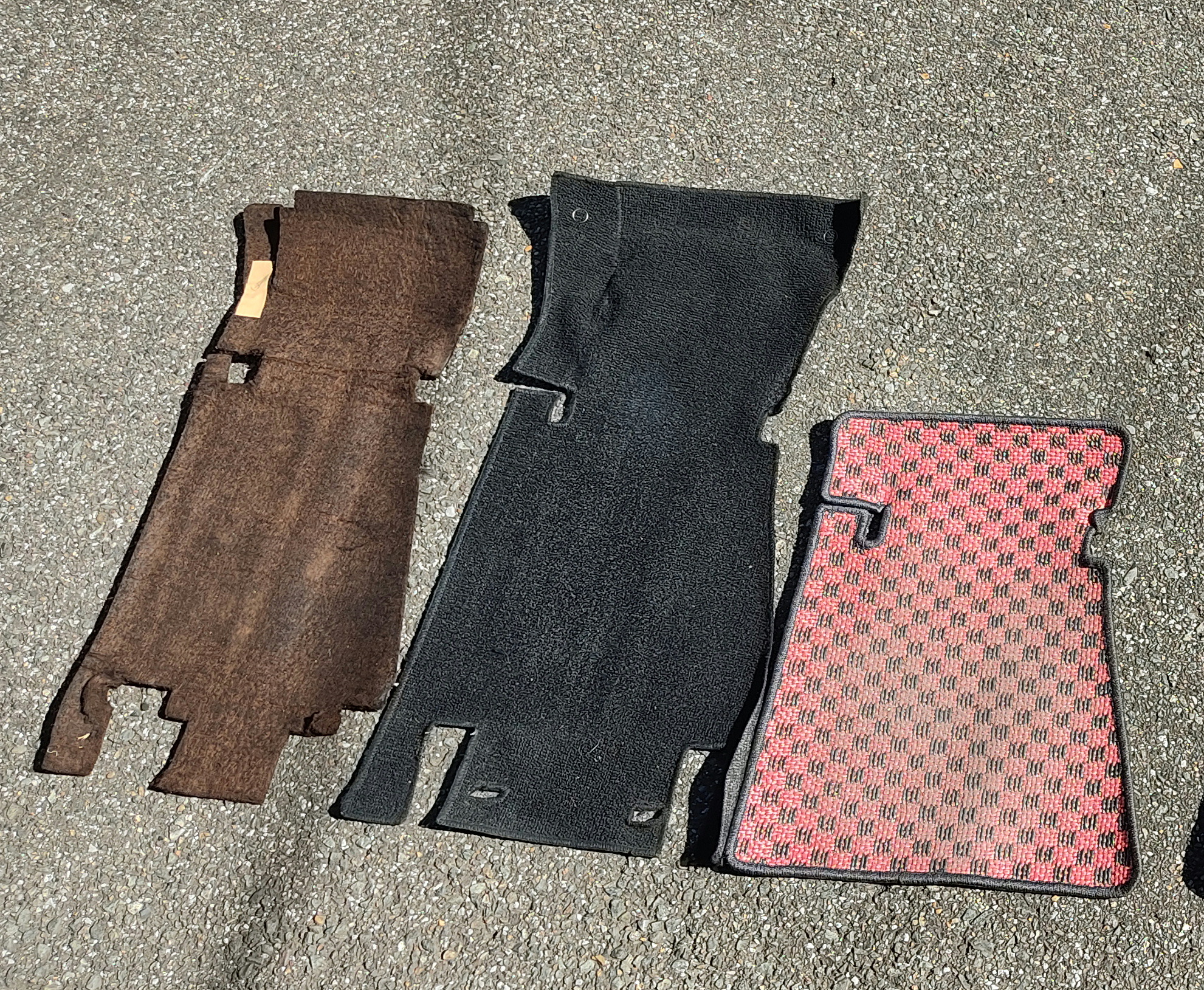
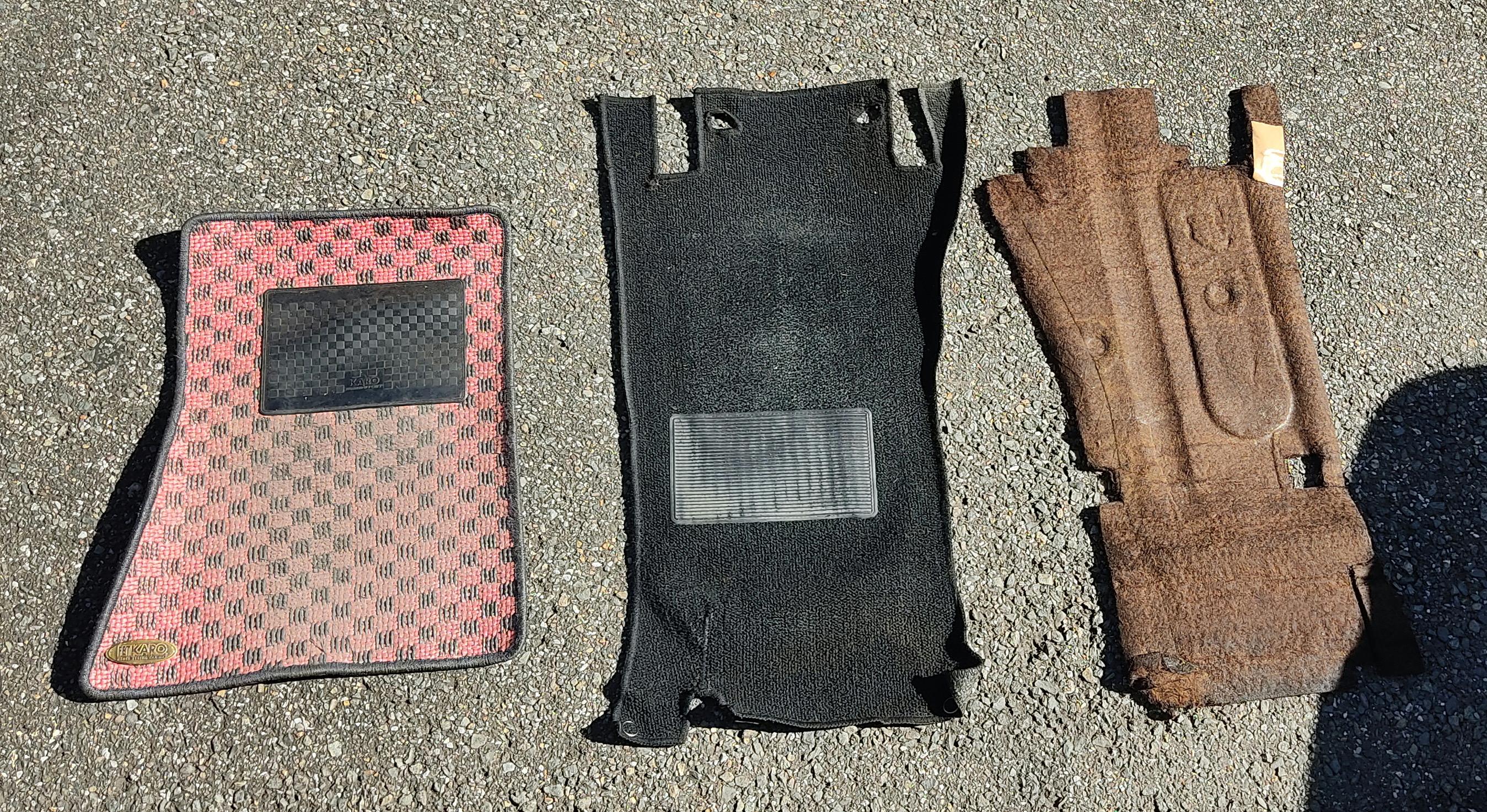
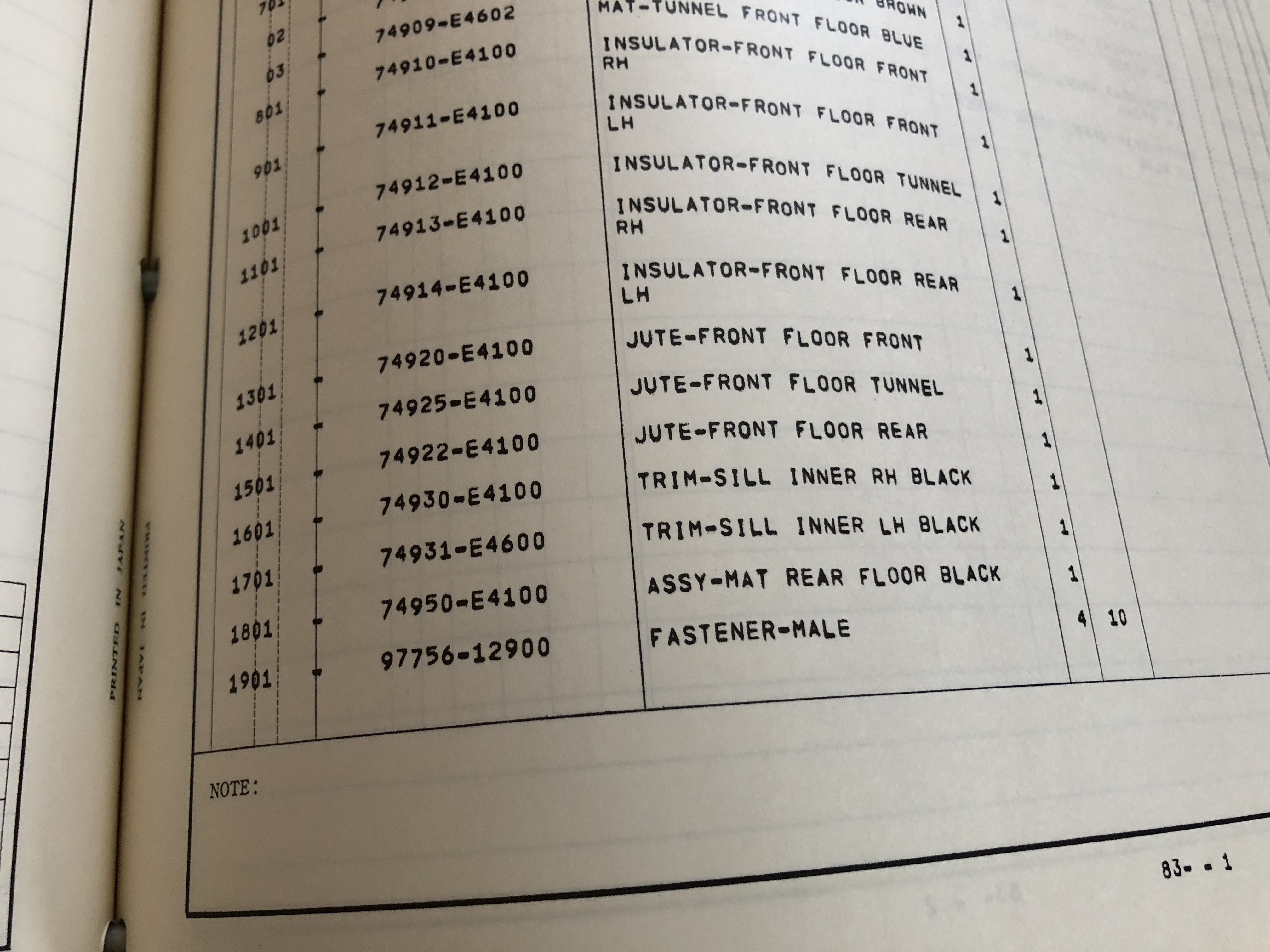
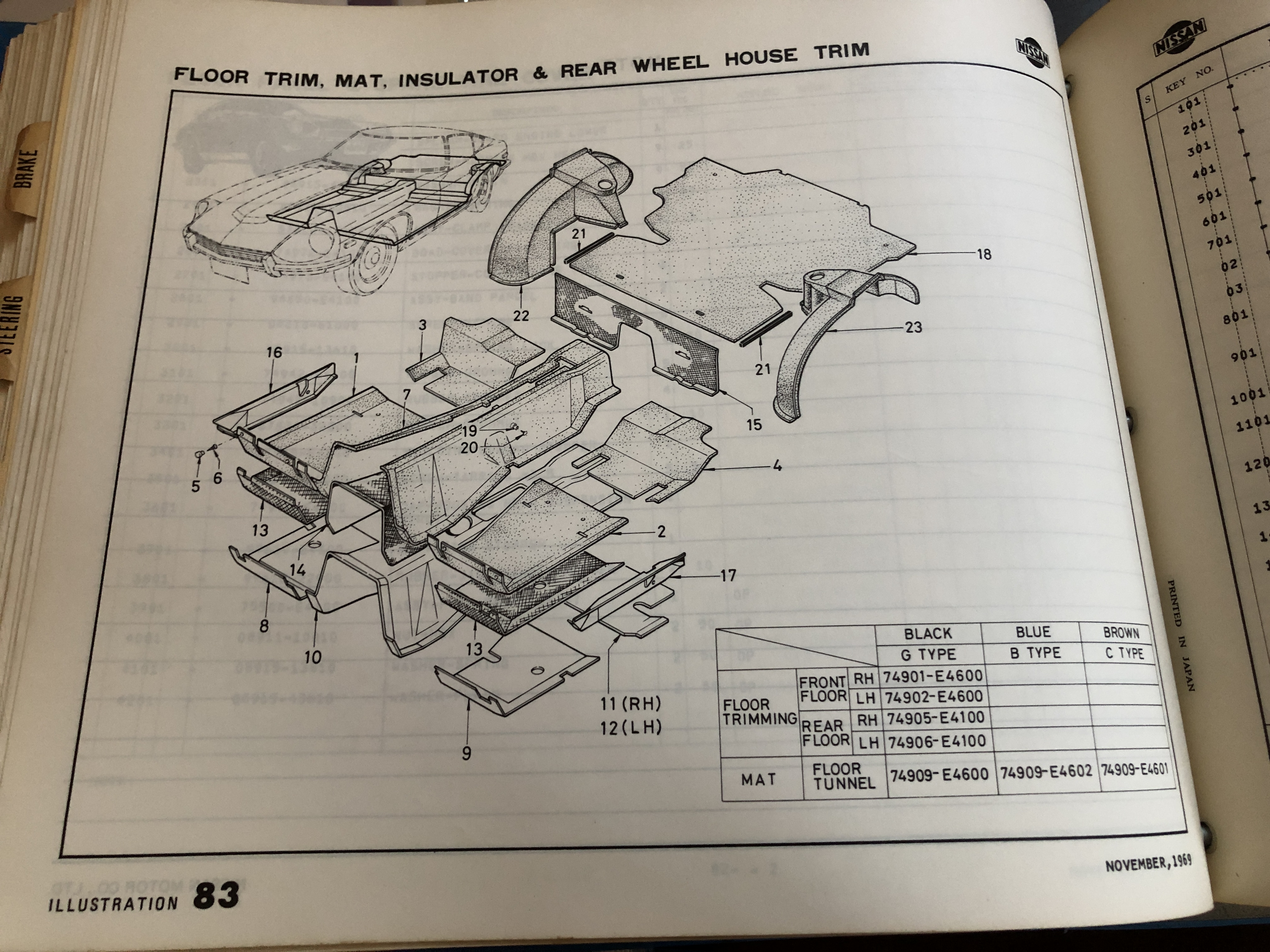
Hi Keith, I am thinking like Patcon. The story of the tailor made carpets might apply to the very early cars like up to January or February 1970. My March 1970 240Z and the BAT ultra mint green April 1970 240Z have the same jute and carpets, especially the jute look just like Japanese S30 cars. I would like to have more examples of them to see how they look like. One thing I am suspicious about is the carpets for cars up to middle of 1970 (or late 1970 or early 1971). The carpets for the US cars looks slightly different in the loop pile material than the ones for the Japanese cars. Now we see the US 1969 cars have different type of loop pile material due to the local shop made them for the early cars. But my 03/1970 and the BAT green 04/1970 both have the same carpets which look like the ones for the US 1969 cars. And also the carpets look different than the ones for the Japanese cars. So could they be the US made in those days? Not even a 1969 car could have the US local made carpets? About the jute pads, I am coming to conclusion that the jute for the US 03/1970 and 04/1970 are the same ones with all the other territories. Kats
-
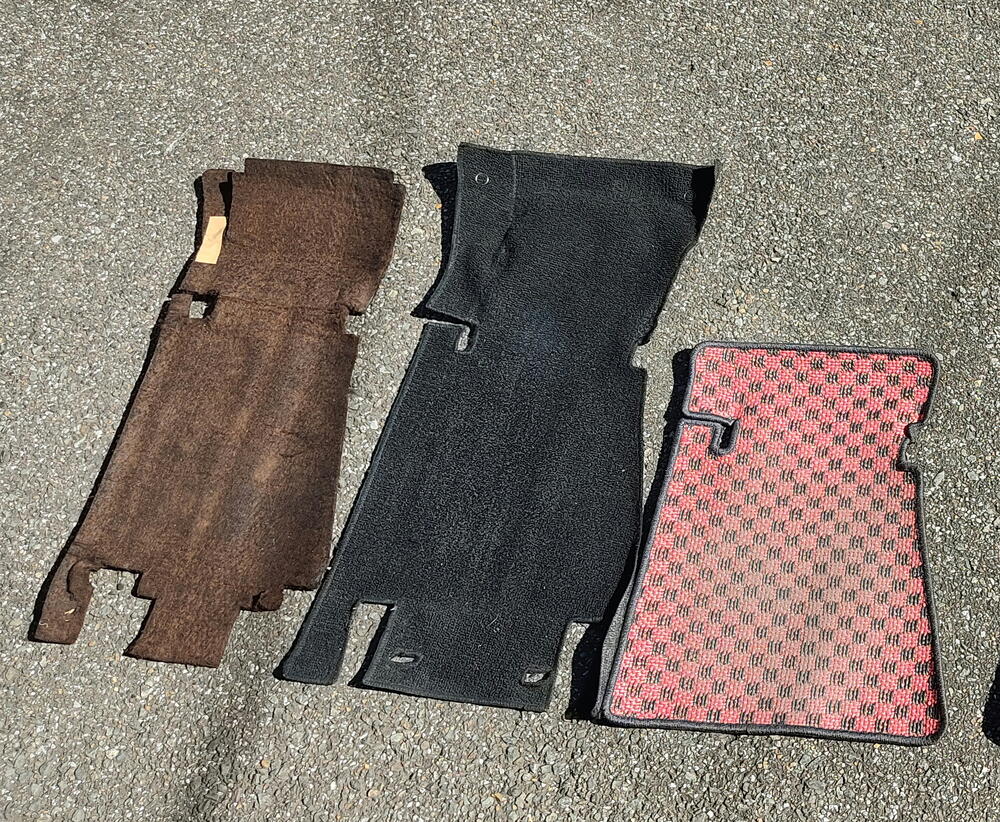
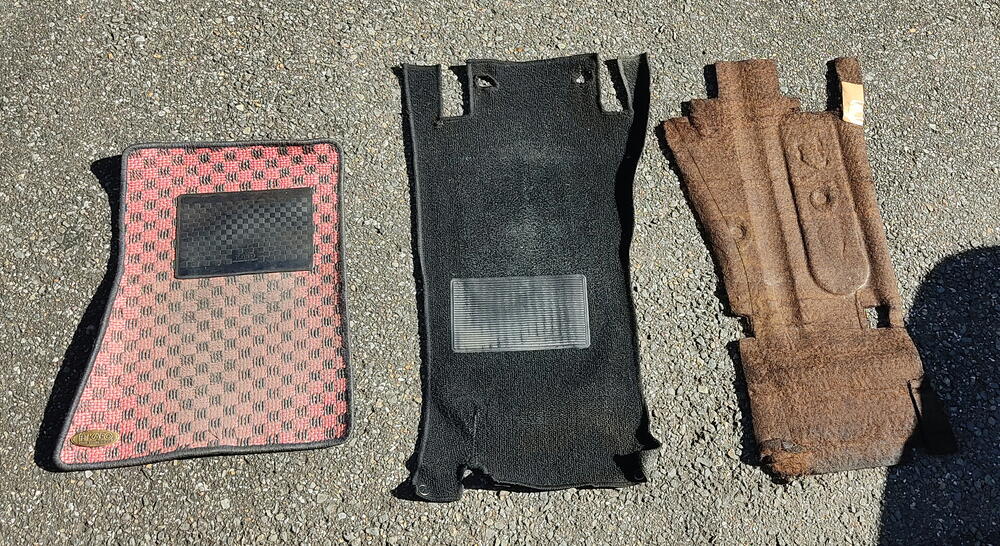
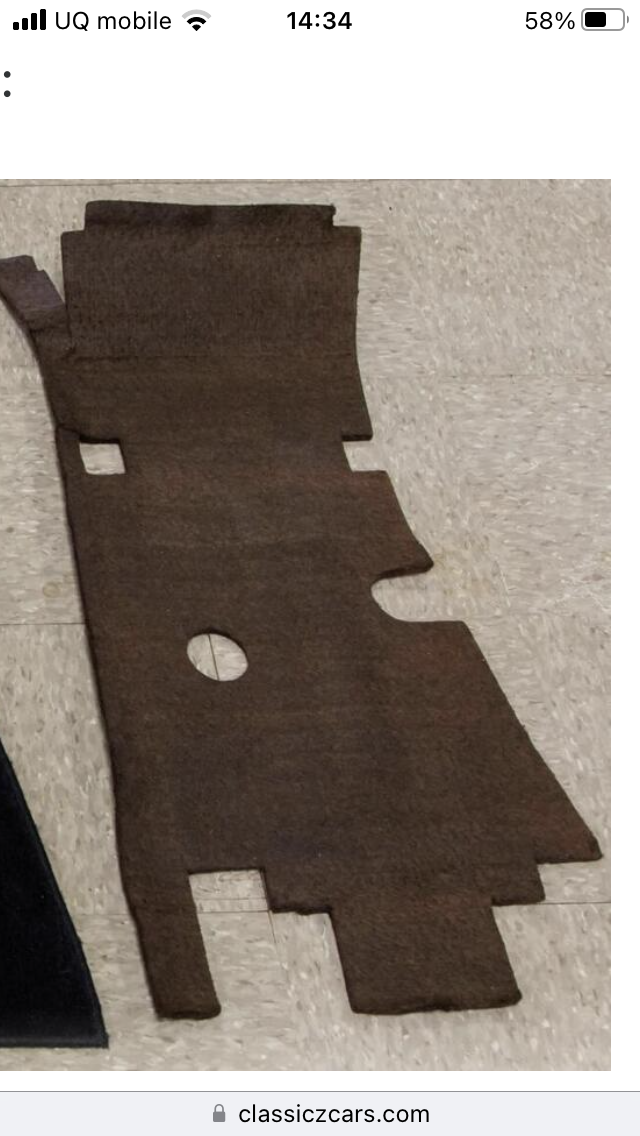
Hi Patcon, was your car made in November or December 1970? If so, this jute is what your car would have. The picture was taken from a December 1970 Z432 owned by Mr. Watanabe. The car still has a set of jute and carpet seemed came with the car from the factory. Now we can say at least on December 1970, the pattern of jute had already changed to the later one which can be seen on 1972 cars. The difference between the two, the early one has cut outs for the drain plugs and the foot rest, and the seat mount brackets. The later one doesn’t have cut outs for the drain plugs. Kats
-
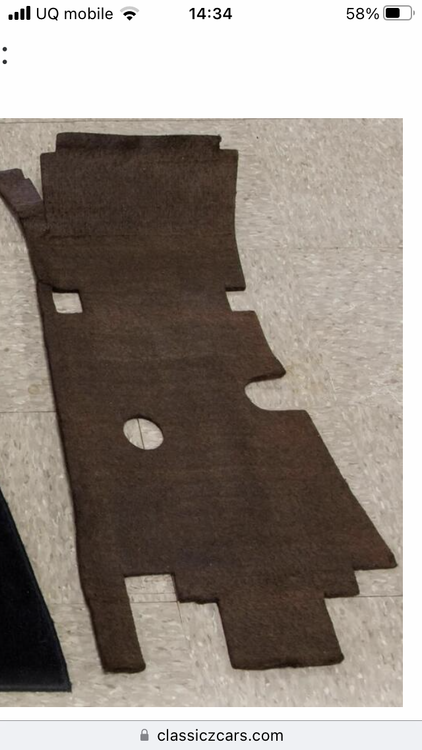
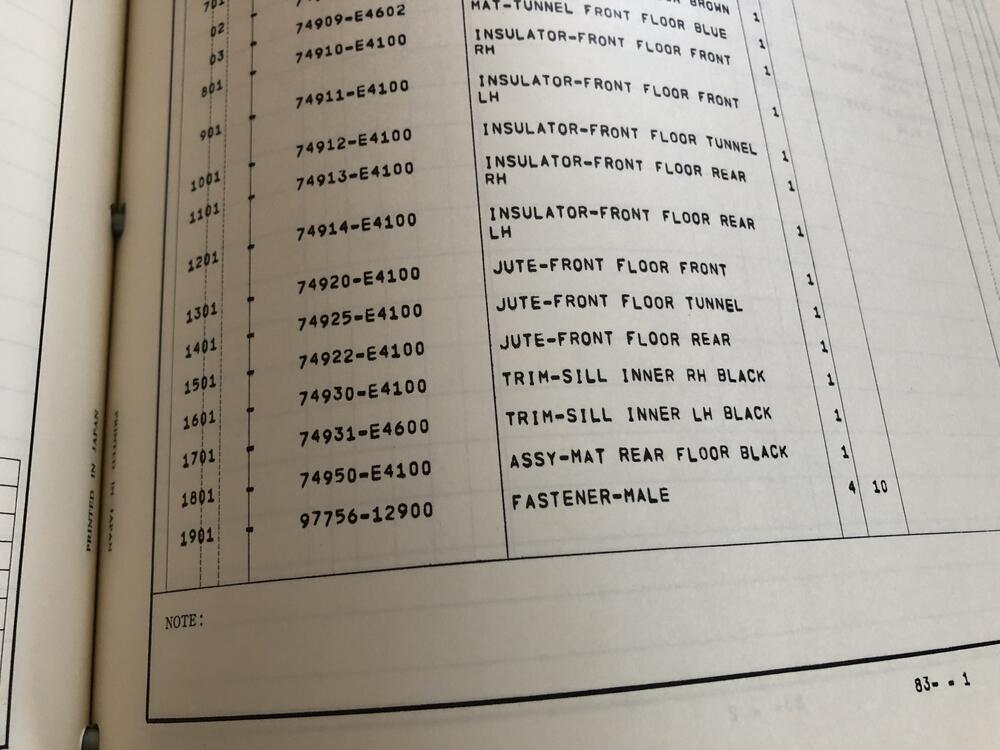
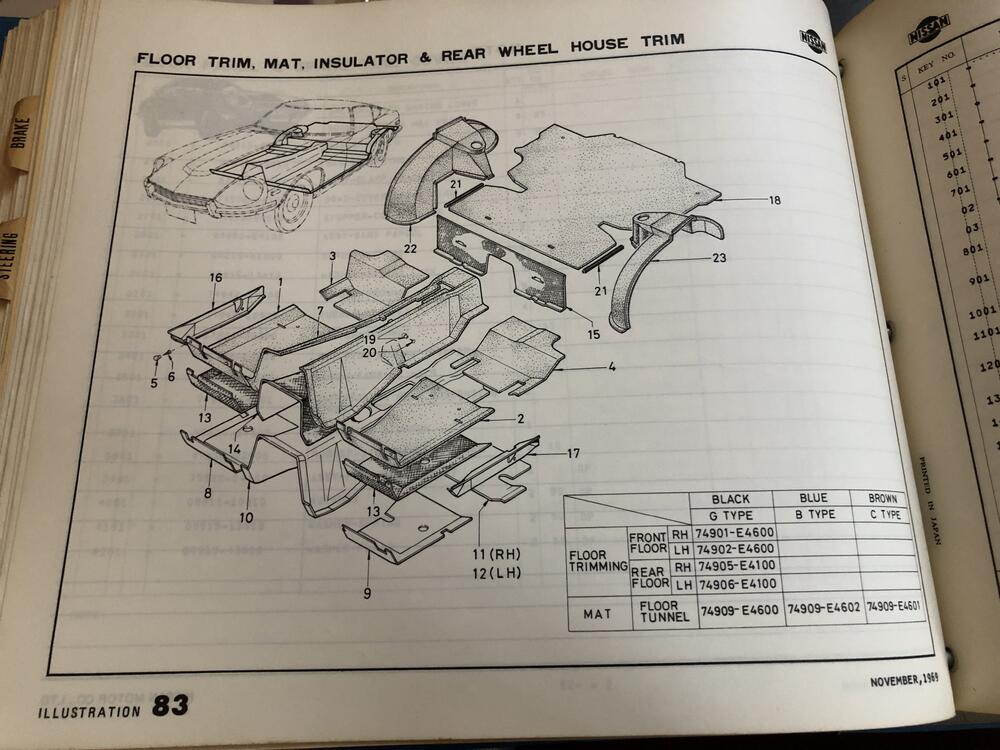
Hi Patcon, I can say I am convinced about the jute for cars up to January or February 1971. Our cars have only one jute for both sides of front floor, for any cars Japanese and all the other destinations. That is why there are cut outs for the seat mounts forward brackets to be utilized for all the destinations. And the shape is the one shown here from the Green BAT 240Z (04/1970). My car HLS30-02146 (03/1970) still has the one on the right side. I can make a template for you Patcon (including rear floor and luggage floor) I will send you papers which I draw. Easy homework for me! Kats
-
Hi Bart, Chris 26th-Z answered to your question, I didn’t know that story when I heard of it here classic Zcar club. And carpeting is always one of my big interest. How did they look like? It is very difficult to find true original, difficult to see good condition originals in person. What I am not clear about is the earliest carpets which were added at the port of entry (dealership ?) in the U.S. Were the carpets made in U.S? Were they exactly the same to the ones which were applied later such as January or February? E4601 is the first number for the carpets for export model (LHD territory), was this number “E4601” for the carpets which was added at the port of entry in the U.S? Or if Nissan would have started to apply new carpets for the export model around January or February etc, were they exactly the same ones for the ones applied to Japanese Fairlady Z series? And were they the ones which got the number E4601 for the first time? I confirmed my 12/1971 North American 240Z and 06/1972 Fairlady 240ZG have the same carpets which were made of the same materials. But I still don’t get it, they have different parts number for each of them for the rear deck carpet which doesn’t seem to be any different. Very confused. Kats
-
Thanks Roo, I don’t see there is a data for the Europe configuration, I mean the data seems didn’t use Europe 240Z (HS30 and HLS30Q etc). Probably the test team used a S30 which has normal suspension set up (basic coil spring rate and length, and normal hight at the front and the rear). And even the engine could have been L20, I will ask these questions to Mr. Miyazaki. Mr. Miyazaki told me that the test team once tried to reduced Cd as possible as they could. Didn’t need to think about production model, just they tried whatever they could. Finally they achieved Cd 0.30 for a basic body configurations. With two people on board, plugged all the holes around the radiator core support, covered the radiator with card boards as much as it was functional, put an air conditioning condenser, fitted much much stiffer coil springs, lowered front end 15mm etc etc. They did many things to the car to keep the car sits lower. From the words of Mr. Miyazaki in mind, I re-check the side profile view of the Salt Flats Racer. The car sits lower than normal, it must be a lot better in Cd than normal Fairlady 240ZG. Kats
-
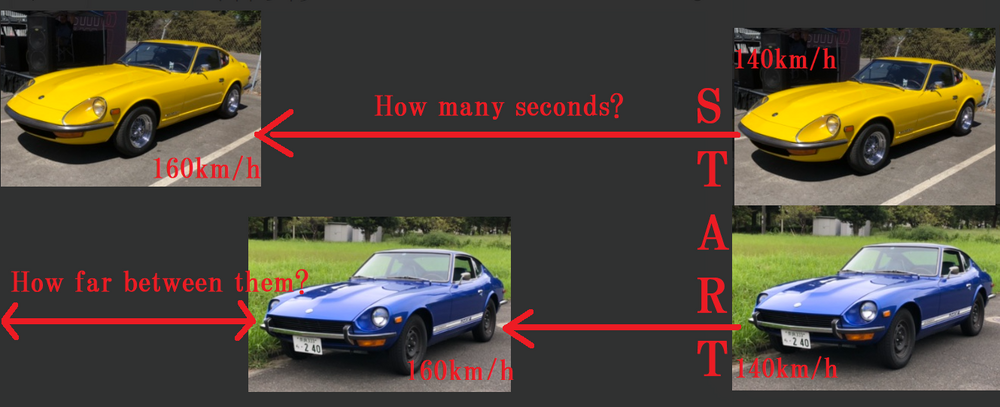
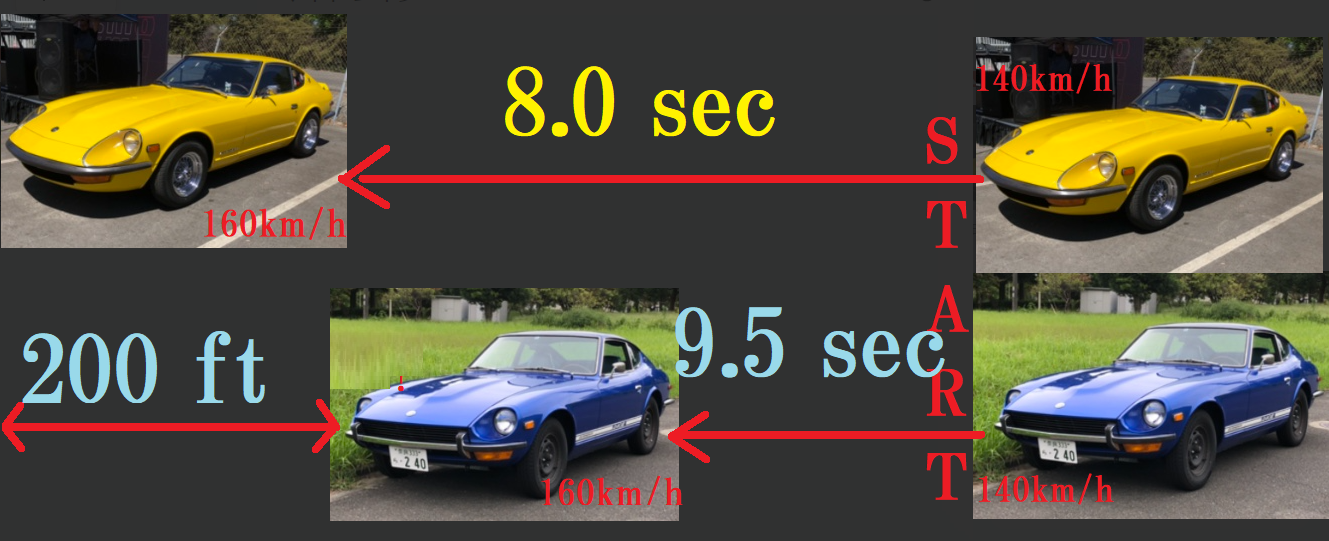
And this is what G-nose performs. Please don't take it seriously my calculations are not accurate. The thesis shows from 140 km/h to 160 km/h, G-nose took 8.0 sec, Basic nose took 9.5 sec. When G-nose reached to 160 km/h, Basic nose was almost 200 ft behind. Does it make sense? Kats

-
Thanks Roo and Alan, The data which Roo showed is exciting for me, I even don't know how to calculate that. This is just A Wild Guess, however I would say Roo's calculation might be something close to "IF" the car had the G-nose. And other cases too, thank you for the calculations. As Alan said, we need to be specific for numbers and units. 150 ps is written in the manual. And the engine performance differs depends on the territory even if the tag says 150 ps. The front end is 15mm lower for Europe model (except Portugees ) will also make certain difference in Cd and Cl. Gearing too, etc etc. Now I am curious about looking back old days, when we were able to buy G-nose from a local Nissan dealership with listed price, would it be the most inexpensive way to get a car faster? Adding 10 mph top speed, 30% more acceleration performance would cost more than just put a G-nose? Fairlady 240Z-L was 1350000 yen, Fairlady 240ZG was 1500000 yen in Oct 1971. The difference is 150000 yen. Now in Japan, you will pay 1 million -2.5 million yen for a complete set of genuine G-nose. Kats
-
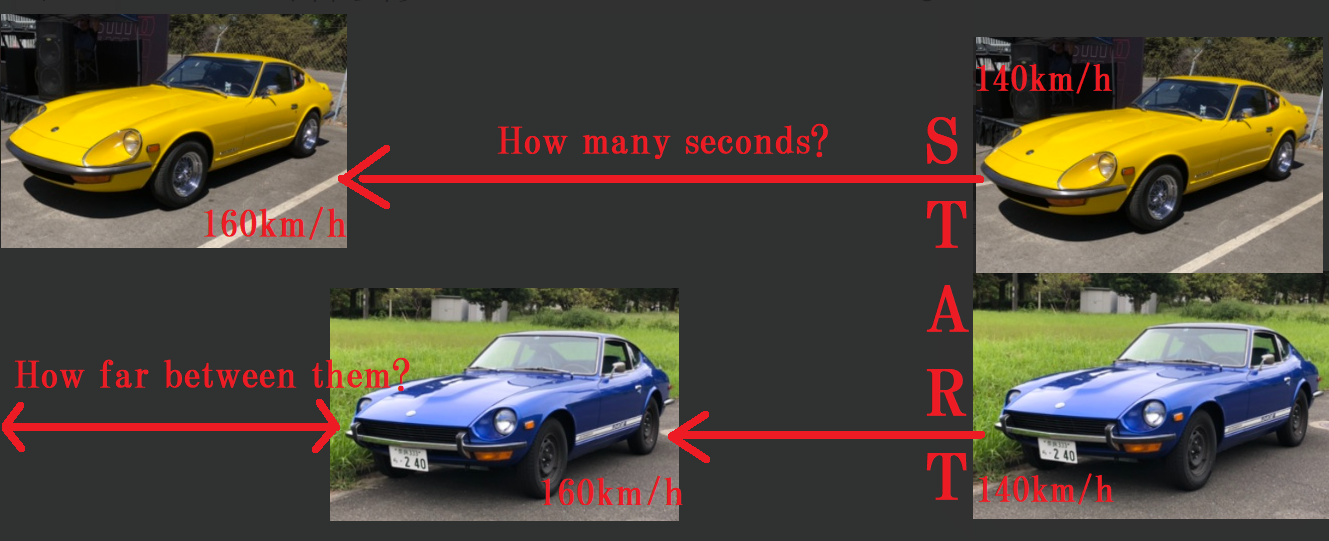
One more quiz, how fast is the G-nose? I always imagine what a great driving experience for Mr.K would be. Now owned by Mr. Kenny Ueda, his car would pass my car easily on the road. The thesis provided the data, acceleration of mid range speed. Please think the yellow car and my blue car have the same gears. Kats
-
Hi Roo and Carl, By the way, yes if we have a car serviced properly for drive train and suspension components, properly tightened bolts and nuts, assembled carefully just they required in the manual would certainly reduce the chance of the shake issue. The test drive in U.S. and Canada late 1969 the crew noticed the vibration around 80 MPH constant speed cruising. The decision of Tokyo office was anyway just keep making cars, with balancing tire. They knew what they had to do thoroughly by the report of the test crew but needed a year and half for production ready. Let's play Another Wild Guess- about the top speed of "RACER BROWN" 1972 : If the car had a G-nose (with a chin spoiler), what the top speed would have been? How much speed would have been increased from 152.134 mph? Fairlady -Z brochure says G-Nose will give you 5% more top speed, 30% more mid-range speed acceleration. In the brochure, top speed of Fairlady-240Z is 205 km/h. Fairlady-240ZG is 210 km/h. Fairlady-Z432 is 210 km/h too (I think we have to guess there was something behind). Basically, I think it is a Japanese way of thinking. Listing data (numbers and values) must be correct and proved in many ways. Better is acceptable, worse is unacceptable. So, usually those performance data have certain margin in there. Kats
-
Seems good for reducing pressure in the engine bay! Kats
-
Hi Carl, Thank you for the data, I have never seen it before. I visited the link provided here, I saw they tested various kinds of body configurations. I am curious about the car stayed on the floor, Nissan engineers set the actual car on the block which makes the car sit higher than sitting on the floor. We know this car, Salt Flats Racer 240Z. Most of people never knew (including me) the G-Nose can be attached with the Europe front spoiler like this car. I think this car has perfect aero dynamic package available from Nissan back in 70's Except one thing, an undercover. If this car had an undercover on that day, it could have much faster top speed on the plaque. Nissan engineers tested a G-nose with a front spoiler in the thesis I showed here. More surprising for me is the car did 152 MPH in 1972 without G-nose. Kats
.thumb.png.f97e8fde3208c0768ad5e8c4bea24249.png)
.thumb.png.7a673e64aaa41b0b461830b5e1a92b3f.png)
-
Hi! SpeedRoo and Alan described it well, I didn't even think about the under cover does such a great job for reducing Drag and Lift. Takeuchi-san (Z432-R owner) used to say he put an undercover on his car but he took it off in a few days. He said it wasn't good for engine cooling. Takeuchi-san, he takes his car on the road no matter how far his friends live, how hard rain falls from the sky. But he normally doesn't need to push his car over 100 MPH. Last time I visited him I saw the cover on his wall like an interior decoration. Me, maybe the same. I want to put it in my car but don't want to make the engine hot in the daily driving. Or winter only will work for me. Kats

-
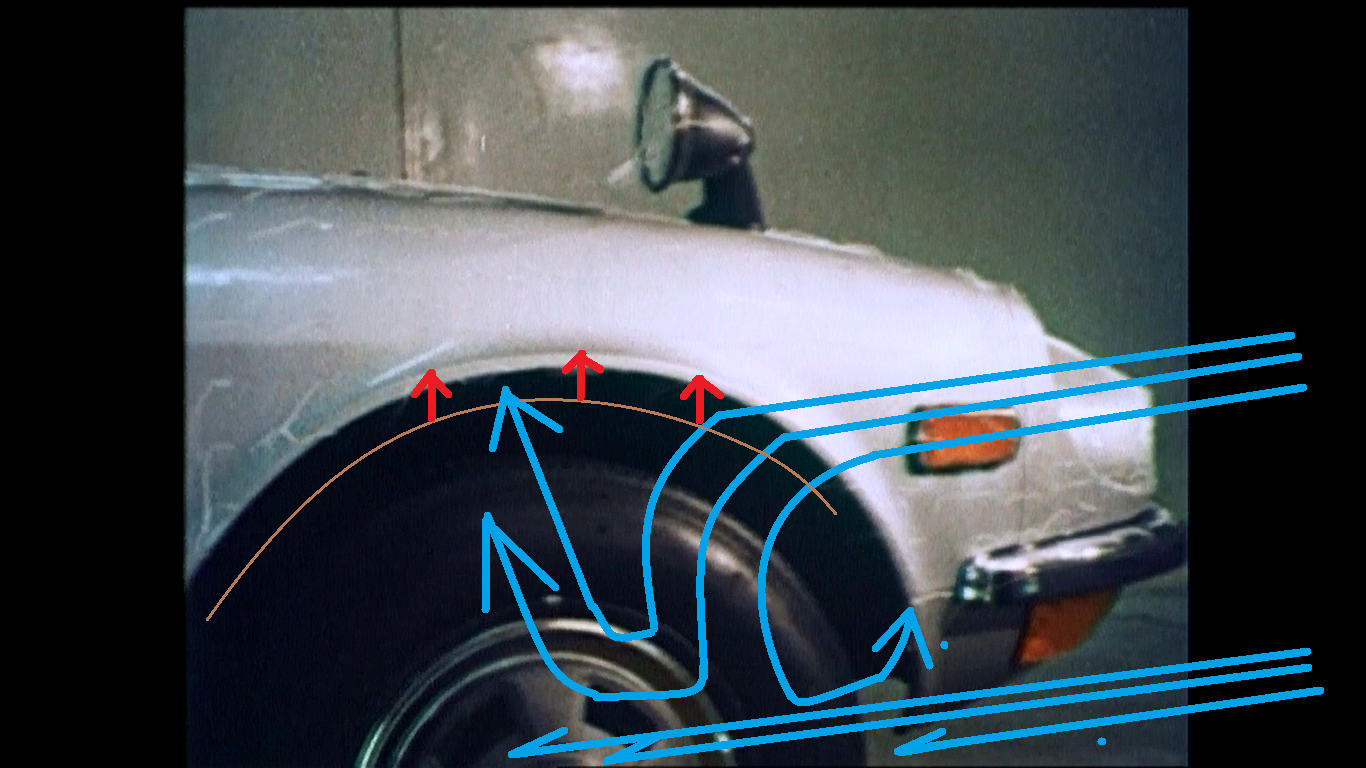
Thanks Roo, I have seen the magazine but haven't read through whole pages, thanks! You don't need my drawings but hey, I put it just for fun. I have one interesting story to tell which Mr. Miyazaki told me about "front chin spoiler" later on here. Kats

-
Thanks Alan, According to the comments of Mr. Uemura and other engineers and styling designers, the 1/4 scale model was tested in the facility of the University of Tokyo. According to the book "Prince/Nissan" Kazuo Higaki (Nigensha), as Alan said Prince used to have a wind tunnel at Ogikubo but it had been abandoned since the end of the world war two, impossible to operate. Just like Nissan, Prince engineers brought their 1/5 scale model to the same place, the University of Tokyo. By the way, 1/5 scale is a tradition of the Prince which used to be as an airplane manufacturer. Nissan's used 1/4 scale... A full scale prototype car was tested in the wind tunnel freshly built at Nissan Oppama Chuo- kenkyujyo (Nissan Central Research Institute) at Dec 1968, started operating from April 1969. Kats Attached picture is testing a Prince R380.
.png.d55e186fd160cb1971f002e86b016be1.png)




.png.de42dc4d9415a0ab64e21912b449ebe2.png)
.png.41d0e0b812957fa297a68eda1b3373b4.png)