
cgsheen1
Community Member
-
Joined
-
Last visited
Everything posted by cgsheen1
-
I can see from your pic the fun that the body man is gonna have with the lower fender and rocker and/or dogleg... Completely typical though.
-
Very nice. (I'm also happy that you don't have any body side molding...) Could be just camera, but if you look at the two pictures of silver Z's you'll notice the slight difference in "tone". Not to fault anyone or anything. Two different painters can use silver metallic from the exact same can, and spray two slightly but noticeably different "colors". With silver, the flake is usually the majority of the color, and how the flake settles on the part will make a difference. As will the amount of material applied and the primer or sealer used underneath.
-
Not without knowing how your mechanic rewired your Z. Post pictures of the coil and ballast resistor wiring and the wiring coming back through the radiator core support to the coil and ballast. Although not uncommon at the time, Nissan used a Tach and wiring method not used in the later Z's - only the 240's. To make the Tach operate, the wiring starts at the ignition switch and winds all the way to the ballast resistor (a Black/White wire). From there they use a Green/White wire to go BACK to the tachometer, through a loop (stupidly simplistic explanation), and then BACK to the "+" side of the coil with ANOTHER Black/White wire. IF your mechanic omitted any of that, changed any of that, your tachometer will definitely NOT work... Your tachometer "reads" the amount of electrical current going to the coil to operate and in it's stock configuration it needed to go through the ballast before going to the tachometer and before finally powering the coil... If he just powered the coil, tach is dead. (Three wires here in stock config: 2 B/W, 1 G/W. If all are disconnected, the one B/W that has Battery Voltage when the ignition switch is in the ON position is initially attached to one side of the ballast resistor, the G/W is attached to the other side of the ballast resistor. That wire returns to the tach. From the tach the SECOND B/W wire goes to the "+" coil terminal. You can attach that FIRST B/W to the "+" coil terminal and the engine will run, but you've then bypassed the wiring to the tachometer.)
-
Silver is tough paint to spray evenly - even tougher to match ("even tougher" I said... nearly impossible). You want someone with a good deal of experience spraying silver metallic and that's not generally cheap. We always had very good luck with our supplier (Sherman Williams Automotive) and Datsun colors - what they had was very close to factory. I think we shot three silver Z's. Datsun metallic base paint is fairly inexpensive (for paint) and fairly consistent in price. It's the clear and hardener that will have a great deal of price variation. Be forewarned that cheap clear usually means greater LABOR cost or settling for a poorer outcome. Each painter you talk to will have a preference for the clear they use and they will have a reason they do so. If you go against their preference don't be surprised by additional labor or cost to get the clear looking the way you want it to. And please don't argue with the guy - after he's sprayed the paint you told him to. (Here in Phoenix our cost of just the final materials (sealer, base coat, clearcoat) of the brands we prefer would be just over $1,000 (using a very good clear but by no means the most expensive) and not talking of labor, fillers, or primers. We got a pretty good discount - and a painters discount may or may not be passed on to you. Paint cost is the very cheapest part of the job.) If you want the silver "to pop", spray dark sealer under the base. If you use a lighter sealer the silver metallic will look "washed out" and will not have as much character, For the most part paint IS NOT opaque. Underlying colors will have a visual effect - subtle but definitely noticeable. I personally despise masking around weather strip and trim. It may look acceptable at first but will eventually present a myriad of issues. Early on, we did one at a customers request and immediately afterwards made it a policy to NEVER do it again. You think you may be saving on labor cost to mask rather than remove but in reality labor saving is minute and the result is poor. We had several Z's come to the shop years after a "masked trim and weather strip" spray looking needlessly shabby. Pull the windows and trim and get paint underneath all the gaskets, trim, and weather strip. My last piece of advice - if you can't afford what the experienced painter quotes you just don't do it - don't look for a cheap quote. And, with a Z, you CANNOT hold him to an initial ESTIMATE (unless he doubles up). There are WAY to many unseen things that may pop up. (I said "MAY pop up"... Sigh... I can't remember a single Z in our shop that didn't have surprises unknown to the owner AND to us!) Oh,, ya,, we shot that. VVV
-
In our experience it was generally bearings - mainly the one under the reverse idler - and not usually gears or baulk rings - except maybe the reverse idler. Many of the same bearings were used in the "B" transmissions. If you replace baulk rings (which I would avoid unless there's obvious damage to them), lap them to make sure they move freely when cold... Ask me how I know (and how cold does it get in Arizona?).
-
How is that any more than just a guess - like the "I'm turning down the knob 2 1/16 turns"? Don't you need to know the AFR created by adjusting the jet position? And isn't the position different for varying temperatures and elevations?
-
Every single one...
-
Could well be -> intercooler, -> condenser, -> Koyo radiator (stacked up before the) -> fan. (unfortunately don't have a shroud - wish I did) Plus Phoenix softens up a lot of plastic at times (then dries it out, bakes, and cracks it). And I believe the blade length played a part in my particular case. Oh, and engine tilt vs. radiator non-tilt...
-
Okay, this is weird, but I'll mention it anyway. I bought a new fan blade (just like that) from Nissan and it was great - OR would have been if I had a stock radiator maybe. But I installed a Koyo 240Z radiator in my early 260. The Koyo is probably a bit thicker than stock - although there looked like plenty of room between fan and radiator. I drove my new setup a bit and pulled back into the shop. The radiator was leaking coolant. It had been hit from behind. I couldn't figure it out. (I first thought it was a defect I didn't see) The new fan had blades just a smidge longer than the old, hard blade I had been using. And they were nice and fresh and supple (well, much more so than my old crusty fan). What I EVENTUALLY found after I almost ruined a SECOND Koyo radiator: The stinking longer, more flexible blades of the new fan were flexing FORWARD ENOUGH for the tips to reach the radiator. Fast spinning nylon beats aluminum tubes and fins. (Koyo is side tank and the fan didn't hit the center, it hit the inside of the right-side tank and the tip of the blade was then pushed into the tube and fins on that side only - right next to the tank) Check the forward motion of the fan blades at speed. (having said that, I've found NO BETTER radiator than the Koyo for my Phoenix, AZ, daily driven, A/C pumping, turbo swapped, intercooled early 260Z - and I'm still using that old, hard fan... The new one is sitting on the shelf.)
-
I'd be surprised if you couldn't still get one from Nissan but my local O'Reilly's can get an aftermarket one in store in an hour for a stock transmission. (also, if you dig away the black goo that the two wires come out of on the original switch, you'll find a couple of brass solder tabs in there that what's left of the wire will still be soldered to. a bit of wire and a male and female bullet connector (with insulators)... Fill the cavity back up with silly cone - just sayin')
-
hmm, the cars are bad either...
-
They corrected that mistake with the 260's on - by putting struts on both sides. Not only does a single strut cause the hatch to twist but when closed there's always pressure on one side and not the other. The gas strut is constantly exerting pressure forward on the left hinge and not on the right hinge. You probably won't like the cure as it involves finding a parts Z - 260 or 280 - and removing the mount from the right side strut that's welded on there and moving it to your car so you can add a right side hatch strut. And I don't remember if the early Z hatches have captive nuts for strut mount on both sides or not. We had a guy in Scottsdale rebuilding a 240Z that wanted to add that second strut before he painted so we cut that bracket off a parts car for him. I've never tried to replace the hatch hinge pins (which might get worn). We learned early on to leave the hinges in place whenever possible as they're such a PITA to properly adjust once you've loosened or removed them.
-
Yup. Most of the pertinent info on Hybrid will be from 10-15 years ago. And probably most of the picture links won't be there anymore. I used to post a lot there but haven't been on in years... A 225mm flywheel and clutch package won't hold the torque of a turbo engine. I originally used the 260Z stock clutch and transmission (and R180) and realized after one drive the clutch wasn't going to do it - and that was at factory boost. I've been using an Exidy 240mm clutch and flywheel package for 12 years or more (well, 2009... How many is that?). I've been running 10-12 pounds of boost for quite some time. (You control boost with your RIGHT FOOT and even when you're driving hard, you're not always at full boost. Most of your driving time time is not in boost at all and if you're sized and tuned correctly, you're in and out of boost fluidly - turbo lag becomes a myth) If you're going turbo DO NOT go with a LIGHTENED flywheel! You need the spinning mass IMO.
-
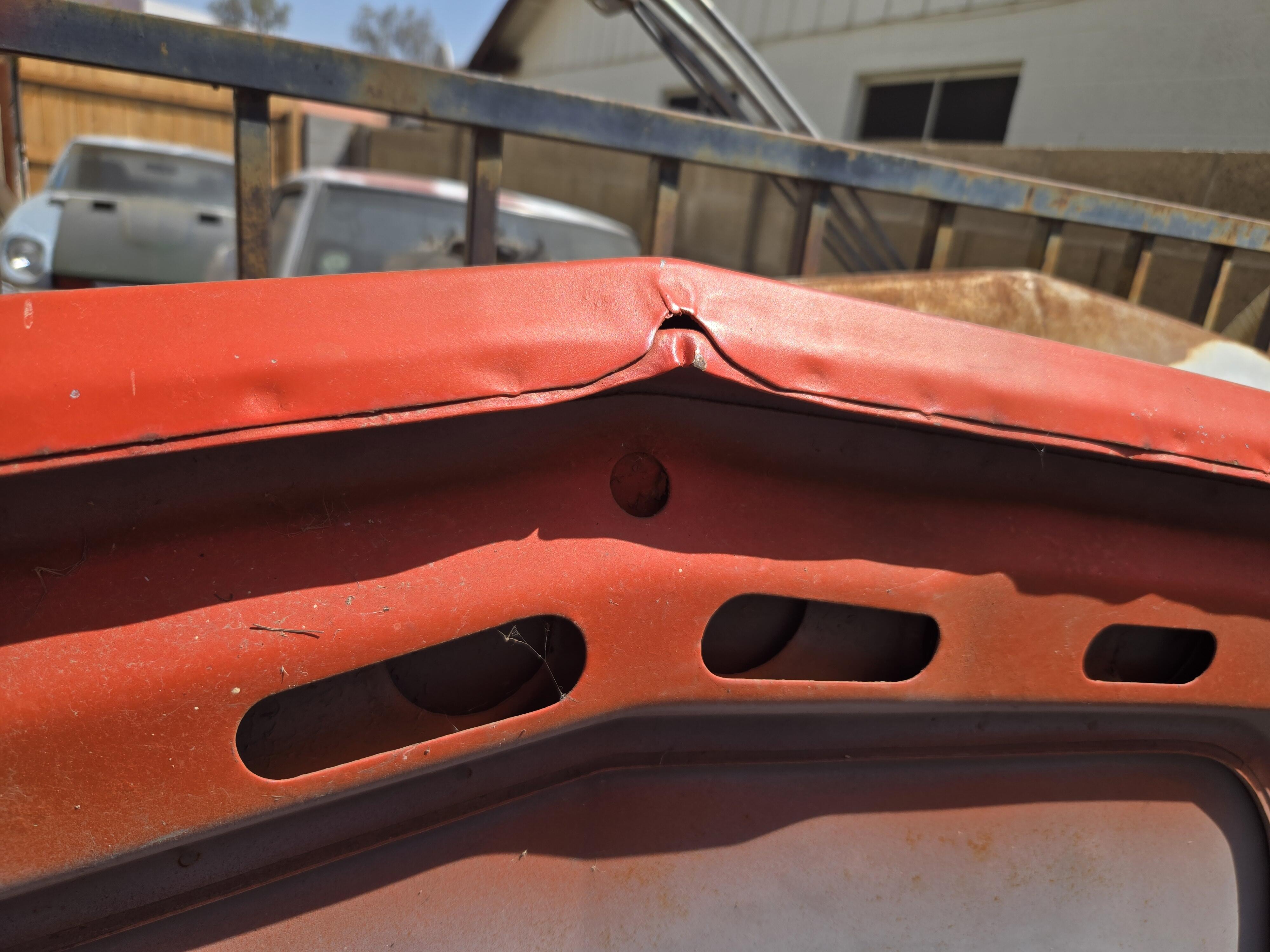
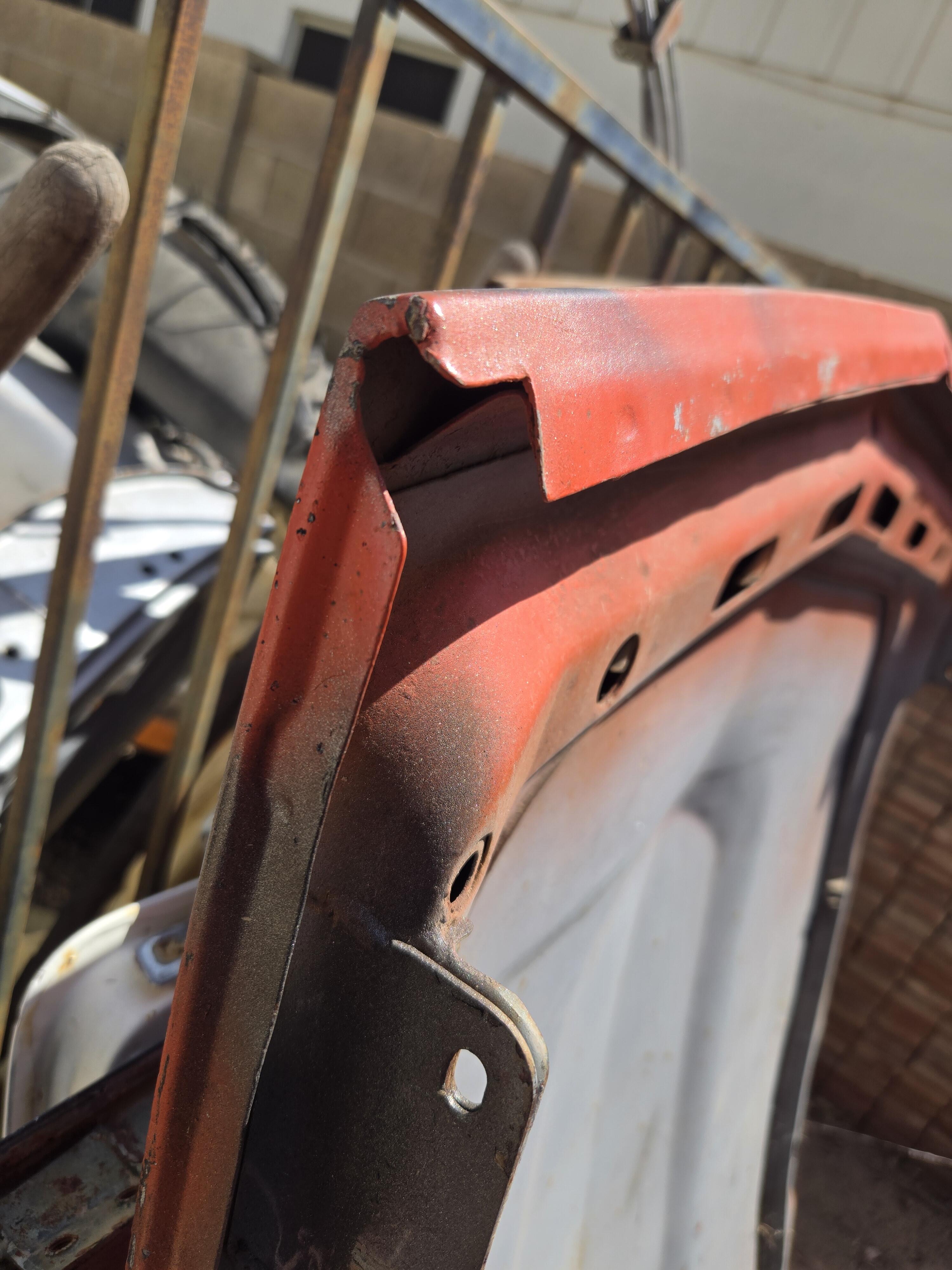
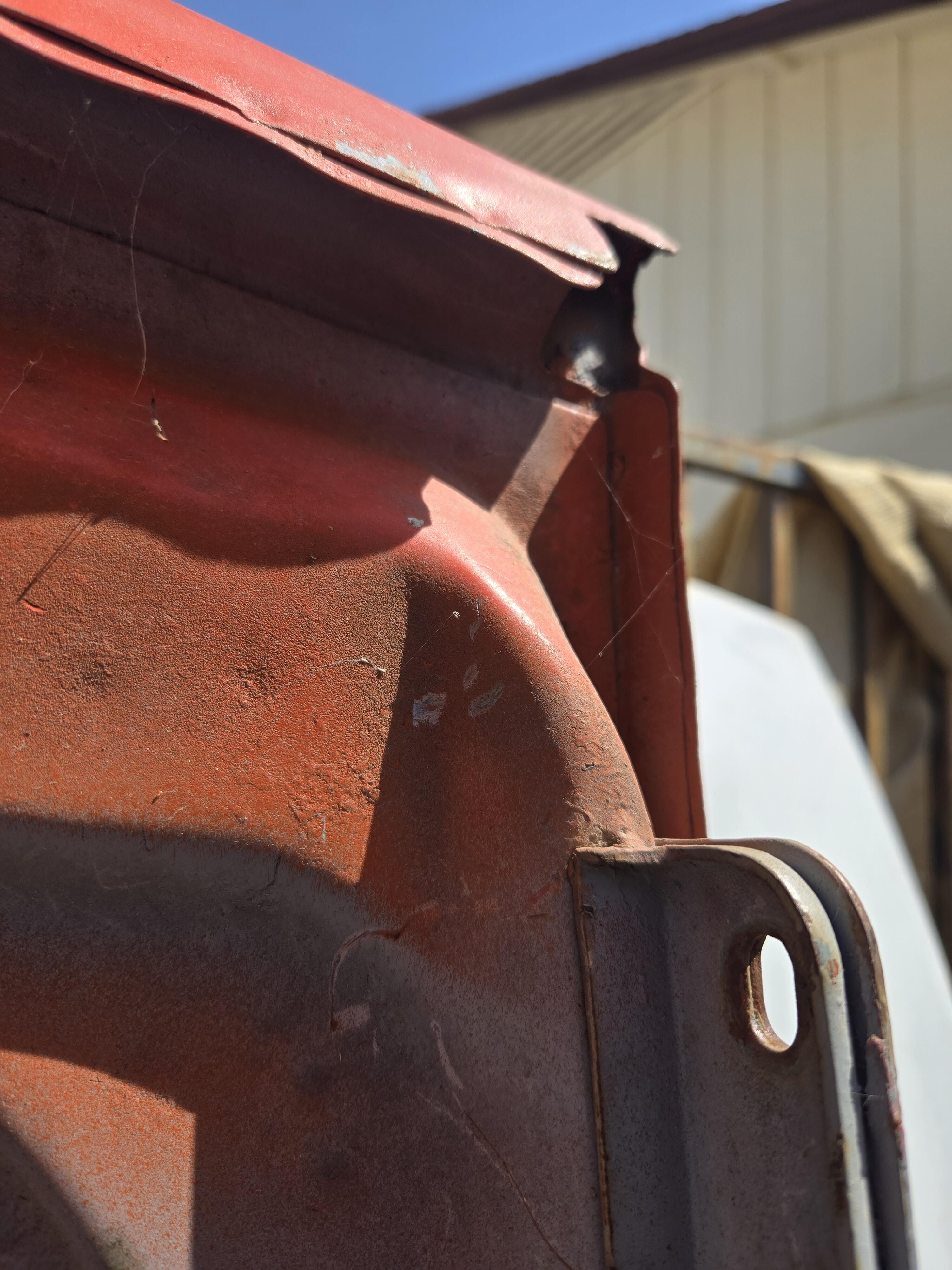
This one is close to real.
-
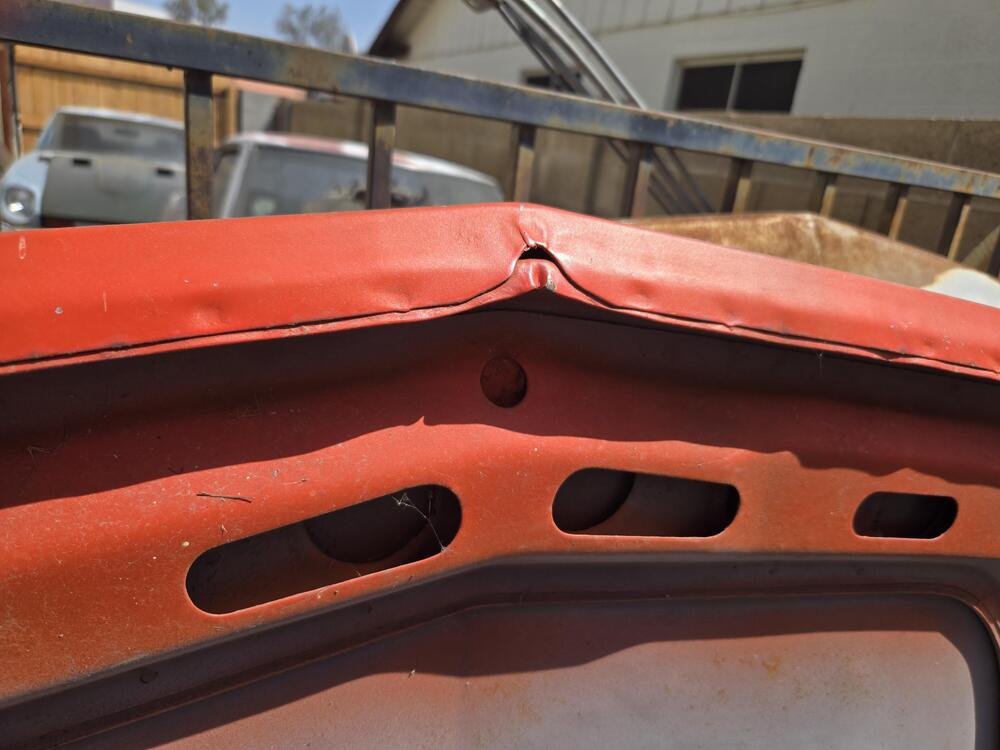
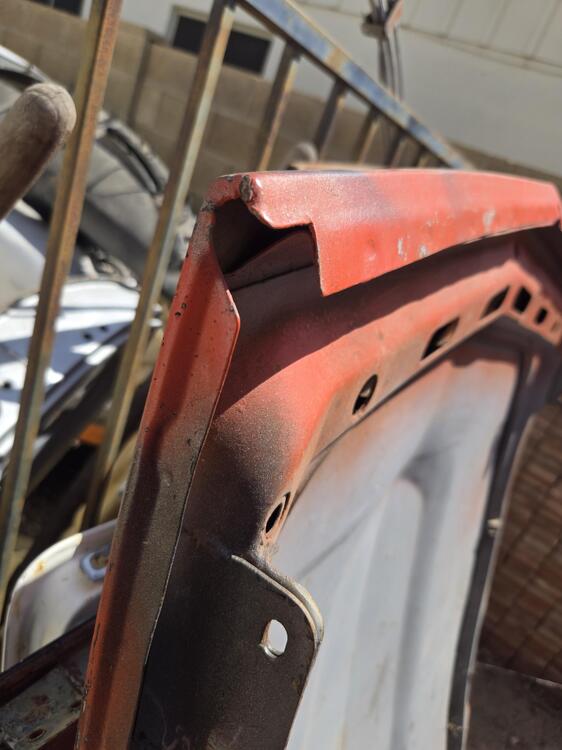
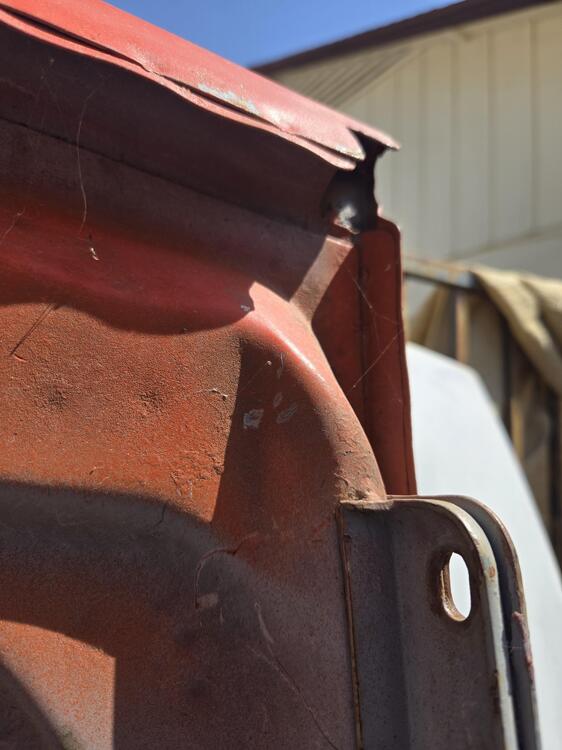
Uncrunched hood: Good point on the tip, correctly wrinkled steel, spot welds visable. (factory paint on this one)
-
Sorry. This is a NOPE. Point of hood is wrong, no spot welds noticeable, way too smooth - it's been filled...
-
-
I had something similar on my L28ET that turned out to be a cracked solder joint on a connector pin. It drove me crazy for months, very random. Much like yours sometimes it would restart right away, sometimes take a few to several minutes to restart, didn't seem to be temperature related. Mine was not on the ECU but on the CAS optical unit in the distributor so that the ECU wouldn't always get the proper timing signal. You might look at the distributor (cracked magnet?) or the Electronic Ignition unit, or maybe the ECU connector solder to the board, maybe the EFI Relay or power to the ECU.
-
Be patient. Space heater to warm the whole thing up? (Here, this time of year, we wouldn't be having that problem...) I wouldn't use pliers. I'd try prying the end of the filler hose away from the tank (or the tank away from the filler hose - which ever way you want to look at it.) with one or two long prying tools (whatever works to catch the edge of the hose without harm - thin or wide) Long screwdrivers? Flat pry bar? Regular pry bar? Non-metallic pry tool? But you do need to somehow break the "bond" that the rubber has made with the steel inlet tube. Then treat the filler hose with Meguiar's Hyper Dressing...
-
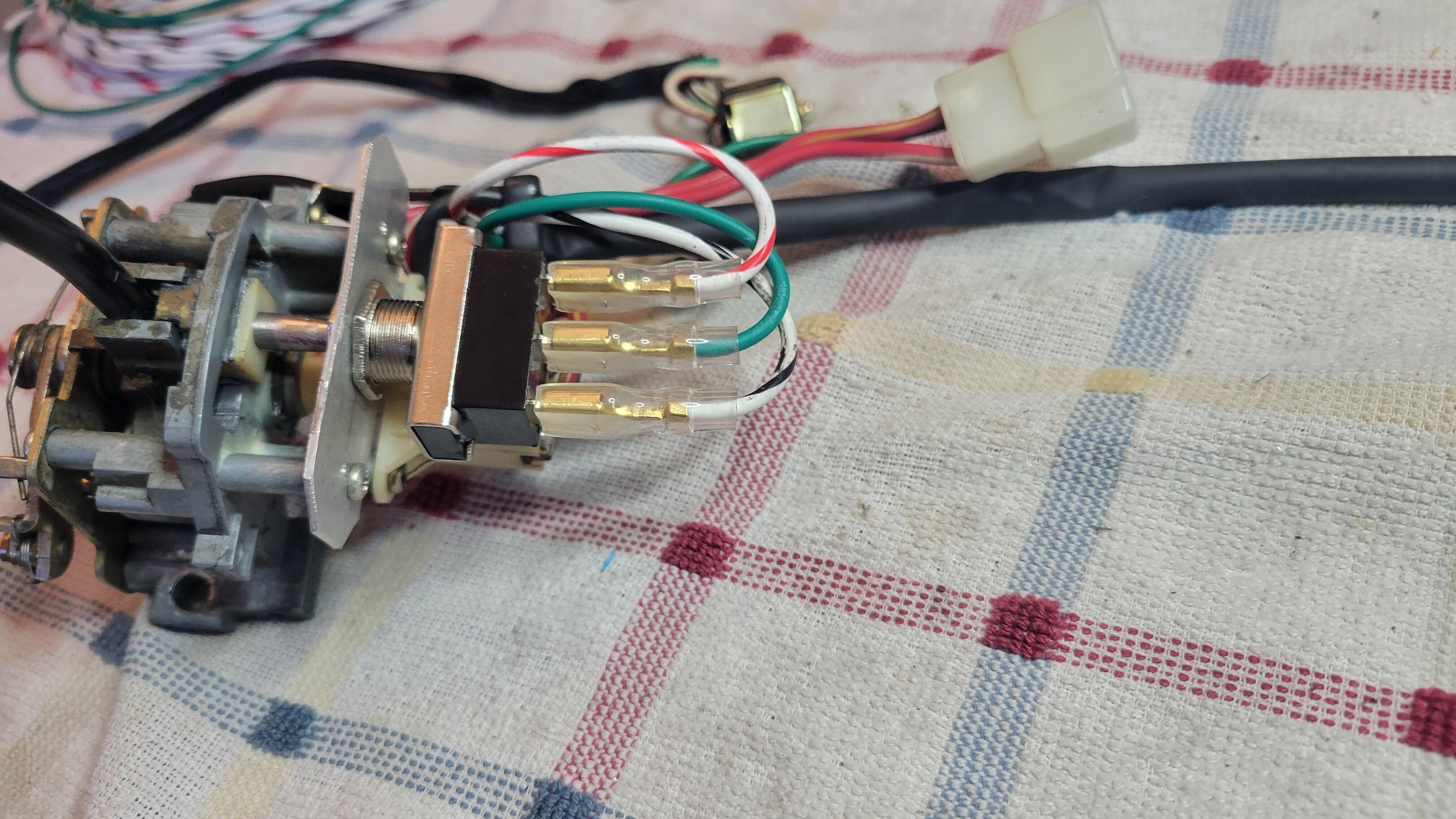
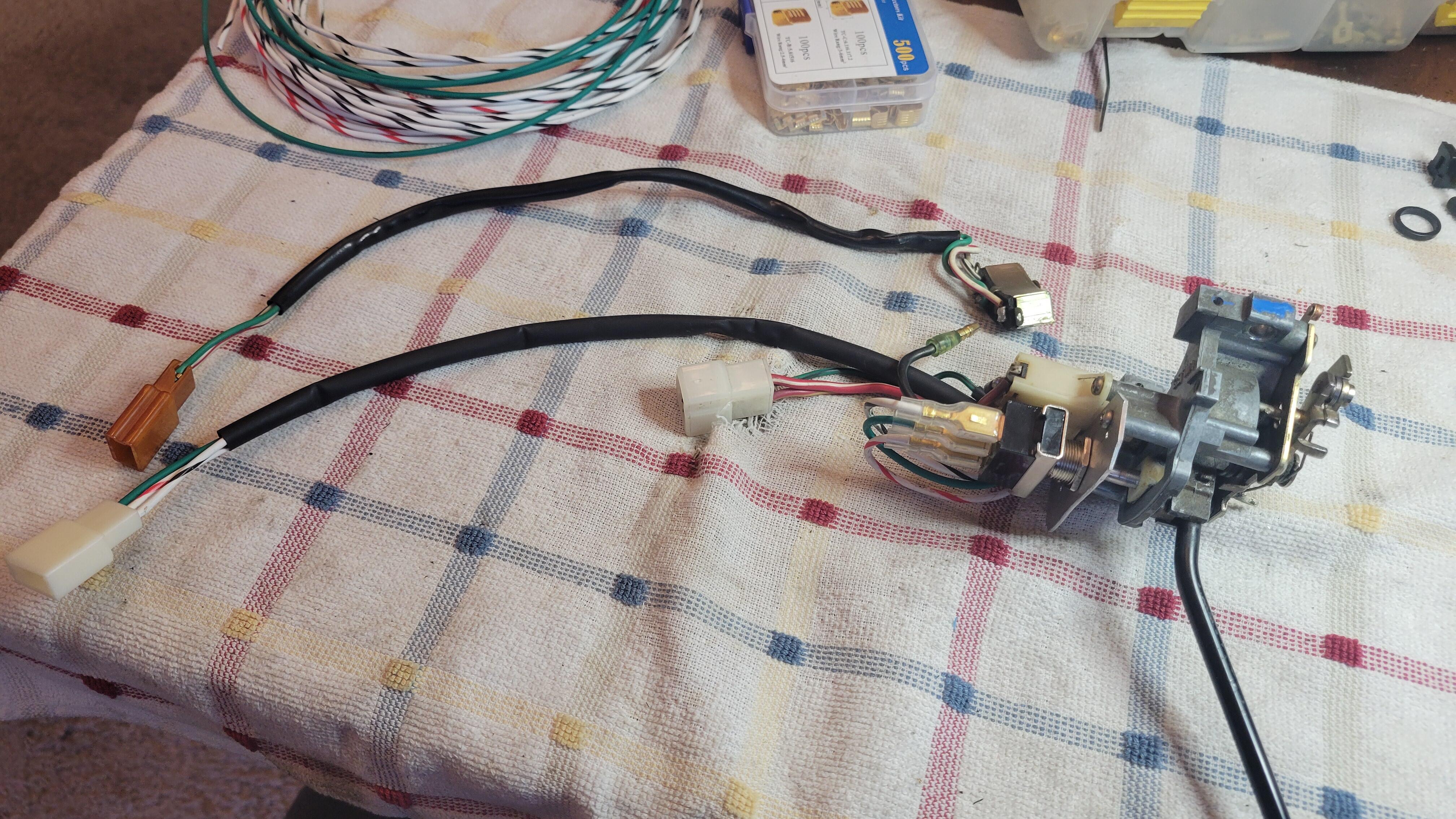
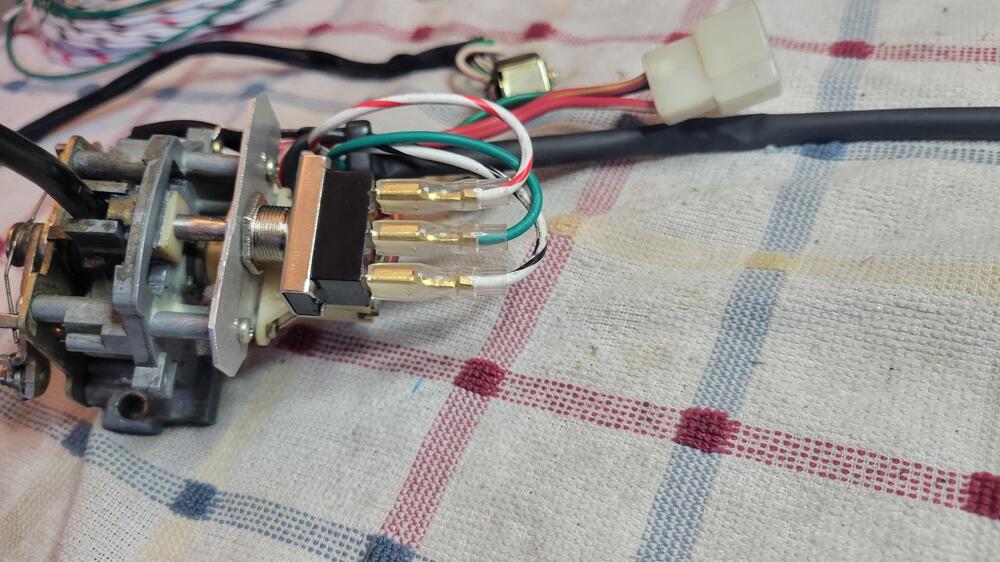
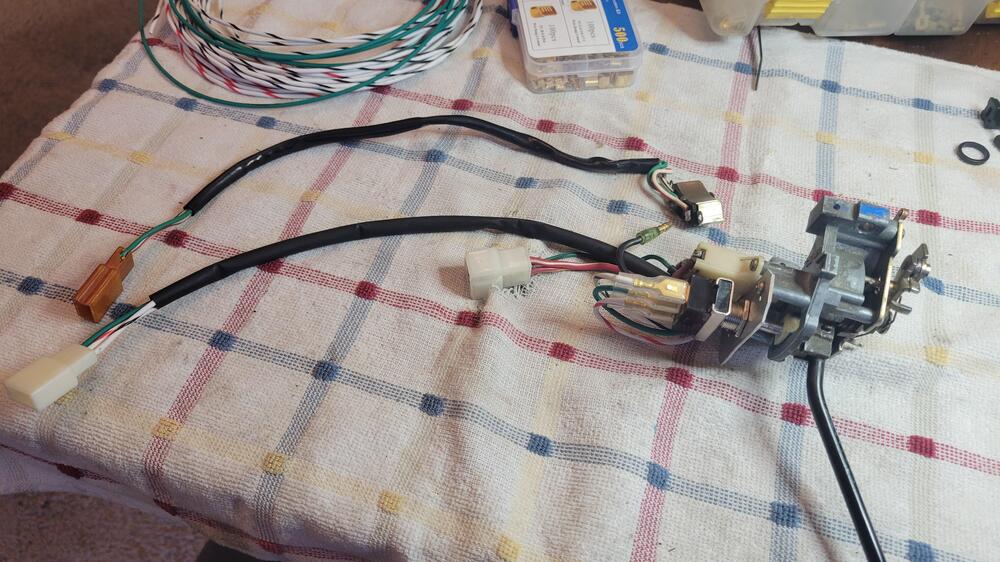
Found a picture that I took in the "let's see if that would really work" phase. In this picture the "mounting plate" (thin piece of flat aluminum) wasn't trimmed such that it would fit the clamshell. That took a bit of further modification to the shape of that plate. But it did prove that the toggle switch would be actuated by the stock turn signal components. I do not have dimensions without disassembling it. I also think it required a bit of trim on the switch handle for the end of it to fit properly in the "plastic thingy" of the turn signal assembly. (plastic thingy - which happens to be on thingaverse as a 3d printable item...) I got this metal toggle at O'Reilly but they can be had everywhere. You can see that the stock switch is much more compact and a little searching might find a smaller toggle than this one - and possibly with less protrusive electrical connectors... I wanted something simple and common.
-
I didn't replace the turn signal - just the switch. And it can only be done relatively simply in the '74-'78. 240Z switches have too many contacts and functions intertwined with the overly complicated hazard switch to be replaced by a simple three position rocker switch. If I didn't have to take mine apart in the 100+ Arizona heat, I'd take a picture. I'll see if I can find the post that put me in that direction - it was not my brainchild.
-
-
For me at least, this has been an extremely common problem. On BOTH my personal car and many - if not all - the Z's that came through the shop and throughout the Z community here in Phoenix. Yes, there may be too much amperage going though those contacts as resistance builds up in the wire and connectors BUT: What I have found in every turn signal switch I've repaired (and that has been MANY) is - The original chrome plating on the solid contacts (non-moving) has worn off due to repeated electric arcing across the contact. When you clean the carbon off it leaves a nice brass contact surface that fouls MUCH more quickly. Therefore, depending on your use, you get another 6 months to a year or so before you have to repeat the contact cleaning process. Then your flashers work well enough for a time and have to be taken apart again. (and, you can only un-bend and re-bend those metal tabs that hold the switch together a certain number of times...) My flasher switch (which I have absolutely no idea if it was original to the car) worked well for a few years before I had to take it apart and clean the carbon fouled contacts. Then it became a 6-9 month cycle. I finally got tired of that and bought a different turn signal switch assembly off the internet. I was delighted that it worked well and lasted for quite a few years. I'll remind everyone that I daily drive my 260Z so my T/S get a fair amount of use. (I got this Z running and back on the road Spring of 2009) DROPPING THE AMPERAGE going through the switch will definitely help the contacts to last longer (foul less). But I don't think it's necessarily the ultimate answer. In my case, that didn't last forever either, and I am done with taking the stock switches apart and cleaning, and cleaning, and cleaning the contacts. SO, I followed another dudes post somewhere and replaced the stock switch with a standard metal 3-position rocker switch mounted such that the arm of the rocker is operated by the stock turn signal arm mechanics. Did it about a year and a half ago and I've been very satisfied with the operation. I can buy another one practically anywhere if I ever need to replace it. Under the clam shell you'd never know it was swapped looking at it. That was my solution. I will say too that MY 260Z IS HEAVILY MODIFIED and is not trying to be original in it's representation at all. In fact lately I have replaced my entire engine bay harness and replaced all the stock wiring connectors with Deutsch connectors. As well as a new engine harness built for a different ECU and sheathed with Raychem. The SECOND thing I will mention: IF you remove the actual switch from the turn signal assembly and push it's little "nubin" that sticks out from side-to-side you'll notice that it goes full motion and insures that the rocker piece(s - if you have a 240) inside will spring solidly onto the fixed contacts EVERY SINGLE time. Now screw it back onto the assembly and watch it's movement. Even when the assembly parts are NEW, they won't move the switch fully from side-to-side! That sliding piece of plastic with the hole moves enough generally to cause the rocker to fall one way or another, but NOT full motion. As that piece of plastic wears against the metal it makes that action more and more sloppy. It affects the action one direction MORE than the other. SO, your LEFT SIDE SIGNAL going away is common. Usually it won't just disappear - it'll become "finicky" and works sporadically usually requiring you to move the T/S lever again or wiggle it to get it engaged (and the V-shaped bar to teeter all the way to one side). I may have pictures of the turn signal switch disassembled but I'm sure they can be found on the interweb. I tried a few things to combat that problem as well, but in the end moving to a new toggle switch solved both problems.
-
There's also a keyway cut into the body. It was exposed once you took out the retaining bolt and the piece of metal that holds it in place. If you have a non-ZX transmission it sucks that it's on the top but you said you could turn it. It is a place that you could try prying... Honestly, I've never seen one stuck that bad - and we've seen a lot of transmissions over the years - even series one monkey shifters.
-
Almost every (almost... every, actually) oil pan we took off an L-series motor had over torqued bolts that dimpled the top flange of the pan. That of course ruins the sealing surface and the pan is thin soft metal so it's easy to dimple. It's also easy to flatten the dimples and it should be done every time the pan is removed and dimpling is present at the bolt holes. I've had the best luck doing this (making the sealing surface flat and level) and then using the "Frenchy" Dehoux "pinch permatex gasket maker on the gasket" method: a pea of permatex on your gloved index finger, pinch it with your thumb, pinch the permatex onto the gasket. Repeat until applied to entire gasket. That gives the gasket a very thin coat of gasket maker on each side as you go around the entire gasket. Immediately install the pan with gasket and TORQUE THE PAN BOLTS PROPERLY. (I run the bolts in until barely snug then follow up with the correct torque.) Wait the appropriate amount of time indicated for your gasket maker and then add oil. My L28ET has the two flange pieces for the back of the oil pan but they don't necessarily prevent over torquing damage to the pan. That's why there are so many bolts - VERY little torque needs to be applied. When done properly - with a flat upper surface - just the gasket is necessary. I use a very thin coat of gasket maker as a precaution. (well, OCD...) I'm probably the guy that really needs that aluminum, finned oil pan - Arizona, turbo, Arizona, lives in the same town... Couldn't dimple that thing.