


Carl Beck
Community Member
-
Joined
-
Last visited
Everything posted by Carl Beck
-
It its 33xxx it is a 06/71 build date - if it is 38xx it is a 07/71 build date. #42464 seems to start 09/71 build dates..
-
What is the VIN on your Z? Both the 1971 and 1972 Model Year Datsun 240'z were built in 09/71. It don't think it really matters as both had the fuel vapor line... Part Number is the same up to 06/72, then it was superseded by the next part number up to 07/73.
-
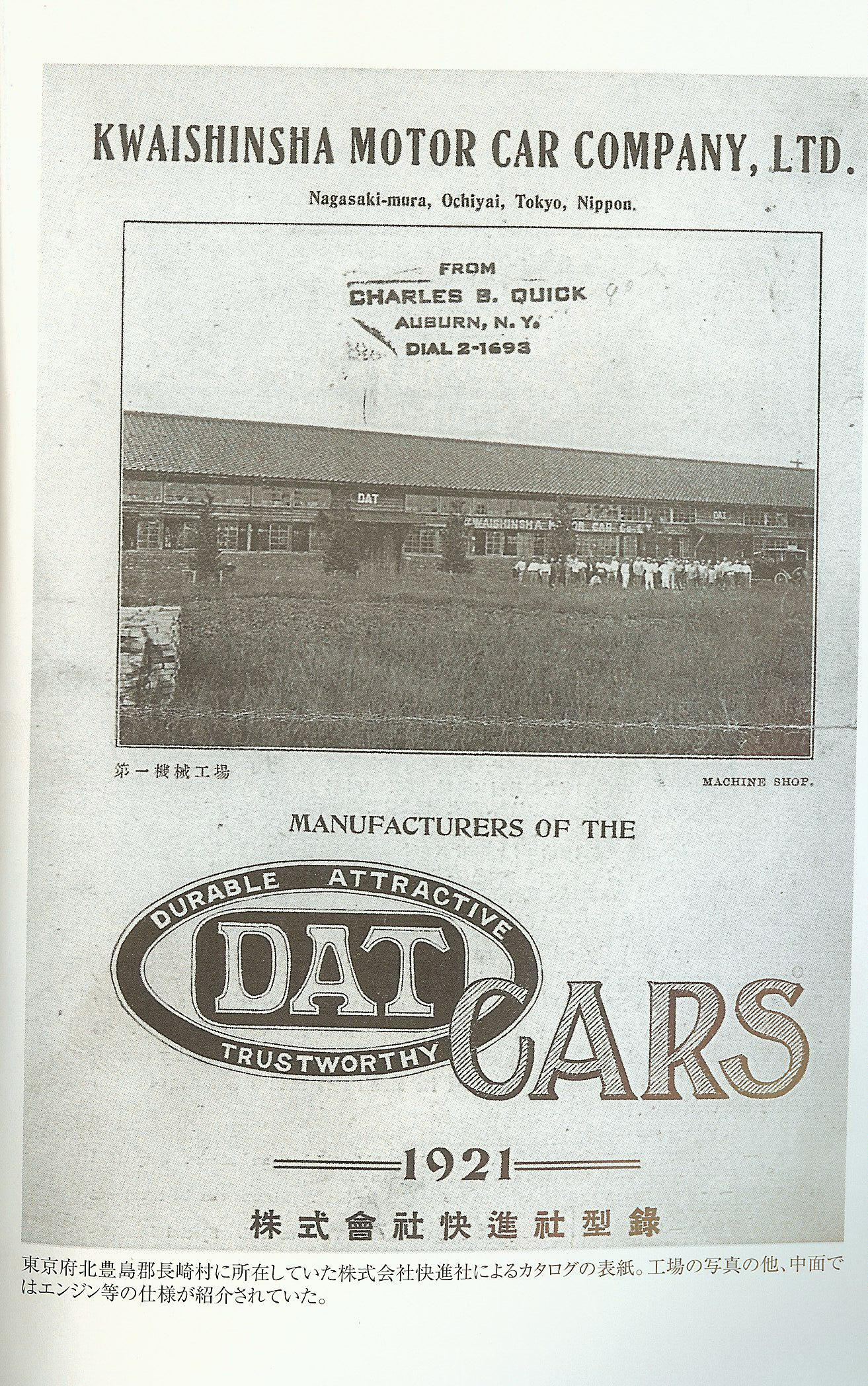
Thanks for the plug - we need to sell a lot more copies - - anyone can order the English language edition hard copy or now download the digital copy at: https://www.lulu.com/search?adult_audience_rating=00&page=1&pageSize=10&q=Datsun+240Z As usual Alan give me far to much credit. I had nothing to do with the translation - Mr. Motomura, one of the Suspension Engineers that worked with Mr. Uemura supplied the English language text files and image files in several different file formats. Having never seen a copy of the original book, I worked with a professional book layout expert to reassemble all the individual files into the single format needed for hard copy publication and distribution, as well as with Art Singer for the Cover Art. The Title page that Mr. Uemura & Mr. Motomura sent was “ The Development of Datsu Z Car" By Hitoshi Uemura, formerly Principal Design Engineer at Nissan Motor Co., The above is cut/pasted from the original text file sent. Yes, the title of the book was changed for the English Language edition to: “DATSUN 240Z ENGINEERING DEVELOPMENT”. “Engineering” as added to differentiate it from all the previous books devoted mostly to the origins in the “Styling Studio" . Datsun 240Z was selected - to increase meta data for search engines (recommended by the Publisher’s suggestions) as that is what the vast majority of English speaking customers initially search for. It was the goal of Mr. Uemura and Mr. Motomura to get Mr. Uemura's story to the American enthusiasts that embraced the Datsun 240Z's in such massive numbers and who had kept/maintained so many of them for 40+ years. “Kwaishinsha” is exactly what was sent - I suppose Mr. Motomura or perhaps Mr. Uemura had photo’s of the original company signs or literature. Being a proper noun - the name of the company isn’t subject to having its name respelled. (no matter that later someone thinks it was spelled wrong to begin with)- it is the name. The owners/ creators had the right to spell it any way they wanted..
-
Interesting isn’t it? That the sedan was introduced ahead of the Z. It seems that Nissan’s top management felt that the S20 should be introduced in the Z, so that the Skyline could be advertised/sold as having the most powerful sports car engine - rather than putting a sedan engine in a sports car. That was why the S20 was put in the Z by management direction. (as I currently understand the story). It was a clever trick by the head of the Development Department to get Mr. Matsuo’s Plan A selected for production - as the long nose on plan C based on the previous roadster chassis was ugly)...
-
As Mr. Iida described it - "The improvement of L20 continued afterwards. It is because four cylinder series such as L13 and L16 are completed. To share these four cylinder series and the parts, L20 was again designed. L type series of four cylinders was developed over time, and had been rationalized to detailed parts. It was too good to miss these parts. Reduction in costs can be attempted by sharing parts. The engine that shared parts was called a module engine." "The engine that shared parts was called a module engine." These engines did not share parts with the original L20. Mr. Iida also tells us that the original L20 came about based on the engine block of a previous 4 cylinder block. http://zhome.com/DatsunLSeries/L20NH2004AprilTrans.htm I think the statement "would prove to be a bulletproof workhorse" is accurate.
-
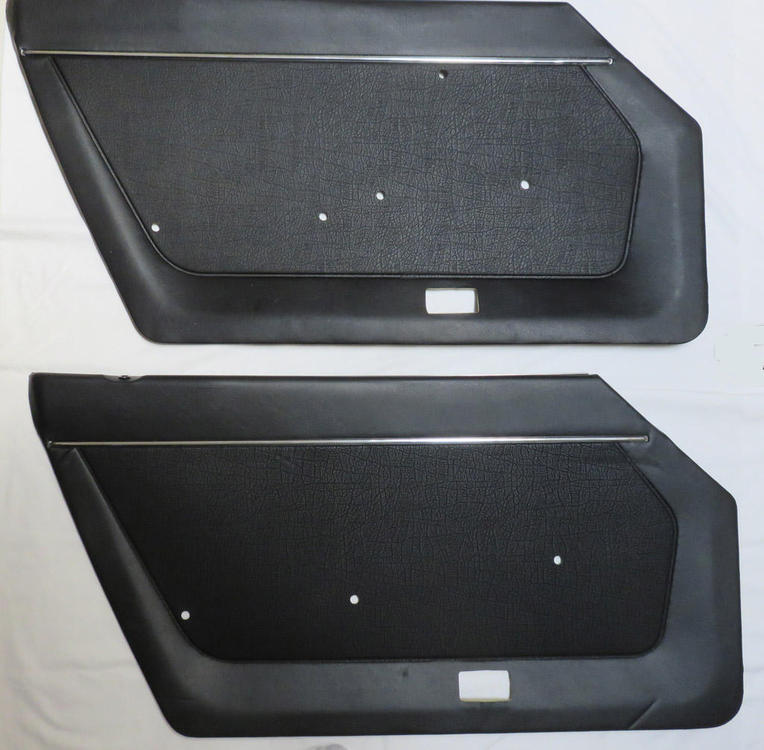
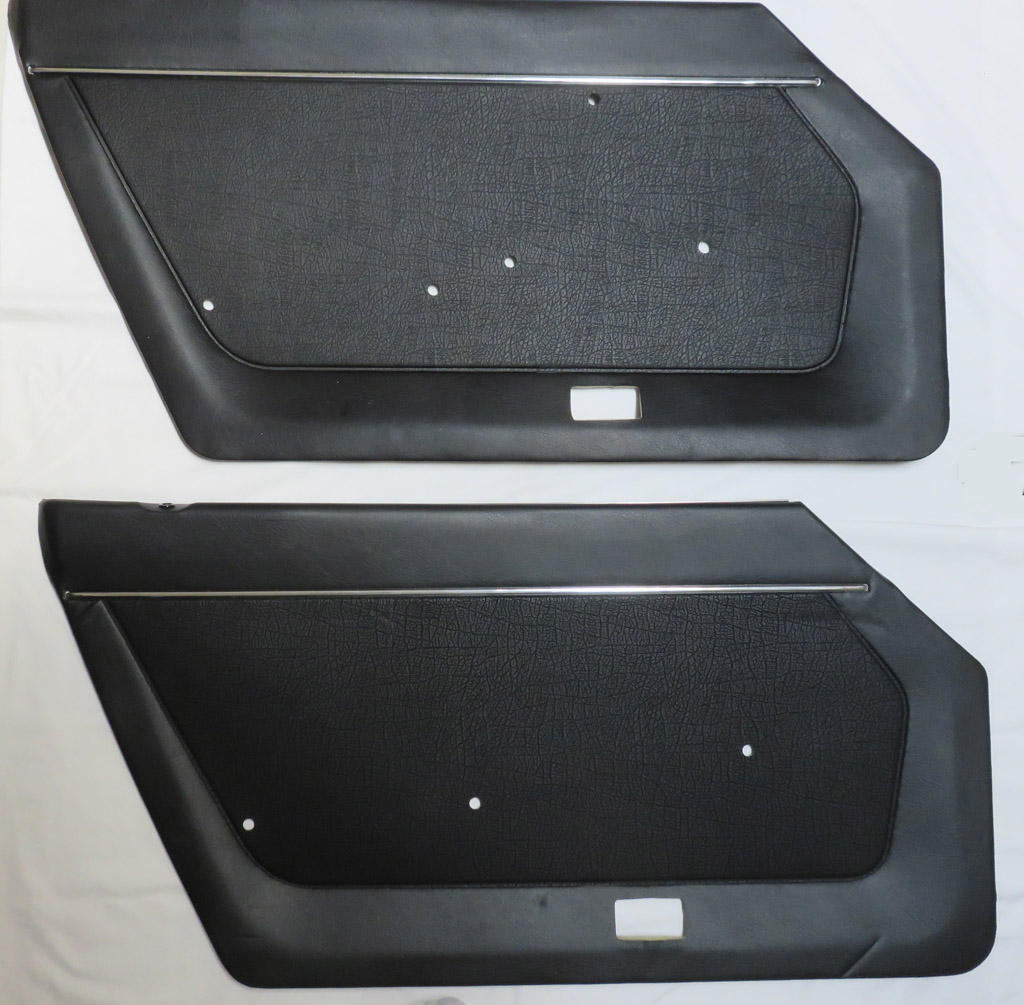
There are a couple elements that need to be distinctly identified. a) the compressed fiber door panel and b) the vinyl covering. I take it that you are talking about the holes in vinyl covering - Y/N? The difference between the later left side door panel - on the Left Hand or Right Hand Drive models - was the pre-cut holes in the vinyl. (see picture below). As far as I can remember - the original early fiber door panels for the Left Hand Drive Z’s did not have the holes in the fiber door panel backing necessary to mount the Passenger Assist Straps on the Drivers Door. That was changed some time later. Will see if I can find or get some pictures. My guess related to why the Passenger Assist Strap is on the subject $77K example - The Seller said it was a 10 year project - he most likely ordered the correct part number for the Left Hand Drive model, but received a replacement meant for use on a Right Hand Drive model. On these the black vinyl had holes pre-cut for the Pass.Asst.Strap - and the only way to cover it was to install the Strap. This happened to several of us back in the late 90’s and early 2000’s. When i received the wrong panels - I notified Courtesy Nissan and they replaced them for me with the correct parts.
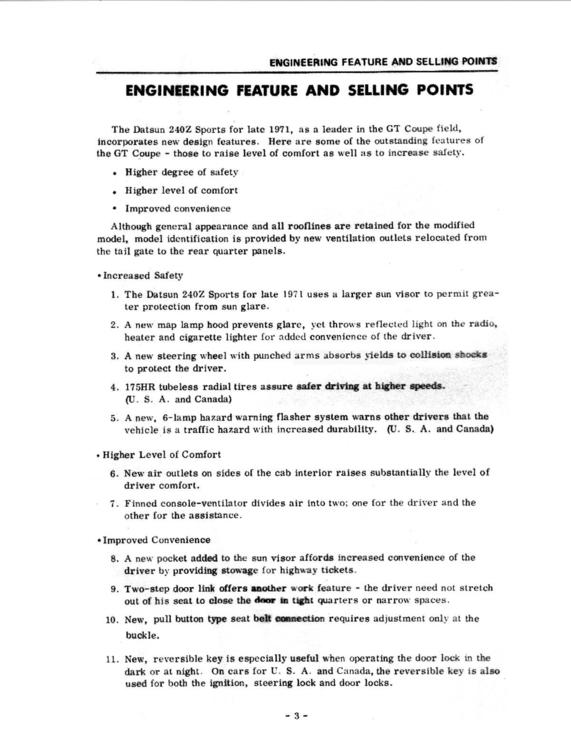
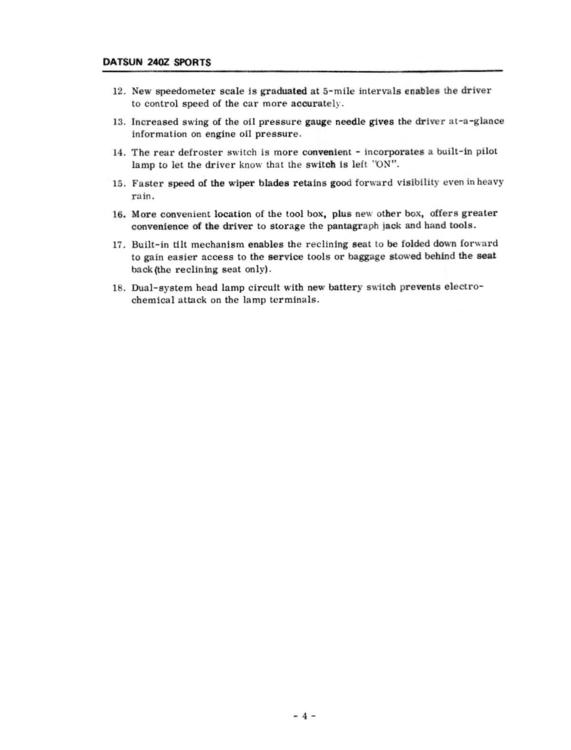
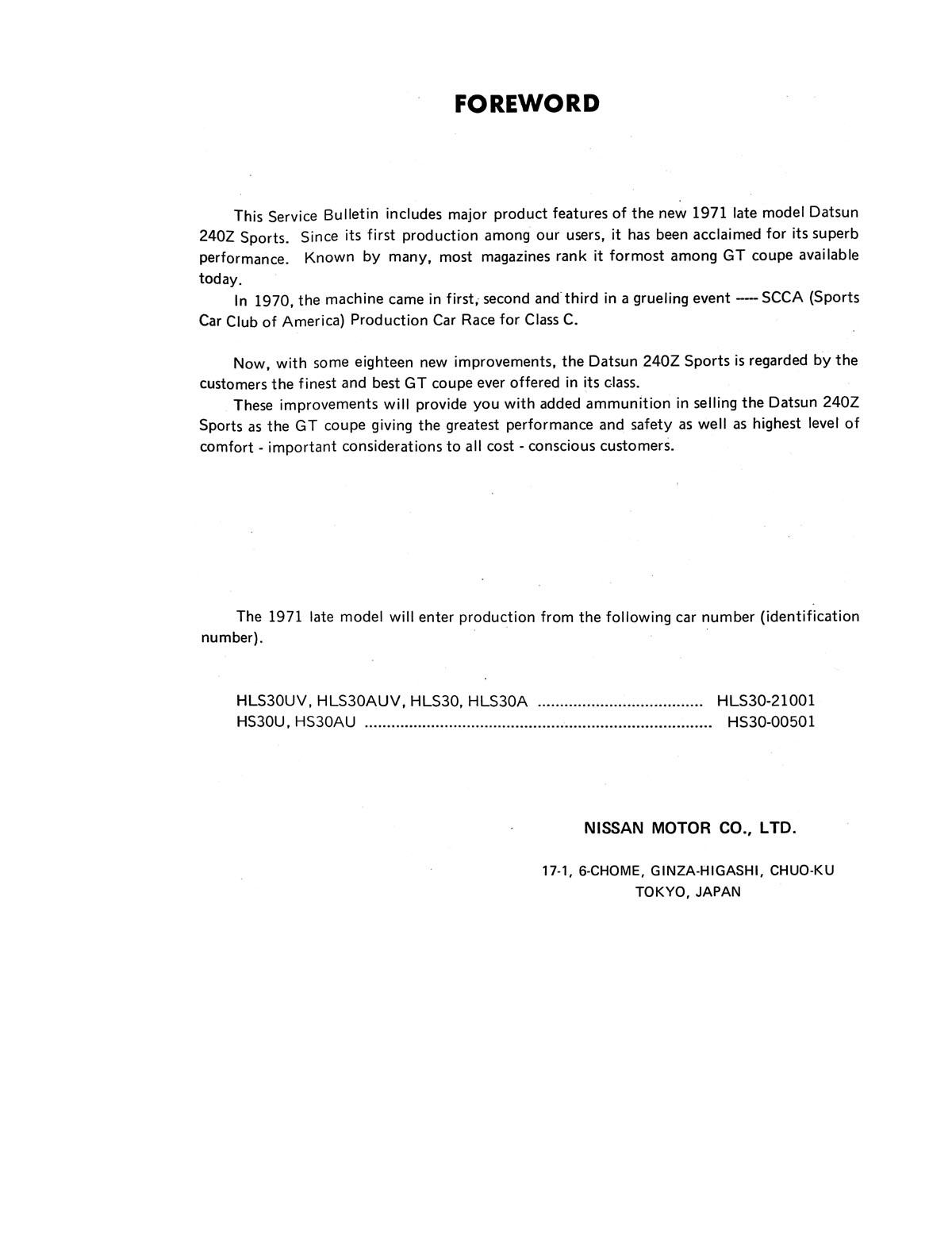
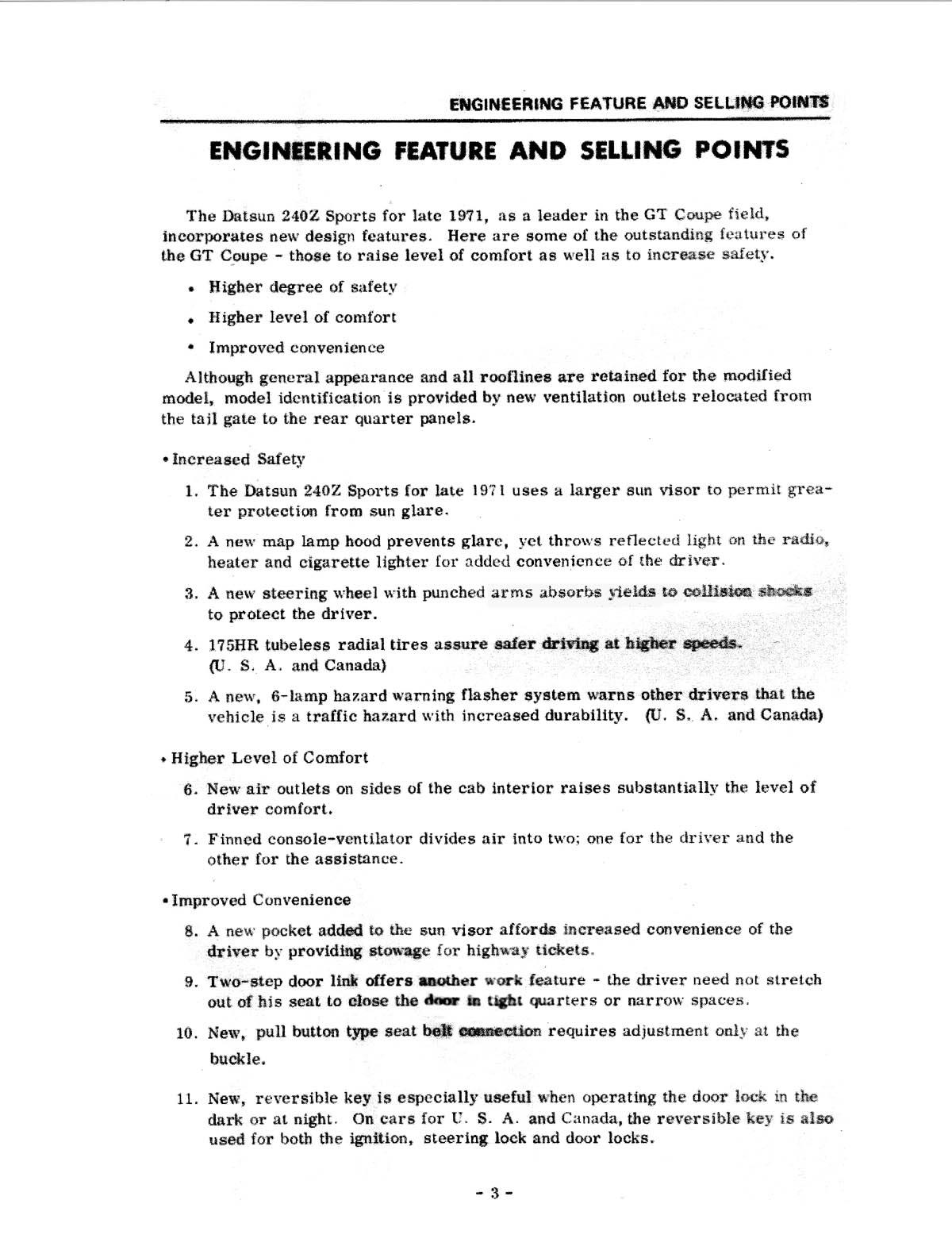
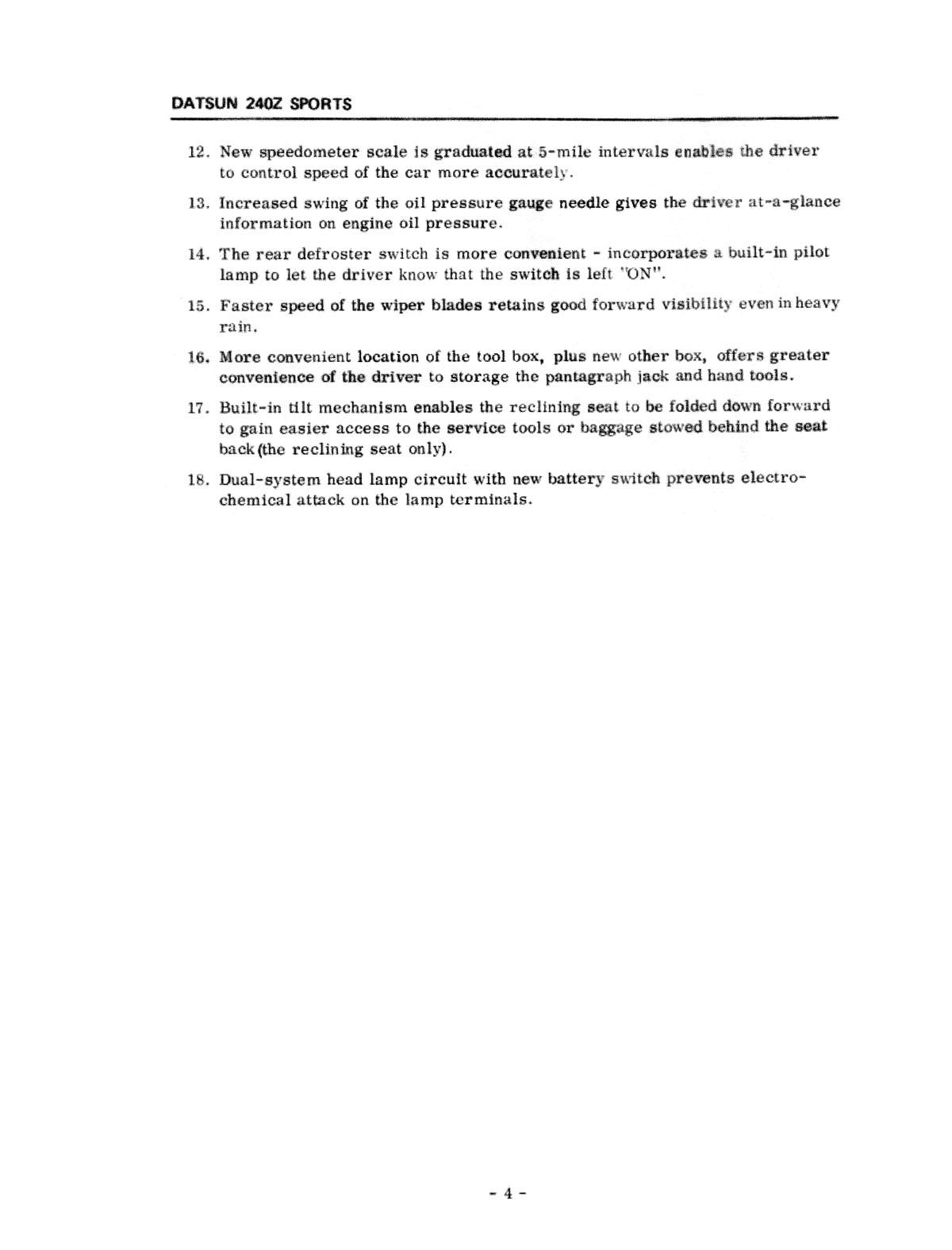
 I believe you are correct..Ground the positive wire at the gas tank - the gauge should swing to FULL.. If it doesn’t its the gauge - if it does its the sending unit, or a broken wire. Your Agreed Value is WAY to low today. It should be closer to $40K. Even then it would take a long time to find a replacement at that price.@madcow See: http://zhome.com/Racing/FuelTankVaporLineMod/FuelTankVaporMod.htmThanks forechecking in - we want to send them some of the failed pumps, so they can determine for themselves what the problem is. (it's a corporate thing...LOL). I have 3 new one's myself I bought as future "donors".Hi Guys - looks like "The Z Car Home Page" at ZHome.com is back on-line now.. thanks, CarlHi Guys: Thanks for the replies. I was aware of @zKars Posts and several other discussions here on the subject. When I initially contacted GMB about the issue, I gave them a brief summary from the Customers perspective along with hyper-links to several on-line discussions, 3 from the Classic Z Car Club’s forum. I also included links to the reviews from Amazon.com It seems from the Amazon Reviews - that they have been selling this pump since 2015. The Reviews on Amazon seem to be 5 Star in the 2015 to 2018 period, but then from 2018 to today they were getting 1 Star reviews. No one I could find had contacted them about their faulty product - so I thought it might be good to contact them and see what if anything they would do about it. I think all of us were happy GMB was providing a mechanical pump that “looked right”, and perhaps we all expected it to perform at least close to the OEM units in terms of reliability. I was hoping that once directly notified, GMB would address / correct the issue, and provide us with a pump that could be used for more than just donor parts.GMB 550-8040 Fuel Pump Failures: I have contacted and am now working with GMB of North America; in an attempt to identify the issue of infant mortality aka premature failure on their mechanical fuel pumps for our Z's. The issue has been widely discussed over the past couple years on different Z Car Forums and Face Book Pages. GMB Product Management has ask me if we could return 3 or 4 of these failed fuel pumps directly to them, so they can attempt to identify the problem. If you have kept one of these pumps that failed, would you be willing to package it up and return it directly to either me, or them? If so please contact me directly and we will work out the details - In addition to a response here - an Email would be best as it is most direct and easy to file/track. Email: beck@becksystems.com Please Put "GMB Fuel Pump" in the Subject LineThanks for the heads-up - - Small issue with the LAN - should be back on-line by end of day.Your Clutch Disc is most likely rusted and stuck to the flywheel. Put it out of gear and start the engine, warm it up and charge the battery. After its warmed up shut it off. Push the car out on the street, put it in 1st gear and start the engine (with the car in gear). Get it rolling about 15 to 20 mph - push the clutch pedal to the floor, at the same time you give it some gas and pull the Emergency Brake HARD! (to stop the rear wheels from turning - while keeping the engine running). That should break the clutch disc free of the flywheel. Might have to do it a couple times. When it breaks free you'll feel the clutch pedal regain some resistance (feel normal).The Black Pearl Metallic Paint was a $90.00 option on the 78 280Z. The Sports or Special Appearance Package was a second additional $199.00 option. See: http://zhome.com/History/BlackP.htmLooks like it might be a Black Pearl...did you get any original documentation with the Z?@Randalla Where Weaker is Better: New US Federal Motor Vehicle Safety Standards (FMVSS) were issued and put into force for all Vehicles Manufactured on or after March 1971 to be sold in the USA. One of them specified the amount of force at which the steering wheels had to break-away or yield. It was intended to lower the number of broken wrists and arms - when Drivers were thrown against the steering wheel. Much the same as earlier specifications applied to the collapsable steering column requirements. To meet that standard, the original design steering wheel had to weakened and it was done by punching out the former indents in the steel. Figuring out how to meet that new standard most economically; and putting it into production - was one reason the Series II 240Z’s had to be put into production by or before March of 1971. So the weaker and safer steering wheel started with the Series II cars at HLS30 21001.@Randalla Sorry I had to be away from this for a few days - but getting back to your original Post. The 2400 Valve Covers were used on all 240Z’s arriving here produced up until the first 240Z’s with A/T started to arrive. The 240Z’s with A/T that we saw at the time, came though with the OHC valve covers, and soon that followed on the manual shift cars. I do not believe we ever pinned it down factually to a specific VIN range - - but that was on cars produced in 08/71 and VIN ranges around 8000. If some original owner had a 240Z produced in 09/70 with a 2400cc valve cover in the 9000 VIN range it wouldn’t surprise me - but I seriously doubt we received more than 9000 or 10,000 2400 cc valve covers - and that is why today they sell for $450.00+.Throw them out or use them? You are pulling our leg! Auto Manufacturers warehouse massive inventories of NOS Parts, to supply their Dealers and Customers with repair and replacement parts for years into the future. It is a huge Profit Center. Among all of them I’ve ever dealt with - Nissan supplied NOS parts far longer than anyone else - 25+ years after initial production you could get just about anything over the Nissan Dealer Parts Counter. Silly to think that the production/assembly lines would be faced with using up left over parts, or that they would start production of a new model without having all the necessary parts needed to feed an assemble line. Granted that we did see a few “mistakes” at the very end or very beginning - but what we see today on 50 year old examples passing though unknown numbers of previous owners is really proof of nothing. If the 260Z was a hodgepodge - the reason was ever and quickly changing US EPA, DOT-FMVSS standards at the time. All the auto manufacturers selling vehicle in the USA had to deal with that situation; and I think Nissan did a admiral job. Especially considering the very low production numbers of the Z Cars; by US standards any production vehicle selling less than 100K units per year is almost a limited production example. Ford sold 385,993 Mustang II’s in 1974, Chevy sold 151,000 Camaro’s in 74 where Datsun sold about 150K units in Four Years!.According to Nissan, some 18 new improvements were incorporated into the 1971 LATE MODELS - aka Series II - the second series of chassis serial numbers starting at HLS30 21001 and HS30 00501. All 18 of these improvements were made at the Model Change Over.
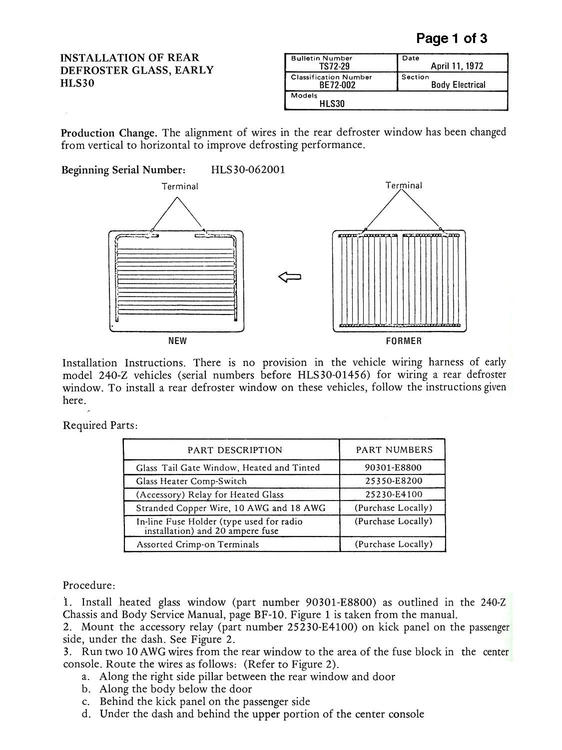
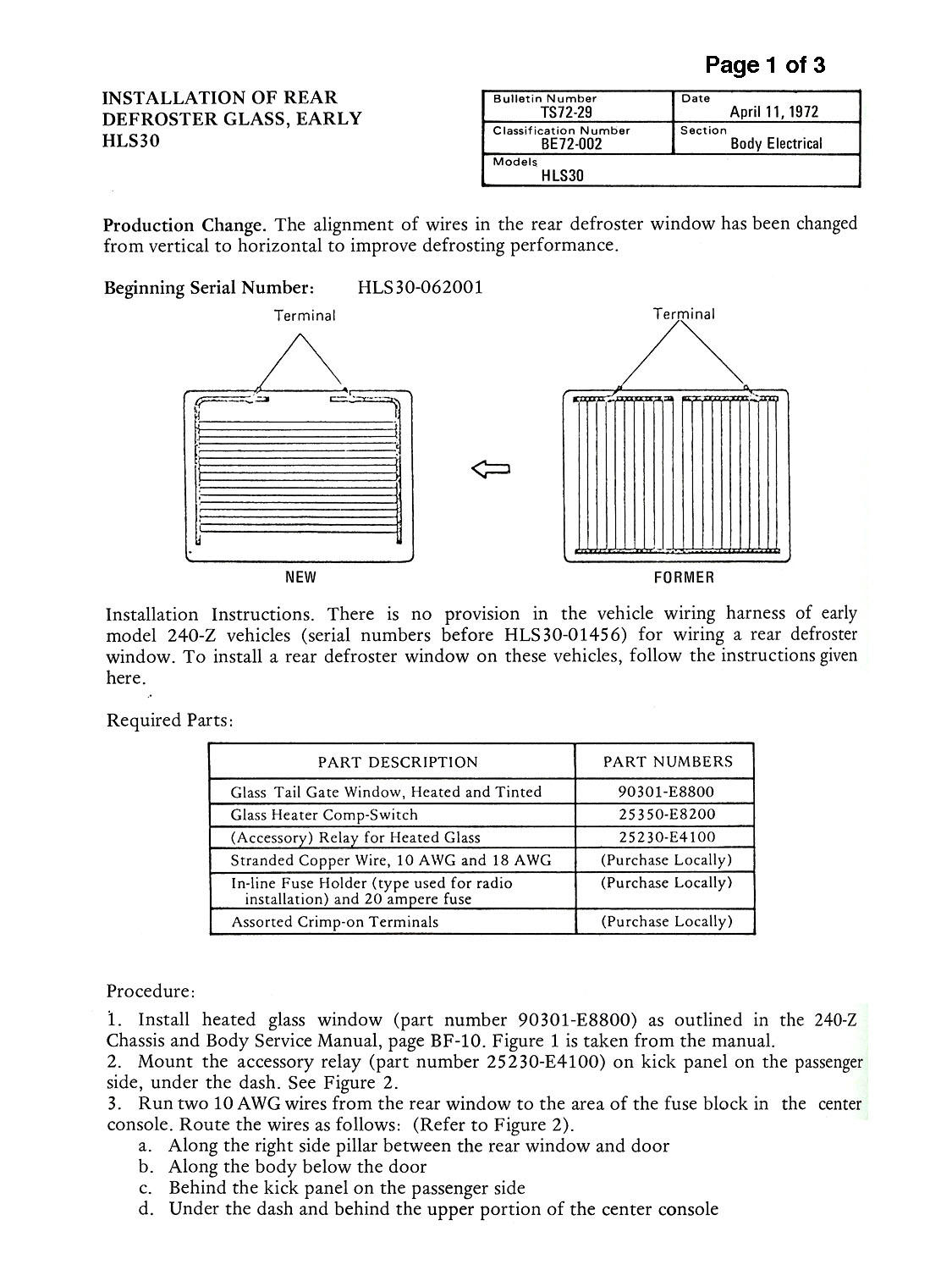
 The switch from Vertical to Horizontal Defroster Lines - took place at VIN HLS30 062001 - Jan. 1972
 As the sticker says - "Vehicle Emission Control Information”- - it is not a performance spec. Customers that wanted a performance tune knew what to do. Still in several States they had to pass annual vehicle emissions tests to keep their cars registered for road use. Customers in the USA wanted cleaner air and the largest Customer Base that was almost fanatics about it was in California; where some 20,000,000 people were choking on pollution almost monthly. California lead the demand for the reduction of automotive exhaust gas pollution, with their California Air Research Board setting State Level Standards, restricting exhaust gas pollution and gasoline vapor pollution over and above the USA Federal Standards which were the strictest enforced in the world. So for daily driving a Sports/GT Customers were more than happy to give up a couple HP for cleaner air; especially in a car where losing a couple HP wouldn’t even be noticed in day to day traffic.Chris, I'd say they were five digit serial number up to 100000 - - HLS30 100095 had a date of Mfg. of 08/72 and the highest VIN for a 72 Model we have found so far is #101398 in Portugal.


Important Information
By using this site, you agree to our Privacy Policy and Guidelines. We have placed cookies on your device to help make this website better. You can adjust your cookie settings, otherwise we'll assume you're okay to continue.