HS30-H
Supporting Member
-
Joined
-
Last visited
Everything posted by HS30-H
-
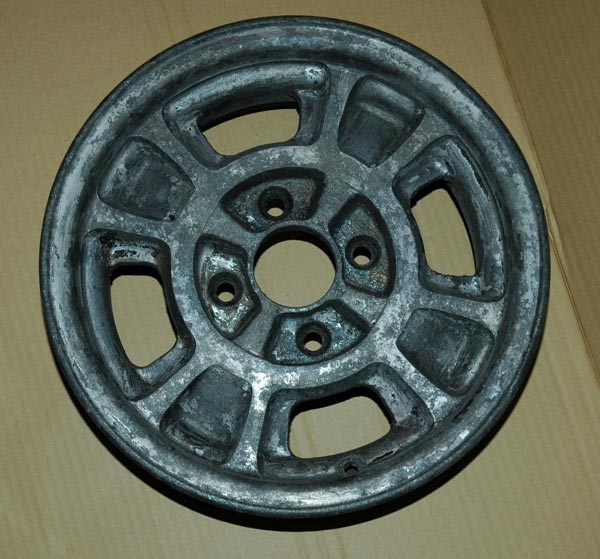
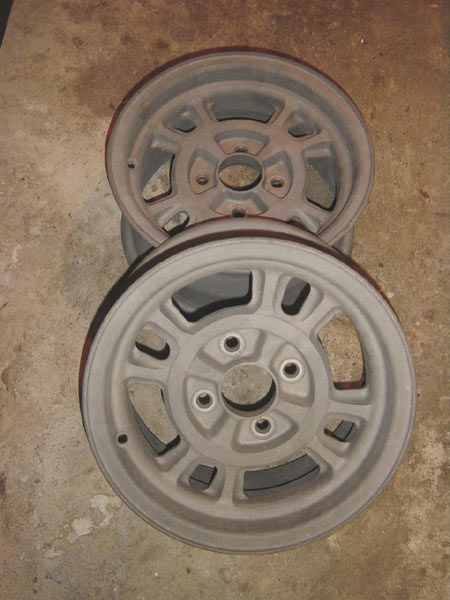
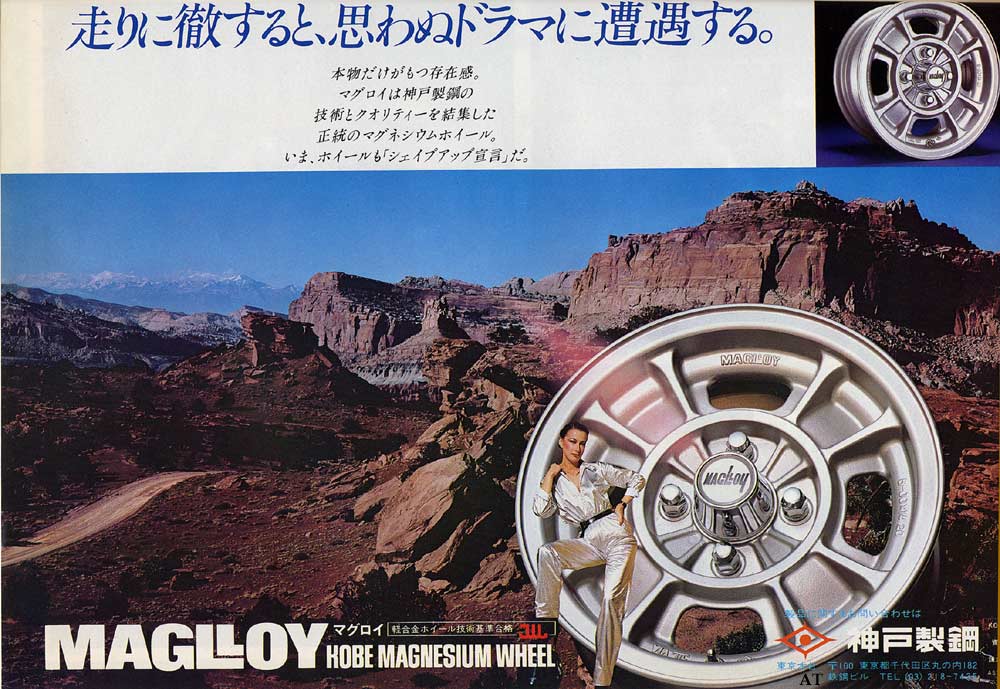
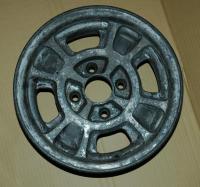
Hold on, let's get this straightened up before it gets out of hand. The picture that you posted is of a Kobe Seiko 'Maglloy' wheel - which Kobe Seiko manufactured and sold to the general public as their own design from the mid 1970s. This was essentially the same pattern that they manufactured for Nissan ( used as standard equipment on the Fairlady Z432 ) but with some small detail alterations and some added lettering to differentiate it from the OEM Nissan items. Kobe Seiko made a number of different wheel designs for Nissan to use on the S30-series Z: *Original 432 wheel. Cast magnesium. Fixing points for a small centre cap. Also quoted as an 'Option' part for the S30 Fairlady Z-L and S30-S Fairlady Z. Manufacturing date was stamped onto each wheel, as magnesium was recognised as having a limited life expectancy for safe road use. Usually painted dull gunmetal colour. ( Chief Designer Yoshihiko Matsuo wanted all models of the S30-series Z to have 4-spoke alloy wheels, but this was overruled for reasons of cost - so only the 432 got them in the end ). *Works 'Rally Mag' wheel. Cast magnesium. No centre cap fixing points, and 'vented' spoke castings. Manufactured in 6jj x 14 and ( more commonly used ) 7jj x 14. No manufacturing date stamps. Never sold to the general public, and supplied only to Nissan for their 'Works' rally cars. Usually painted dull gunmetal colour. And then in the mid to late 1970s, after the above wheels were no longer being made for Nissan, Kobe Seiko dusted off the original design and made some modifications. They sold these wheels as: *Kobe Seiko 'Maglloy' wheel. Cast magnesium ( some also later manufactured in aluminium ) and fully tested / licensed for use on road cars. Clip-on centre caps. Usually painted silver. Private restoration companies have in the past recreated both the '432' mag and the Works 'Rally Mag' in limited editions ( made from aluminium for longer life ). These pop up from time to time to confuse matters - but the fact that they are aluminium and not magnesium usually indicates their status as replicas. See pictures below for illustrations of the above three 'types' of Kobe Seiko wheel. Trivia department: Kobe Seiko were active during the Pacific War years, and manufactured all sorts of castings and forging for the Japanese military. One of their specialities was wheel manufacture, and they made many of the magnesium wheels for Japanese army and navy aircraft - including those on the legendary Mitsubishi A6 'Zero Sen' fighter.......... Alan T.
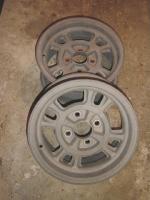
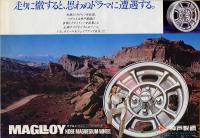
-
Ha! You're slacking, Mr W. I just took a peep at my one and only USA-market R-Drive parts list too, and its there alright ( although slightly different to the RHD Export market versions ). Did these pages not make it onto the CD-Rom then? That's a pity if so....... Alan T.
-
Oliver, I remember speaking to the owner of the car at Sagamiko. Some of the parts were nice, and some of the engineering work on the car was good, but I don't think we shared the same viewpoint on matters of taste........ I think I made some notes at the time or shortly afterwards. I'll see if I can dig them up. Bear with me whilst I try to find them.......... Alan T.
-
I think that's very unlikely.
-
I guess if all else fails, you could always resort to the drastic measure of asking the person who took the photo whether he knows anything about it..........
-
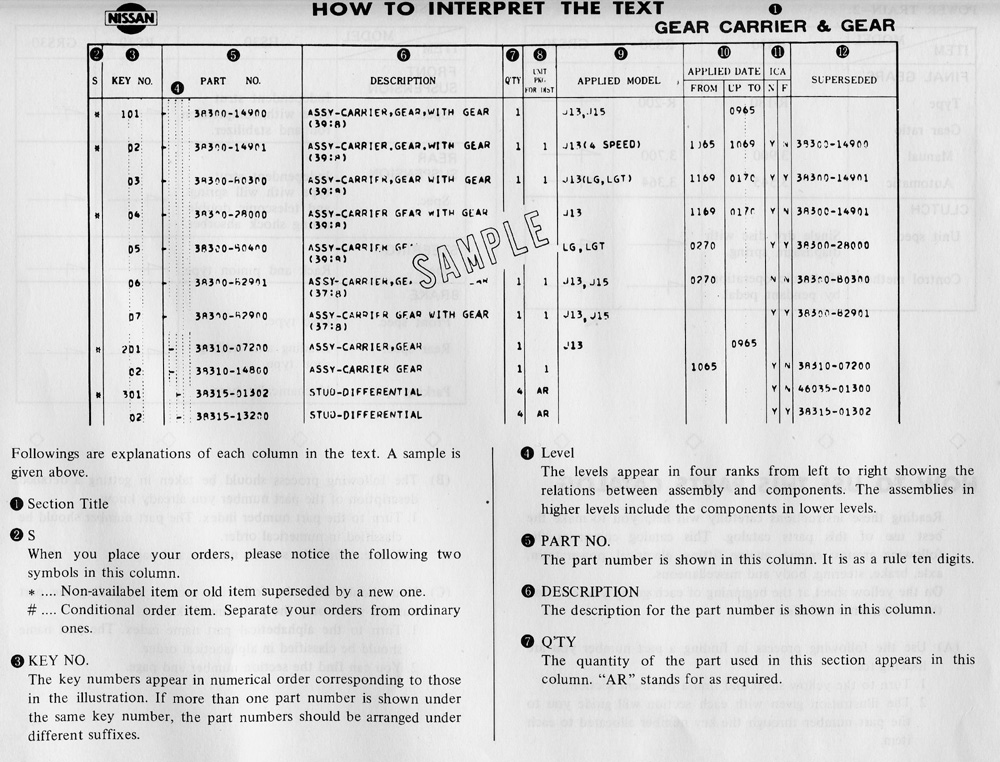
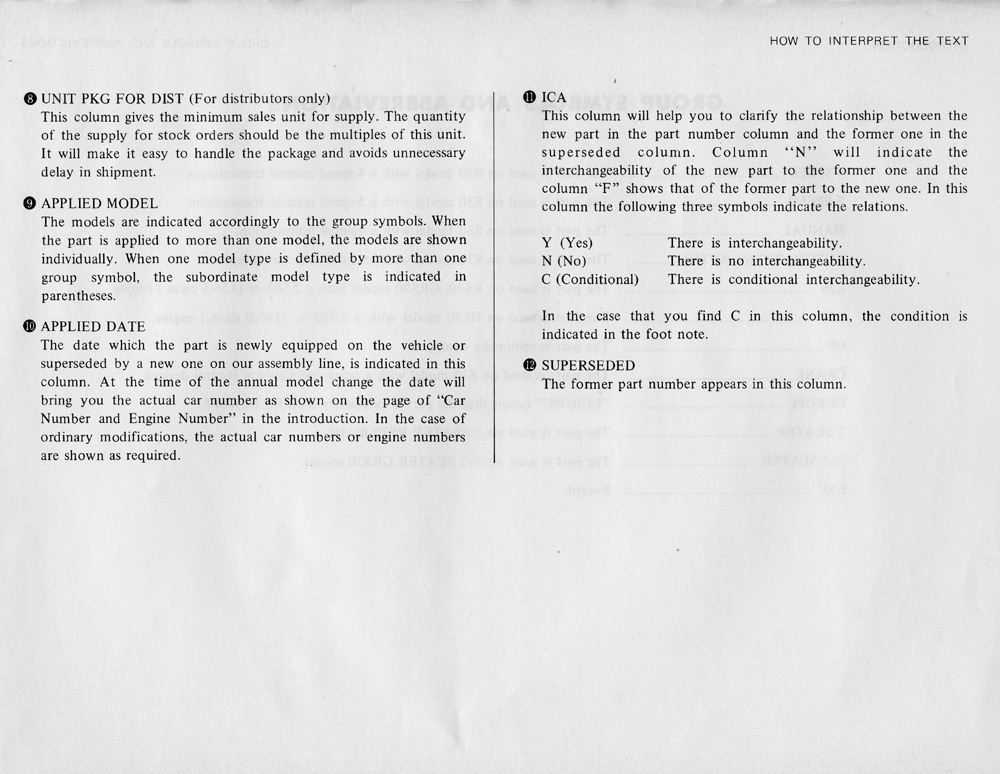
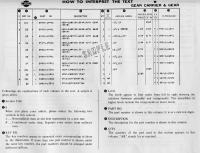
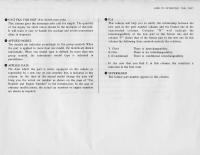
AZ-240z, These scans of two "How To" pages from the paper editions of the Nissan 'R-Drive' parts lists should give you all the information you need:
-
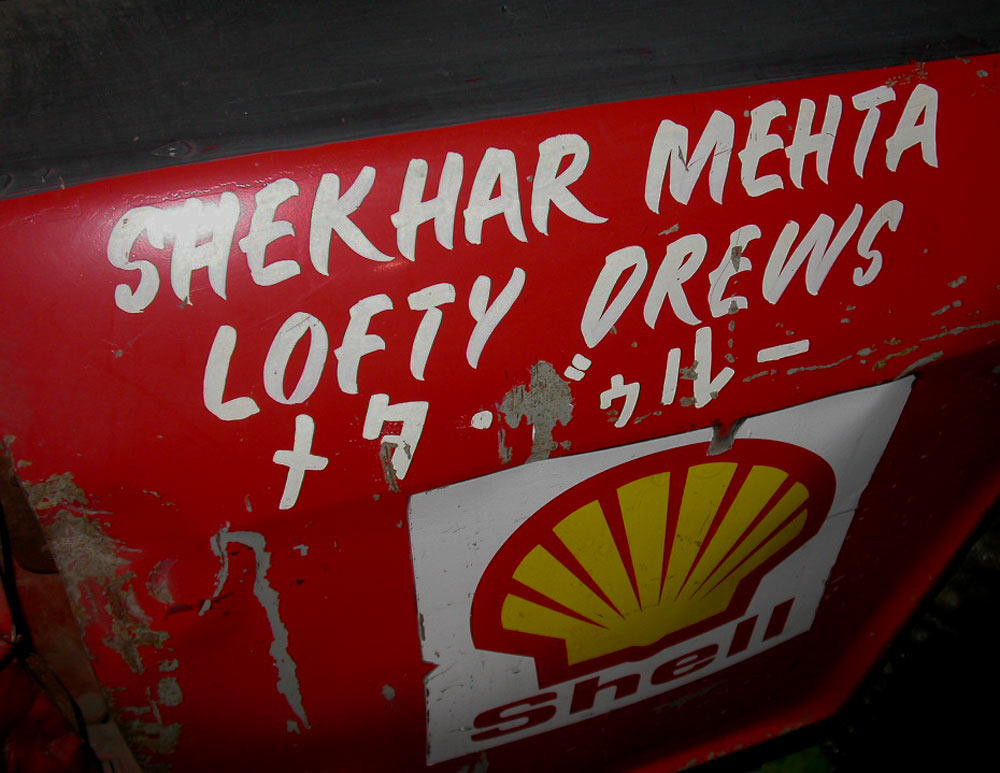
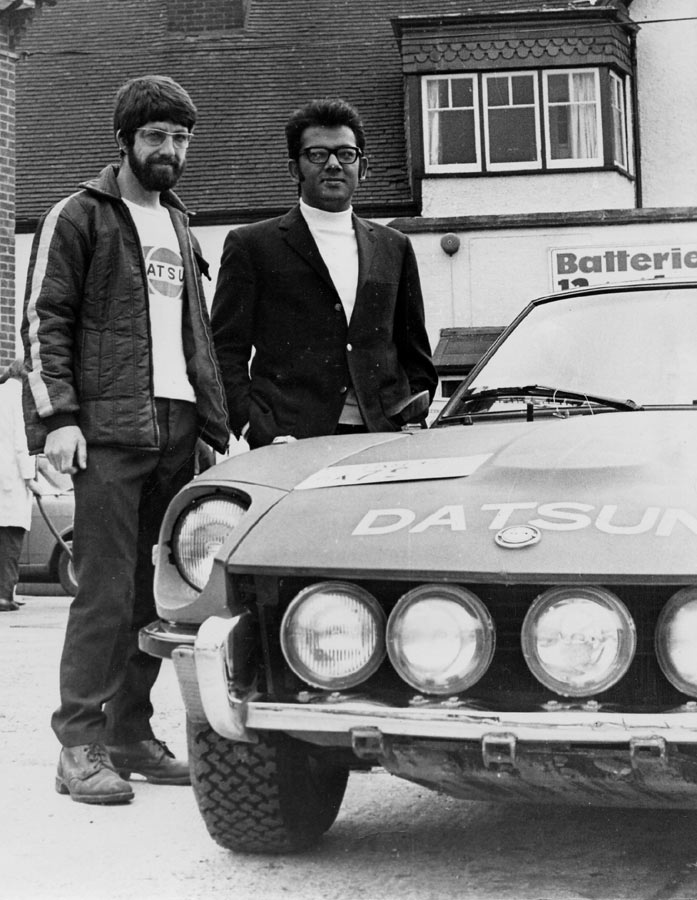
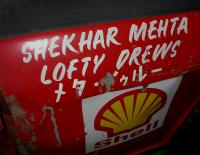
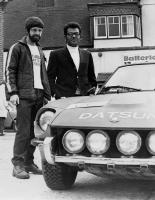
Sad news. Mr Shekhar Mehta passed away in a London hospital on 12th April 2006 after a short illness. He was taken ill on the island of Corsica, where he was attending to his duties as the Rally Commissioner for the FIA on the 'Tour De Corse' round of the World Rally Championship. He was just 60 years old. Born in 1945 - a Ugandan of Indian extraction - Shekhar entered his first competitive event in 1966. He went on to win the East African Safari Rally a total of 5 times - four of them in 'Datsun'-branded cars. First of these ( in 1973 ) in a Works Datsun 240Z co-driven by Lofty Drews - the second Safari win for the 240Z. Shekhar rallied all over the world, in famous events such as the RAC Rally in the UK, The Monte Carlo Rallye, The Southern Cross Rally in Australia, The TAP Rallye in Portugal, The Acropolis Rally etc etc - as well as many national and club events here in the UK. Acknowledged as a fast and flamboyant driver ( sometimes, to be fair, slightly overexuberant ) Shekhar made a big impression wherever he drove, more often than not pictured with a smile on his face and a glint in his eye. He will be sadly missed. Sincere condolences to his wife Yvonne and son Vijay. Alan T.
-
Would you happen to know which particular Works car these actually came from? Is the history ( fate ) of the particular car known? I have an ongoing project tracking the histories of the Works 240Z & 260Z rally cars, and would be interested to hear why these carbs were taken off the car in question. Usually this would mean that the car had been crashed and split for spares. Cheers, Alan T.
-
Well, seeing as these are Japanese cars - it might actually not be such a bad idea. Especially for those of us that own Japanese-market models - like the member who started this thread. But I don't think you need to read Japanese to understand the information contained in the page scan I posted - its just common sense. No - I like it just fine thanks. The view is great, and the air is a lot clearer too. Alan T.
-
I remember we discussed this point here on the forum at least once in the dim and distant past. I can't remember the thread though. In 1973, Nissan were already using FIA-sanctioned and homologated parts that took capacities up to 2868cc ( 2870cc in practice ) for the Group 5 class - so the question of capacity on its own is not the sole issue. With regard to the 'L28' engine itself, Nissan homologated this in April 1975 with an amendment to the original homologation ( JAF no. GT-010V-23, FIA no. 3023 19/17V ) which also brought in the stock fuel injection system and related equipment: QUOTE: "Applicable to H(L)S30 and R(L)S30 model series. Another type of electronical controlled gasoline injection 2800 cm3 engine can be selected for H(L)S30 and R(L)S30 cars as maker's option. Serial Number for production car will be start from No. H(L)S30-270001 for chassis and No. L28-000001 for engine." I don't know about elsewhere in the world, but here in the UK most of the historic rally Z cars nowadays use a capacity of over 2800cc in the '240Z' and '260Z' for events run to the RAC MSA rules. But when they want to compete in events with strictly-enforced FIA regulations, they are forced to use 2400cc base capacity. Generally speaking, the rules and regulations of the local ( organising ) body of the event in question are the ones that you have to conform to. Here in the UK, that often means that modifications have to conform to known 'in-period' precedents, or what can be proved to have been used in-period. Its a case of 'Prove It - Or Don't Use It'. Alan T.
-
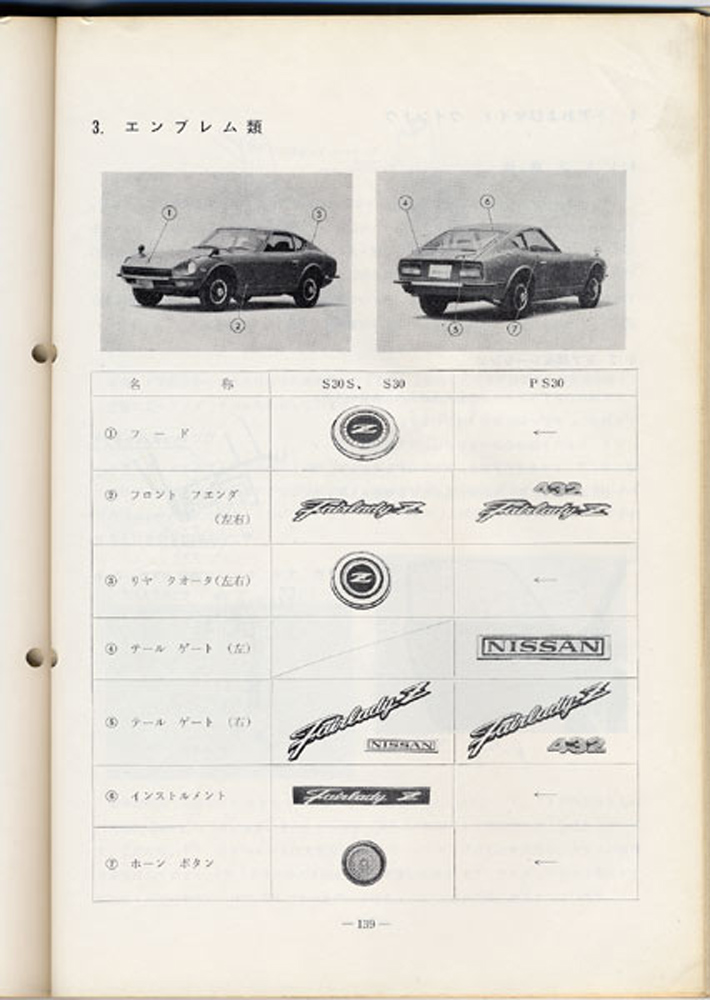
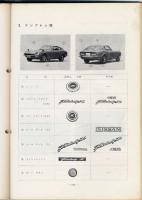
The '432' emblems belong on the 'PS30' model Fairlady Z432. If you haven't heard of that model, I suggest that this site's SEARCH function will provide many pages of educational reading for you. What you perhaps didn't notice was that the scan I posted also contained full information on the emblem types - and their relevant positions on the car - for the 'S30S' ( Fairlady Z ) and 'S30' ( Fairlady Z-L ) models of the period that new member '7th Z' asked about. Alan T.
-
A 1971 Fairlady Z wouldn't have left factory with the word 'Datsun' anywhere on it. Its a Nissan.
-
You got his approval in writing? Wow. I'm speechless.
-
Hi Carl, Perhaps you have a different viewpoint than mine with regard to verification and documentation of a car's existence? My personal attitude in this kind of situation ( ie - trying to establish whether a car or cars plural with particular VIN / body number(s) ever actually existed ) is that I don't necessarily expect to find the actual car(s) concerned. I'd just be happy to establish that they existed at the time concerned. I don't actually expect HS30-00001, HS30-00002 and HS30-00003 to suddenly turn up out of the blue to let us examine them and establish when they were actually built. Without this physical evidence, I think it is very presumptuous to write: ""Special Note #1: The first "HS30" Series Datsun 240Z's started production in Jan. or Feb. of 1970." At the present time, it seems to me that the likely build date of HS30-00004 has been established - but this should not necessarily be taken to mean that the three cars given the numbers preceding it were made hours or even days before it. It could have been several weeks or indeed months. We have discussed the matters of 'Sekkei Shisaku', 'Gijyutsu ( Kojyo ) Shisaku' and 'Seisan Shisaku' on this forum before - and we should not forget that a total of 61 "prototypes" were reported to have been made ( with at least the 'Seisan Shisaku' cars being assigned a full VIN and body serial number ) - so we could go back to that philosophical discussion about when a car is a car, and what constitutes a physical identity. In the case of the very first 'HS30' prefixed cars, I'd say that since it is highly likely that HS30-00001, HS30-00002 and HS30-00003 actually did exist, we would have to be very foolish to discount the likelihood that they were made some time in late 1969 and were 'Seisan Shisaku' cars, and were therefore assigned a full VIN and body serial number. OK - I understand the frustration with that myth, but aren't you also failing to mention a very important factor here? I believe this happened at the time when you still believed that the 'HLS30' and 'HS30' shared a body numbering sequence, correct? Wasn't there a lot of confusion caused by body numbers due to that misconception? For example, something like where 'HS30-00035' was known to still exist, but so was 'HLS30-00035'? Surely that was part of the reason why you wanted to promote that "first 500" as being 'HLS30' cars? Unfortunately, I think most people who read zhome.com would come away thinking that the first 500 of all S30-series Z cars were 'HLS30U' models. Which is not the case is it? Here again I would say that to "find" the car might be a hope too far. I'd be satisfied to establish that it was likely to have existed in the first place, and that physically finding the car ( 36 years later ) might be unlikely. Since it is clear that cars with the same VIN prefix and body serial numbers preceding 00013 did exist, I think it is almost certain that HLS30-00013 existed too. You might be looking for these early cars in the wrong place. I think it is possible that a car or cars around that number could have been sent to Europe - for the 1970 Geneva show for example. We should not forget that the 'HLS30' VIN prefix was not exclusive to the North American market. And I would have expected Nissan to keep several examples of early 'Seisan Shisaku' cars in or around the factory for all sorts of reasons too. Alan T.
-
They were not officially sold in Export markets by Nissan - so any that were exported ( like yours ) would have been unofficial private imports to the countries they went to. I don't think there's any way that figures for such cars can be collated on the Japanese side, but the government agency that deals with vehicle registration in NZ might be able to tell you how many similar models are in NZ. "Rarer"? Well, yes I suppose you could say that it is rarer than the majority of S30/S31-series Z cars in the world - but as a pretty late Japanese market '2by2' model it is not exactly the most sought after either. That's just the way it is, to be honest. I wouldn't worry about such things though. Just enjoy having something out of the ordinary. If you really want to pin down its identity as either a Z-L or Z-T you will have to do some further research on its specifications and options. If you happened to have any documentation from Japan that came with the car then that would be a great help. Basically, the more high-level spec items and options that you can tick off make it more likely to be a Z-T. Good luck, Alan T.
-
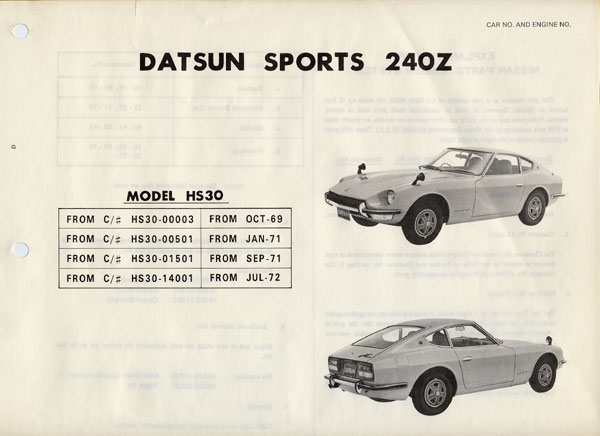
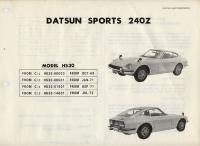
I agree. Unfortunately, there are myths all over the place: Quote from zhome.com: "Special Note #1: The first "HS30" Series Datsun 240Z's started production in Jan. or Feb. of 1970." I know what "started production" means to me - but others may not agree. Here's a little bit of evidence from Nissan themselves:
-
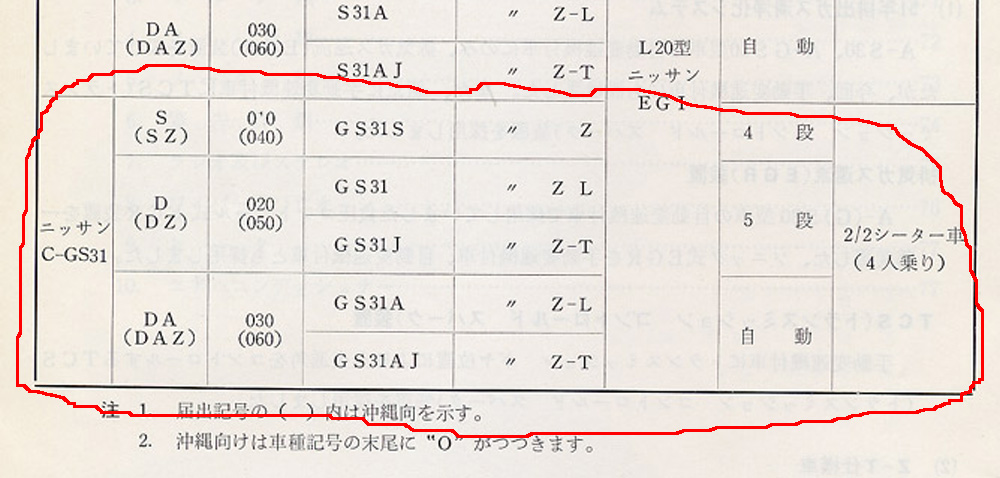
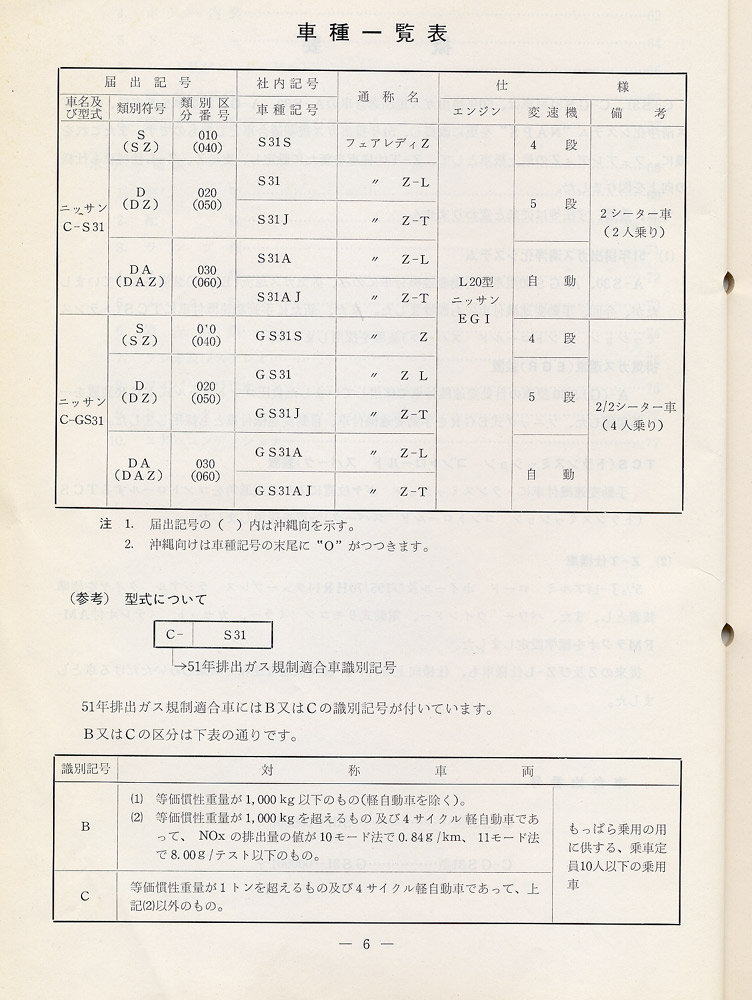
If there's anything you don't understand about the model chart I posted, just ask. I think its actually more simple than you think. See the file attached below for explanation: Looking at the rows from left to right, your car is a '2by2' - so you can ignore the 'C-S31' 2-seater rows and just focus on the 'C-GS31' rows below it. If your car didn't come with a four-speed transmission from the factory, you can be fairly sure that it probably wasn't a 'GS31S' base-level 'Fairlady Z' model ( although somebody might have specified the four-speed as an option ). So you can now focus on the four remaining types: 'GS31', 'GS31J', 'GS31A' and 'GS31AJ'. If your car doesn't have an automatic transmission, you can forget about the 'GS31A' and the 'GS31AJ'. Which leaves you with the possibility that your car is either a 'GS31' Fairlady Z-L or a 'GS31J' Fairlady Z-T. The main difference is in the trim levels - the 'Z-T' was a higher spec than the 'Z-L'. If you have electric mirrors then it is quite possible that it is a 'Z-T'. Alan T.
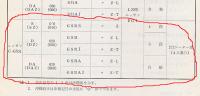
-
Kind of - but the S130-series had a bigger range than the S30-series ( as you can see ), and there were three steps in trim levels instead of two: 'Fairlady Z' ( S130S ) was the no-frills entry-level model, and then there were the 'Fairlady Z-L' ( S130 ) and the 'Fairlady Z-T' ( S130J ) in ascending order of price. This three-step spec level choice carried on up through the sub-models. You can see that the structuring of the codes was similar to that of the S30-series, but there were more models to choose from. No, no L28ET in a Japanese S130-series Z from the factory. Alan T.
-
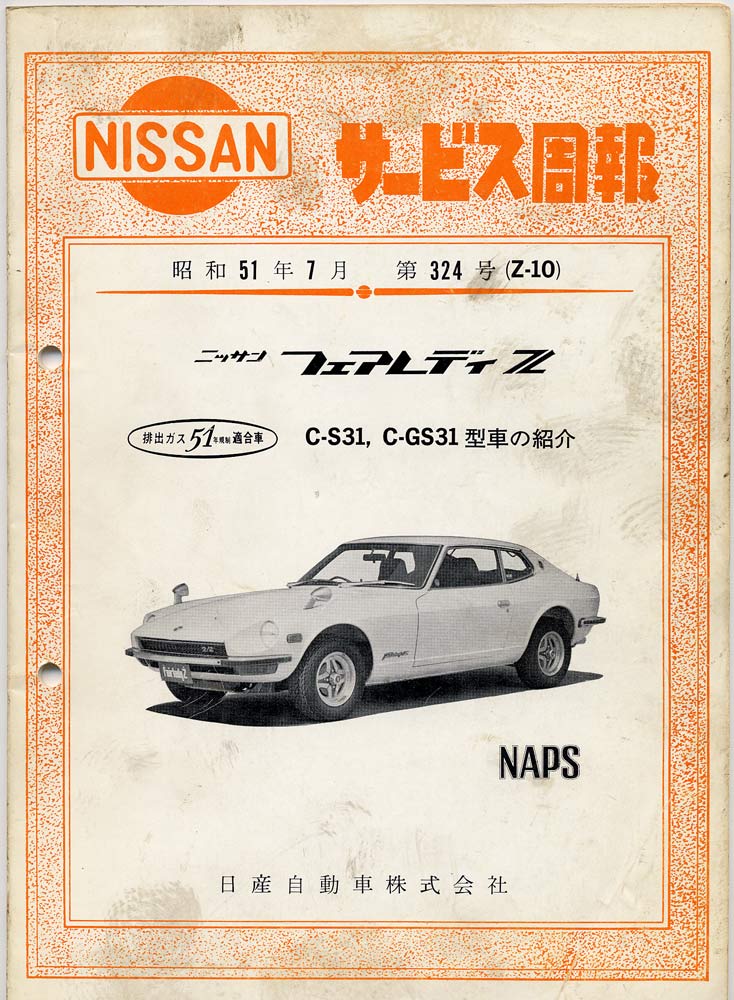
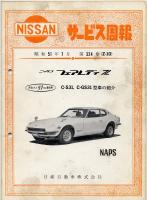
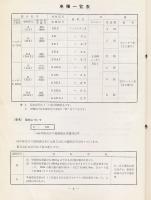
The 'C' prefix denotes models that were fitted with extra anti-pollution equipment, in order to be compliant with the stricter regulations phased in during 1976 ( Showa 51 ) in Japan. Here's a scan of the Nissan 'Service Shuho' manual which covers those models, with a page that explains the model breakdown and the anti-pollution compliance specs:
-
Japanese market S130-series full model lineup: *S130S = Fairlady Z ( 1978~83 ) *S130 = Fairlady Z-L ( 1978~83 ) *S130J = Fairlady Z-T ( 1978~83 ) *GS130 = Fairlady Z-L 2by2 ( 1978~83 ) *GS130J = Fairlady Z-T 2by2 ( 1978~83 ) *GS130S = Fairlady Z 2by2 ( 1978~83 ) *HS130 = Fairlady 280Z-L ( 1978~81 ) *HS130J = Fairlady 280Z-T ( 1978~83 ) *HGS130 = Fairlady 280Z-L 2by2 ( 1978~81 ) *HGS130J = Fairlady 280Z-T 2by2 ( 1978~83 ) *KHS130JBC = Fairlady 280Z ( T-bar roof ) ( 1978~83 ) *KHGS130JBC = Fairlady 280Z 2by2 ( T-bar roof ) ( 1978~83 ) *KS130J = Fairlady Z ( T-bar roof ) ( 1980~83 ) *KGS130J = Fairlady Z 2by2 ( T-bar roof ) ( 1980~83 ) *S130ST = Fairlady Z Turbo ( 1982~83 ) *S130T = Fairlady Z-L Turbo ( 1982~83 ) *S130JTB = Fairlady Z-T Turbo ( 1982~83 ) *GS130T = Fairlady Z-L 2by2 Turbo ( 1982~83 ) *GS130JTB = Fairlady Z-T 2by2 Turbo ( 1982~83 ) *GS130ST = Fairlady Z 2by2 Turbo ( 1982~83 ) *KS130JTB = Fairlady Z Turbo ( T-bar roof ) ( 1982~83 ) *KGS130JTB = Fairlady Z Turbo 2by2 ( T-bar roof ) ( 1982~83 ) Alan T.
-
S30-series and S130-series are completely different generations. I won't bring the S31 into the equation for fear of confusing the issue even more! USA ( North America? ) only, I'm sure. Yes, always alongside eachother. Japan always got more model choice and options than any other territory. I'd be reticent about tarring all the L20-engined versions with the same brush ( "lesser?" - oh dear ) as the L20ET versions were arguably better than the n/a L28E versions...... No. Two different generations. I think that is the source of the confusion here. Exactly that. No such creature available in the Japanese market. It didn't exist. Perhaps this was a Brigadoon that only appears on April 1st? :-) That's it in a nutshell. The model names cause confusion, especially when the Japanese market is largely ignored and misunderstood. This kind of confusion is rooted in the fact that we don't see the different generations of Z as small families of different models for different markets. If we look at one market ( and often one model ) and then decide that this particular model represents the whole range, we are bound to get confused eventually. This reminds me of the comments of my neighbour. He saw me working on my project car in my garage ( its a 1970 Fairlady Z-L that I'm turning into a 432-R clone ) and he said "Wow - what's that, have you got another 240Z?". "No", I replied, "It's a Fairlady Z-L". "It looks just like a 240Z" he said. "Not quite the same thing - but they were pretty much the same shape" I explained. He looked thoughful for a moment, and then said: "So what you are saying is, its really a 240Z - yes?" Er, no! Alan T.
-
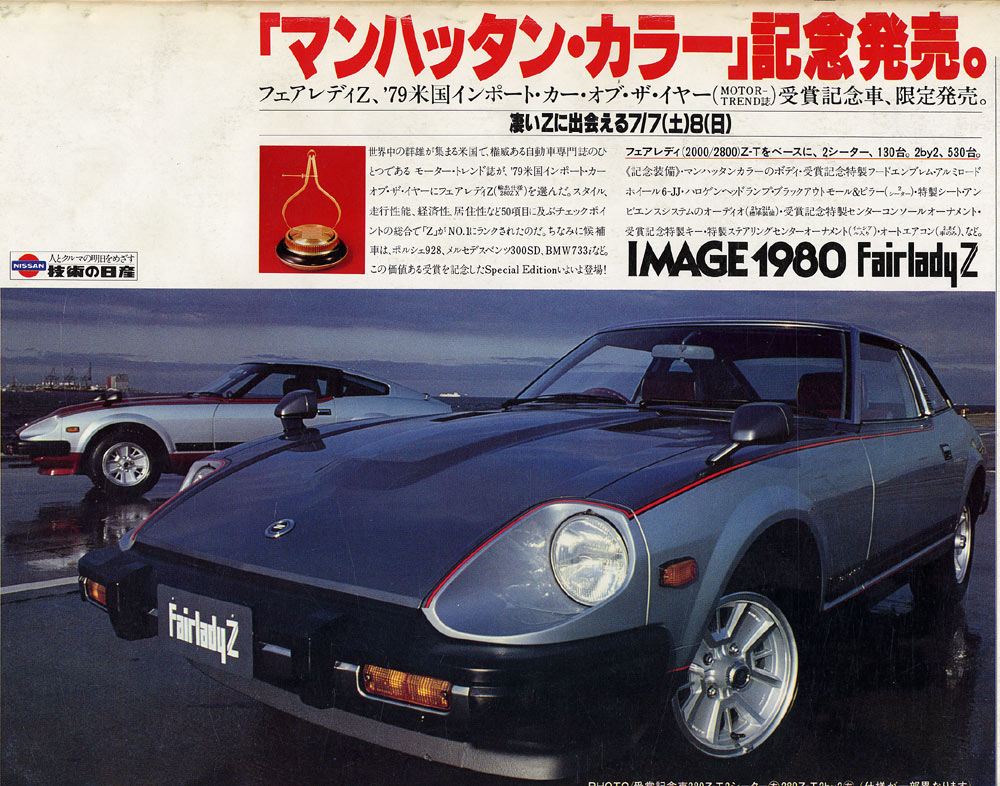
Japanese market S130-series models never got the 'X' suffix on their names. Here are the L28-engined models: *HS130 = Fairlady 280Z-L *HS130J = Fairlady 280Z-T *HGS130 = Fairlady 280Z-L 2by2 *HGS130J = Fairlady 280Z-T 2by2 *KHS130JBC = Fairlady 280Z ( T-bar roof ) *KHGS130JBC = Fairlady 280Z 2by2 ( T-bar roof ) I'm not listing up the 2 litre engined versions ( there's hundreds of 'em ). Here's a late 1979 Nissan ad:

-
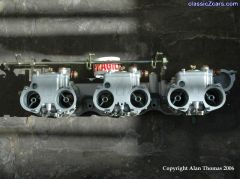 Vapour blasting is where a very very fine media is mixed with a heated liquid ( often containing degreaser and other potions ) and fired at high pressure. It is good on alloy castings because it doesn't break down the surface layer - it just seems to smooth it off without losing detail. The finish is easy to look after too. I don't know too much about the actual process ( I couldn't see inside the booth! ) but I do know it is more expensive than ordinary media / bead blasting. I'd use it on everything if it wasn't so pricey......... I think Prince especially had a soft spot for Weber, and it seems that they were well respected in Japan - especially for racing. I think the main problem was that they were very expensive to import and use on Prince and Nissan production cars in comparison to licensed designs such as the Mikuni version of the Solex patent.
 -
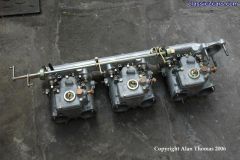 Well, with the higher compression pistons, ported head, different cams and exhaust manifold I'm using, I would have had to fit bigger venturis into the Mikunis and re-jet them too. The 45DCOE-9 Webers I already had on the shelf for a long time ( so they were 'in stock' so to speak ) and Nissan used that model on some of their race S20 engines. With 36mm venturis they are just about ideal for a pepped-up S20, and I have plenty of spares and jets for them. Plus I grew up with Webers, so I know where I am with them. This particular set are nice and early - just about the correct period for the engine. I can stash the original Mikunis for any future needs.
 -
Jim, That red rally car is a '280Z' - but it is a Japanese-market S130-series 'Fairlady 280Z' ( note the lack of the 'X' ). This often causes confusion. Alan T.