




Zed Head
Community Member
-
Joined
-
Last visited
-
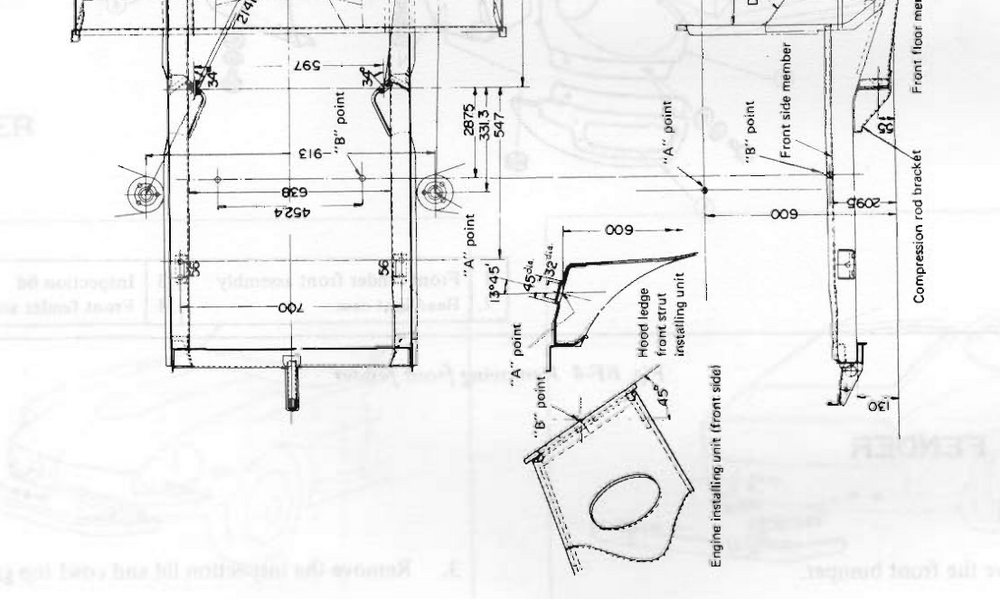
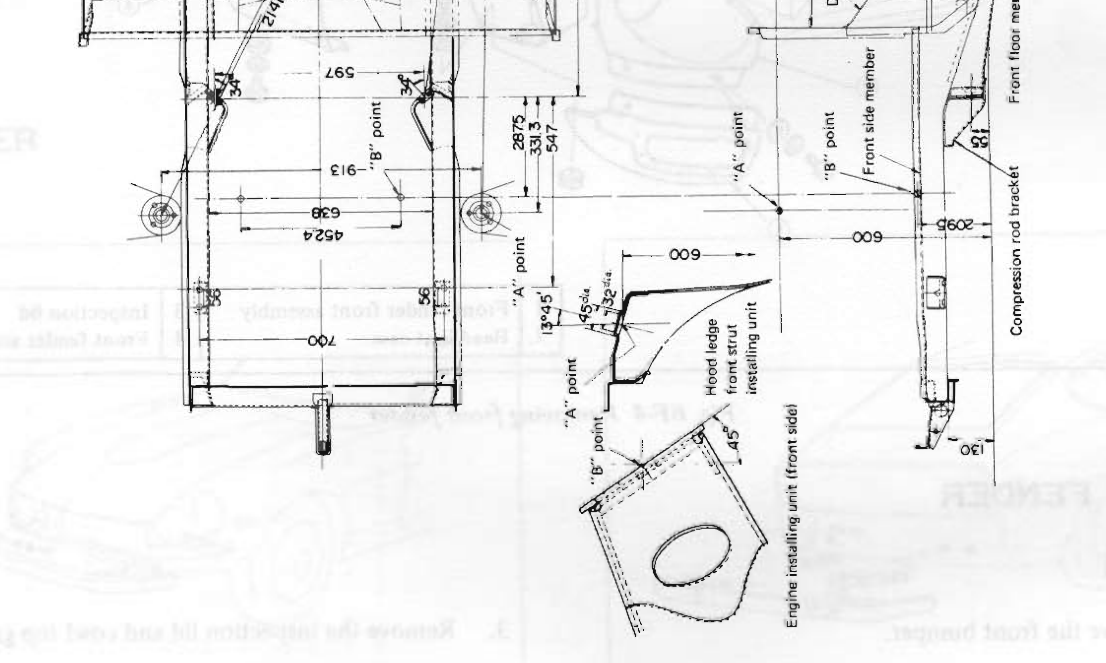
Do the illustrations in the Body chapter have any value? 1972 -
-
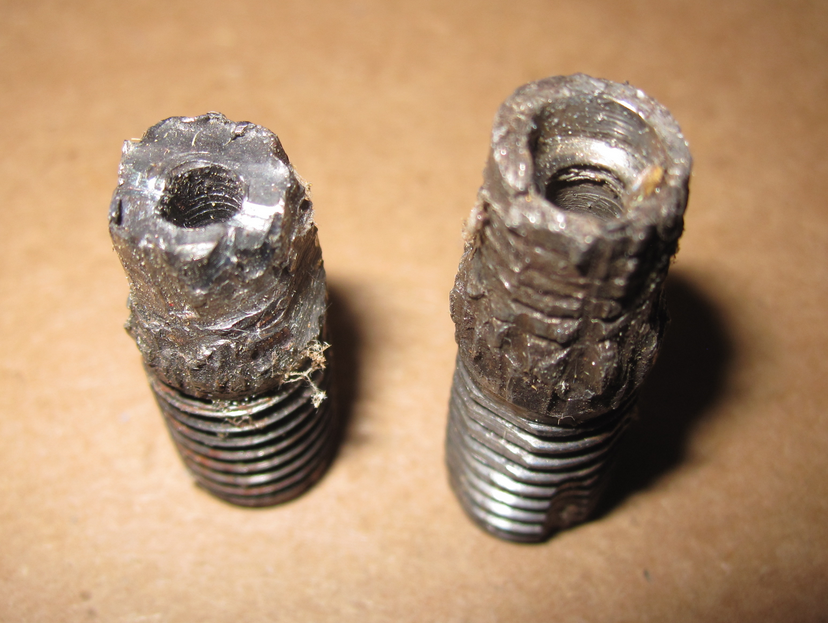
I have learned to anticipate repairing or correcting aftermarket parts before I install them. Some repairs are simple like chasing threads, other more complex like disassembling, cleaning, and reassembling. The fuel level function can be tested before installation, no need to soak it in gasoline. I would guess that it might even be possible to swap parts from an aftermarket assembly over to an OEM sender to get it to function correctly. For the money involved, it might be worth the time. Buy a cheap aftermarket assembly for the parts.
-
The best way to test the injector circuits is with a fast-acting light like a NOID light or with a spare injector. If you find that the injectors aren't being opened by the ECU then you can focus on that. But you might find that the injectors are being "commanded" open but aren't. They can rust shut. Or maybe they are opening but they're squirting water. Maybe you put 5 gallons of diesel in by accident. Just kidding but the point is that you seem to have everything you need except good fuel squirting. If it starts with starting fluid you have spark and proper timing. Is your cold start valve still installed and connected? It's easy to remove and you could check that it is squirting good gasoline during the start procedure. You could also install it on one of the injector connectors, I think it uses the same EV1 connector. I've never tried that though. Could be interesting. Don't forget that the hose will be pressurized if you remove it from the hose. If you can keep it connected to fuel but get an injector connector plugged in it might tell you something. But really, a NOID light is the way to go.
-
Is your tachometer connected, with the inline resistor in place? I had found in the past that my 76 and a 78 parts car would not start if the tachometer was disconnected. It appears to do something to the signal on Pin 1. I never figured out what, but I did confirm it a couple of times. On the 78 I had the tachometer out and on the 76 I had the resistor removed which disconnected the tachometer.
-
Seems like the main question is "what happened between then and now?" The cracked AFM hose could stop the AFM from functioning, but the engine should stil start for a few seconds on cold start injector fuel. Maybe your spark is too weak. Are you seeing s strong blue spark or a weak yellow spark? You might try starting fluid to see if you can get it to fire for a few seconds. Another possibility is flooded/fouled plugs. Have you pulled a spark plug to see how it looks? I'd do that, it's easy and quick.
-
Pretty slow lately. Maybe some chest pain will help.
-
I was being clever to draw out the bot. I actually meant is this a new bot method. I reported one of the posts. Lets see what happens.
-
Is this a new method?The app does the calculation for you. "Degrees crankshaft". https://123ignition.com/wp-content/uploads/2023/03/Curve-Tabel.jpg
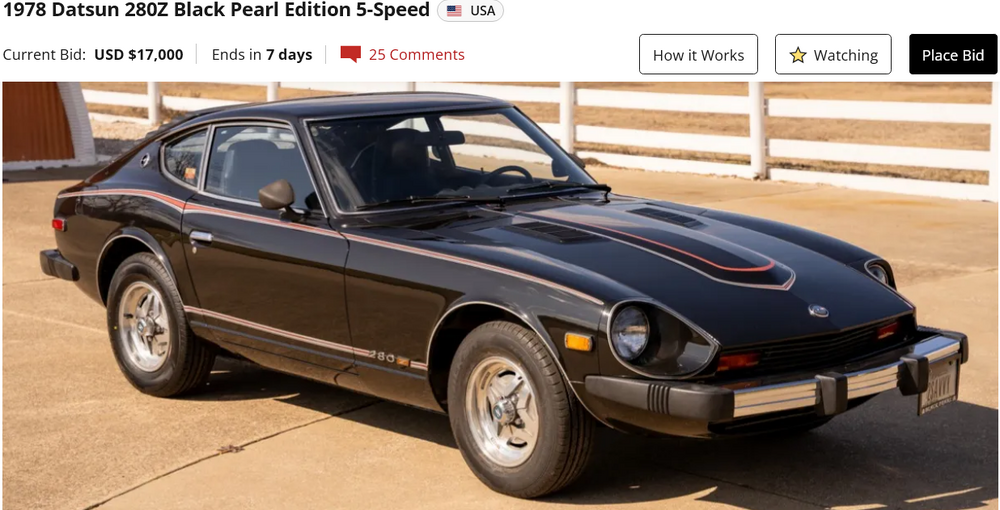
 He's done a Z before but it was missed. Funny though, I referenced it later for another reason. https://bringatrailer.com/listing/1972-datsun-240z-354/ Feb 20, 2025 comment in case it doesn't come up. https://www.classiczcars.com/forums/topic/69026-1970-wiring-diagram/page/5/#comment-674728Just realized that's a Dennis Collins car. The guy that showed up on Fast n' Loud occasionally with lots of money. Has a Youtube channel now, like everybody. He seems to know his values. He got it in trade for a Shelby Mustang apparently. Described in the BaT video. Looks like he's expecting over $143,000 if you read between the lines of his presentation. https://www.youtube.com/@DennisCollinsCarWorld/videos?view=0&sort=dd&shelf_id=1On the 1.5 coil without ballast or just the setup? Or both?1978 "Black Pearl" 280Z. One of the commenters says it sold for $90,000 at Mecum before. Don't know how to verify that. Maybe requires joining. Edit - found it on the Hagerty web site. Weird that they disclose but Mecum doesn't. Pretty big number for a 280Z. https://www.hagerty.com/valuation-tools/past-sales/1978-datsun-280z/HLS30465279/b657ee1a-bc07-4eb4-b5b9-1f3c21b7e972#_ https://bringatrailer.com/listing/1978-datsun-280z-191/
 Hate to be contrary but they actually recommend a 1.0 ohm coil for a six cylinder engine. Somewhere out there I think that they suggest that their newer models use current-limiting technology like the ZX and GM HEI ignition modules, which allow the usage of the lower resistance coils and removal of the ballast. Can't find it but I remember seeing it. Lots of good stuff on this page - https://123ignition.com/support/ I kind of miss the good old days of plain instructions on paper or electronic paper. But everything's going to the glitzy internet style. Here's their manual with color illustrations. https://123ignition.com/support/tuneplus-app-manual/





Important Information
By using this site, you agree to our Privacy Policy and Guidelines. We have placed cookies on your device to help make this website better. You can adjust your cookie settings, otherwise we'll assume you're okay to continue.