



chaseincats
Community Member
-
Joined
-
Last visited
Everything posted by chaseincats
-
Why for dynamat specifically?
-
Gotcha, thanks for the info. I was going to replace it with dynamat
-
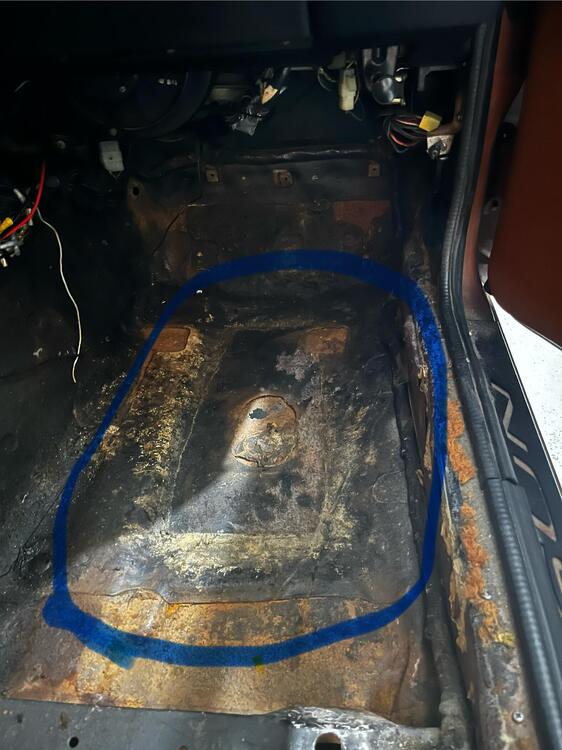
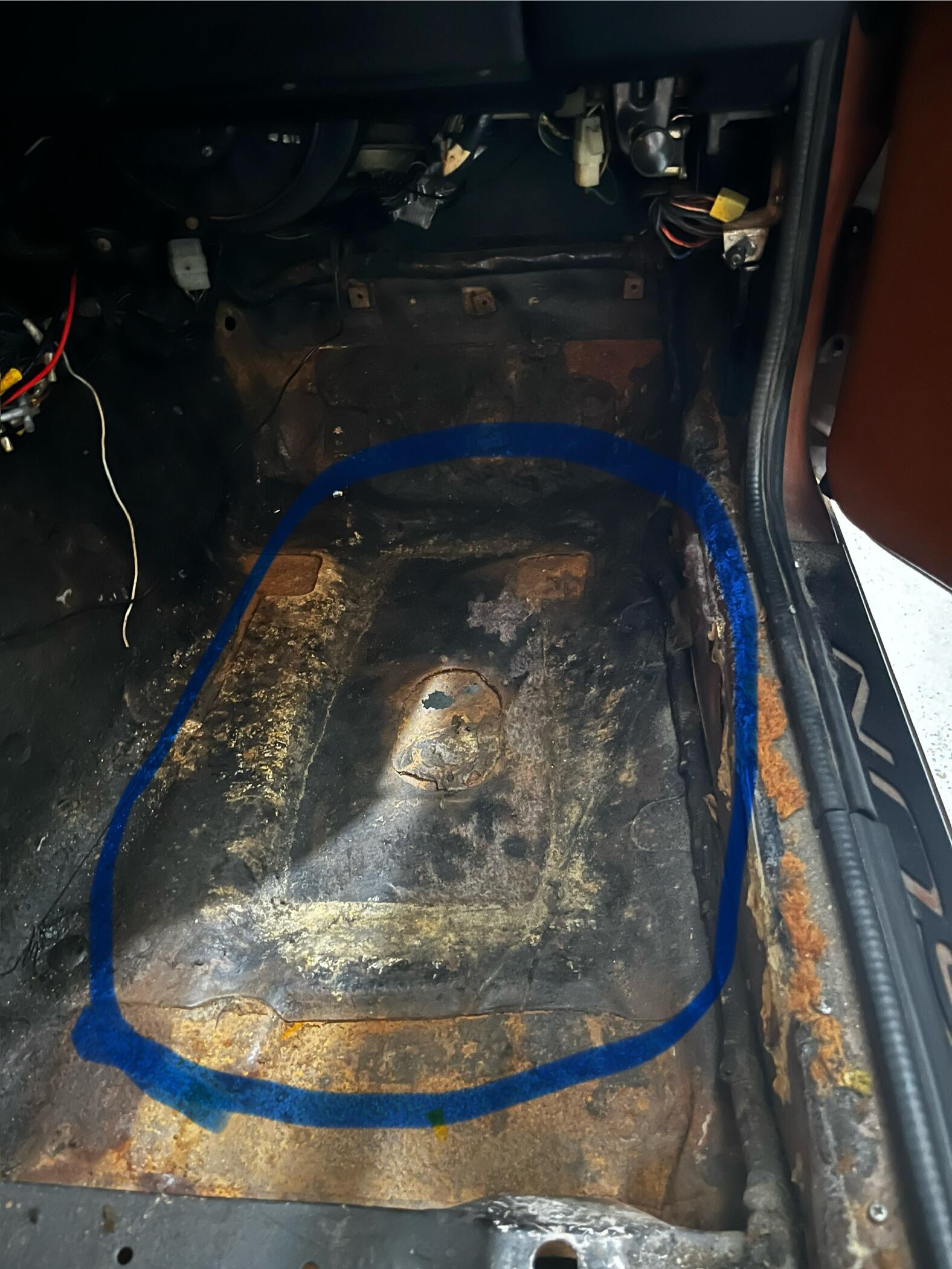
Hi all - Am I able to remove this black panel without weakening the floor (as it seems to be welded or glued to it and is pretty hard)? I pulled up the carpet tonight for a replacement, scrubbed the floor with a nylon brush to remove surface rust, and was able to scrub a small hole in the floor which I don't appreciate. I want to see if there is more under this big black piece (circled in blue), but if it is there to strengthen the floor (as it is very hard), I don't want to start yanking on it. Any ideas what it is?
-
If you shake it and it rattles, it's good. If it doesn't, it means it's gummed up and should be replaced. They are available at any autoparts store for a few bucks.
-
I did but to no avail. I even ended up blasting the old grease/dirt out with brake cleaner and then relubing it with sprayable silicone lubricant but the squeak didn't go away
-
Hi all - I took the spring-loaded seat hinge apart to re-grease it since it was making a squeak noise when I moved in the seat (the arm that sits between the seat back and bottom that does not contain the angle adjusting hinge) and after re-assembling it, the hinge flops around. Does the spring need to be spun to get tensioned before re-assembly? If so, how is that done?
-
Would throwing a bottle of that Lucas cleaner every time I fill up do anything to break this stuff down, or is the consensus just 'keep the tank topped off'?
-
Gotcha - that's odd and a bummer
-
Gotcha, that might be why we were getting standard fuel pressure when we had the gauge on, but still had to performance?
-
Would air in the line show up on a fuel pressure gauge?
-
Sorry I missed that. Yep I have one of those clear fram filters between the tank and pump. The weird thing is the brown floating junk visible in the tank isn’t in the filter.
-
haha, nope - I believe the shop that was working on it sent it to a radiator shop but I'm not sure. It was around $400.
-
I had it boiled out/coated about 8 years ago, so it shouldn't rust I'd have thought. Since it looks kind of goopy and doesn't stick to the metal I didn't think it was rust at the time. Interesting articles/google post - thanks! The google post talks about using a "fuel system cleaner." I added one of those small Lucas bottles (this stuff) last fill-up - should I add another bottle?
-
It sits on the bottom though and when the tank is filled it floats away. Are you sure it's rust since it doesn't stick to the metal?
-
So I finally figured out why my car was periodically running lean/down on power: I was driving the car yesterday and it started to drive poorly in the same way as it had in the past - so I went home and popped open the top-loading fuel sending unit (since it's a '78) and looked into the tank. There is some what looks like brown mud that was sitting on the bottom of the tank that I suppose gets diluted when the tank is full (because I saw it disappears with a full tank when I looked in after filling it)? I filled the tank and took it out for a spin, and sure enough, it ran perfectly again. So my question is what is that brown stuff, is there a way to get it out, and why is a very low fuel level (gauge reading near empty) an issue when the clear paper filter between the gas tank and fuel pump looks brand new (it's a few years old)? NOTE: The tank was boiled out/treated in 2017

-
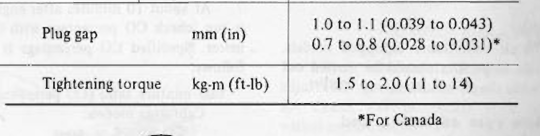
I believe I originally gapped these to the USA spec. Would dropping them down to the Canadian spec have me lose power but gain a smoother idle? Basically just curious what differences I should notice. EDIT: I forgot to bring up that the PO installed a "Jacobs Electronics" spark box in the car. Should I still go with the canadian gap with my resistor plugs?
-
Gotcha, so for the moment, go with the canadian spec gap since I have a resistor plug or the USA spec anyway? Yep, they are ngk wires.
-
Hi all - I was looking to check my 1978's spark gap and on the FSM it has 2 different plug gap values (one for Canada and one for America). Does one provide better performance than the other? I'm in Texas.
-
I adjusted the valves about a year and a half ago, but that's a good point - I'll give it a look and report back. Regarding the spark plugs, I can't seem to find any bpr6es on amazon for the 78 head thread. Would bpr5es work or would that be too hot a plug? Interesting article - thanks! EDIT: I believe we ended up going with colder spark plugs since we're running the engine learner than usual (14.7 cruise) to guard against pinging. EDIT 2: I just confirmed all of the valves are still in-spec
-
UPDATE: after driving it for about 100 miles, here is what my plugs look like. The spark plug tips are quite white on some of these, but the ceramic in the middle isn't as charred. Besides burning some oil, what do you think? Looking at these, I'd say a good chunk of this engine is running lean, but my AFR numbers look great. Just as some extra info - before I started driving it heavily again (after we fixed it) I pulled the plugs and noticed cyl #5 was the only one with a dark plug, so I swapped it with cyl #6. The cyl 6 plug is now dark, but the cyl 5 plug did not clear up. The spark plugs are NGK BPR7ES (5534) Any ideas?
.thumb.jpg.8105349bec7bf54fbd24a476cd056f18.jpg)
-
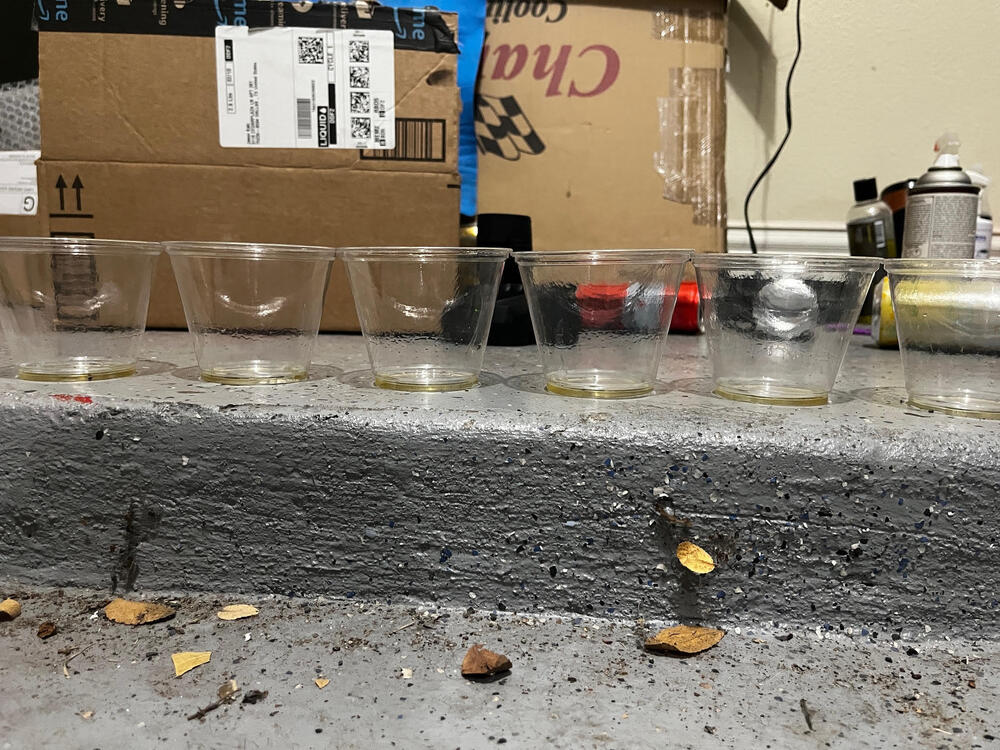
Thanks, I didn't know it took that many rotations. I held the key this time for about 10 seconds and got a pretty uniform flow so it looks like we're good there. It looks like the far right injector is low but that's just the light for some reason.
-
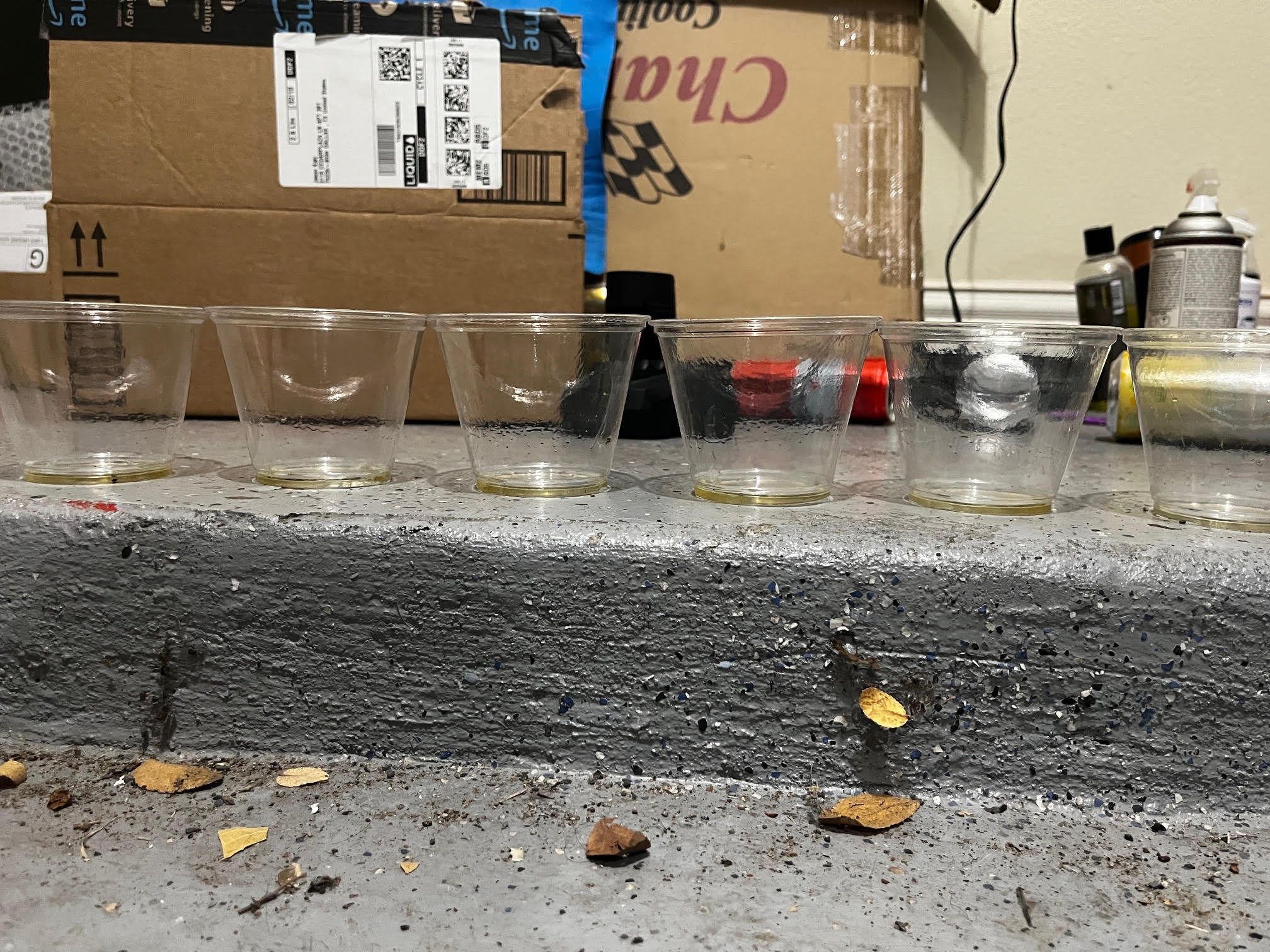
Hi all I unbolted my fuel rail and put each injector in its own individual cup so that when I turn the key I can see if they are all injecting identical amounts of fuel and for some reason am not getting pulse with the rail unbolted, but the car runs with it connected. I tried directly connecting the efi ground to the negative battery terminal but still not getting pulse. All 6 injector connectors are getting power (confirmed with a test light). Any idea what I'm missing here as the only parts that have been unbolted are the ones related to the fuel rail/its removal. I made a video which might help here Any ideas?
-
I'll take a pic of mine when I get home tonight - hold EDIT: I checked and apparently I re-used the rubber grommet I had on there when I swapped out the switches
-
the bezel is molded into the metal of the switch housing
-
The bezel is part of the switch now. This is what I got and removed the rubber grommet for the right switch but it looks like the left one with the 4 wires is NLA. That said, you could just get one for each side and ignore the buzzer wire.

.jpg.b136bd57dc13cd24dbacf8fe68133786.jpg)