inline6
Supporting Member
-
Joined
-
Last visited
Everything posted by inline6
-
I know lots of people say not to use play sand, but that is what I typically use for an engine compartment. Regular sand has larger grains, and thus more mass. Spraying at 80 psi, It will damage thin sheet metal. Same for coal dust - "Black Diamond" is the name of what is sold near me at Northern Hydraulic. It is great for stripping parts made out of thick sheet metal, like suspension arms, cross members, etc. Research the purchase of a high quality mask/respirator and do the blasting on a windy day. You will be breathing some silica which does damage lungs. Do your best to keep that to minimum.
-
I had a 3/4" slave cylinder on my "track day" 240z for many years with a 83 280ZX transmission. Hated it. If I recall correctly, I couldn't adjust the length at the clutch M/C (5/8") to get the engagement to my liking. I had problems getting full disengagement. I switched to an 11/16ths slave and all became right with the world. For my restored Z, I sourced a new 11/16" slave (newer type without the external spring). I was able to set the clutch height from the floor to factory specification and adjust the clutch master without issue. For the 240z, I think you should avoid 3/4" clutch slaves.
-
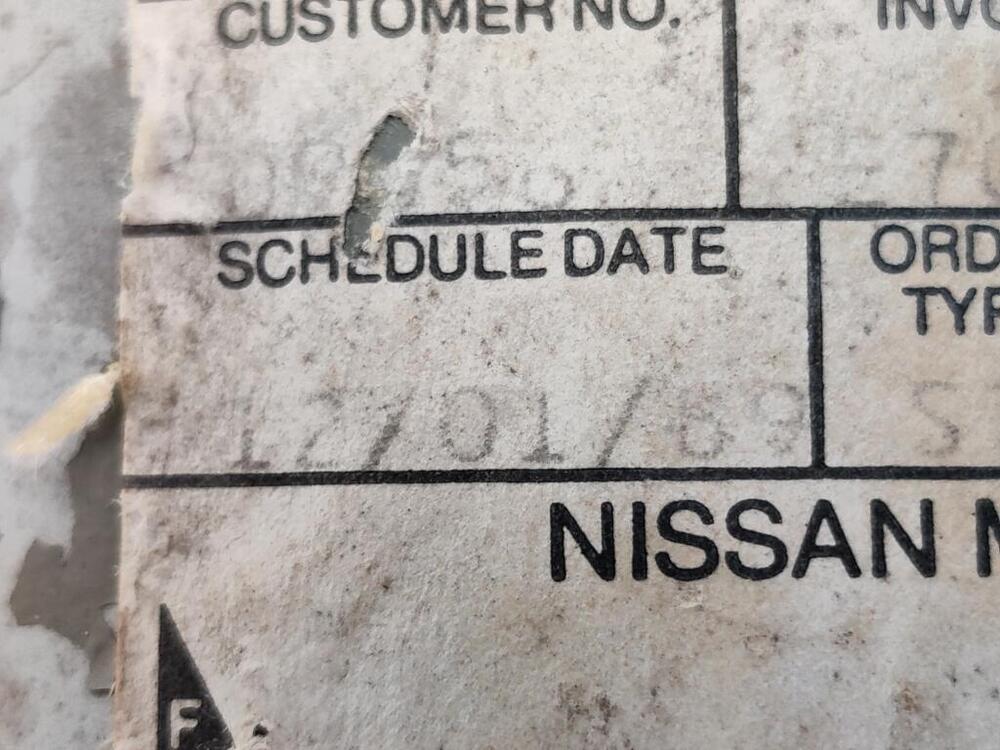
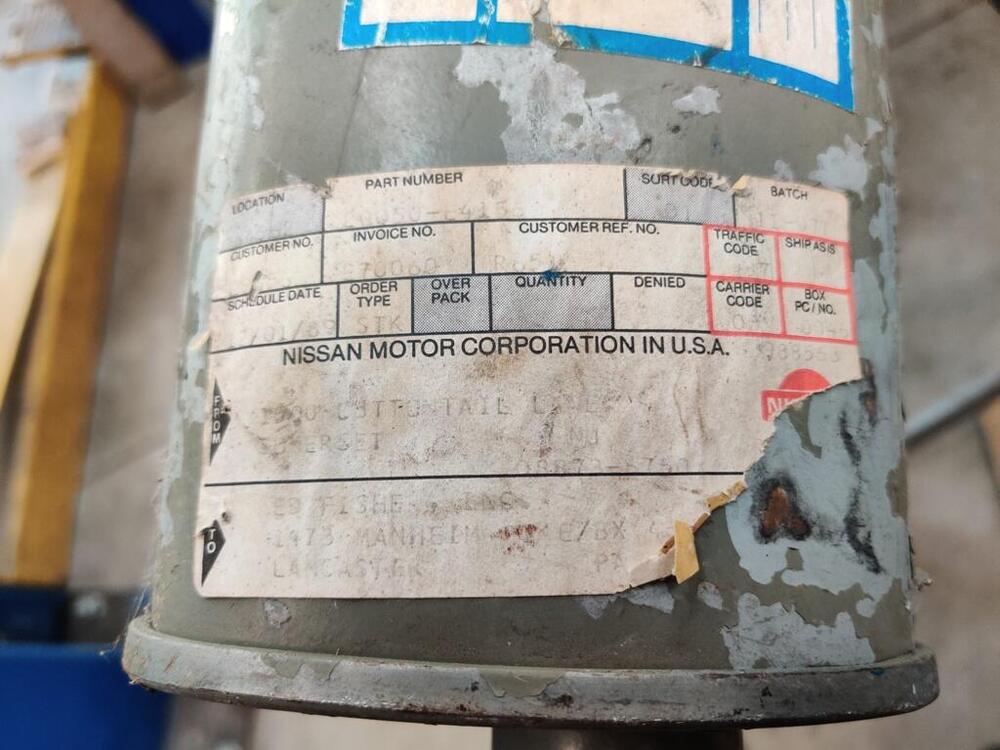
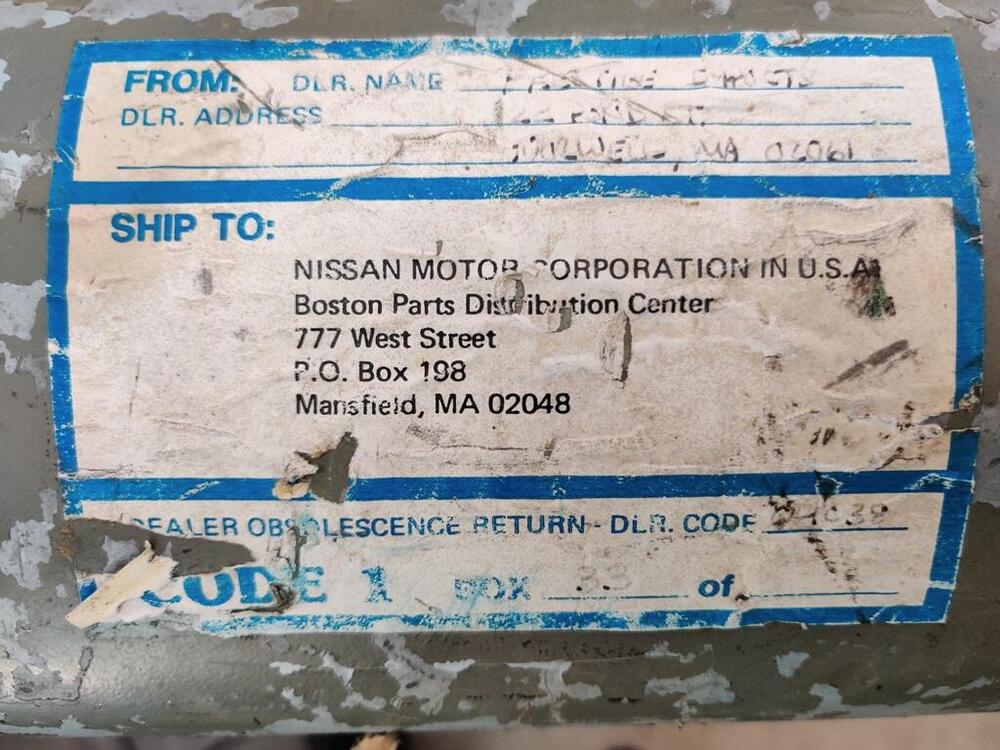
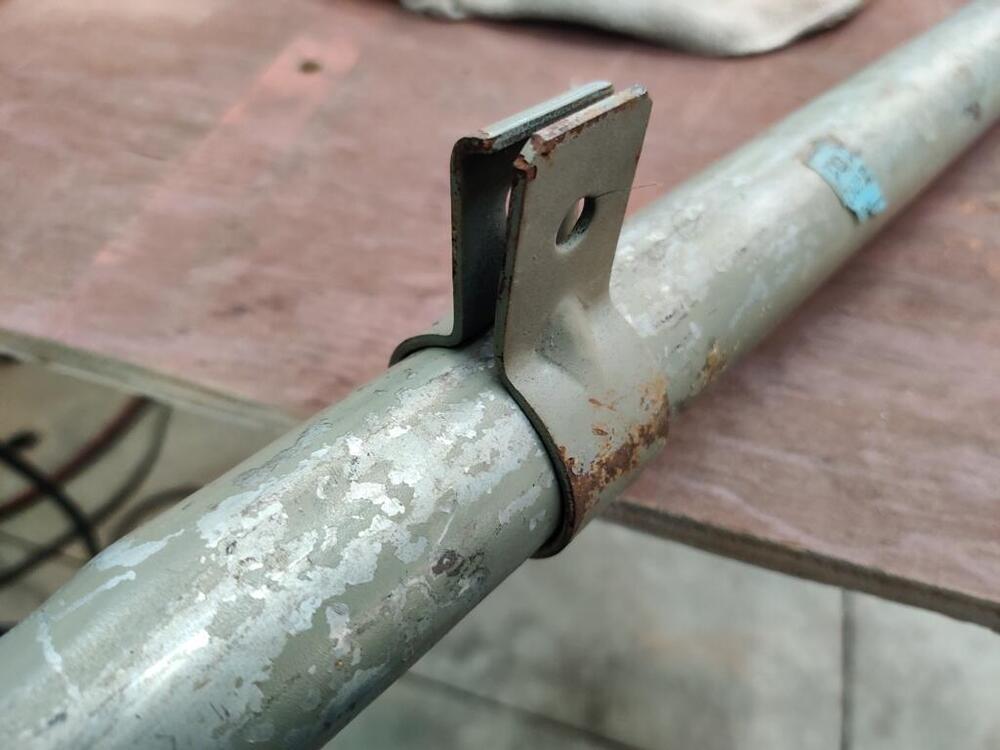
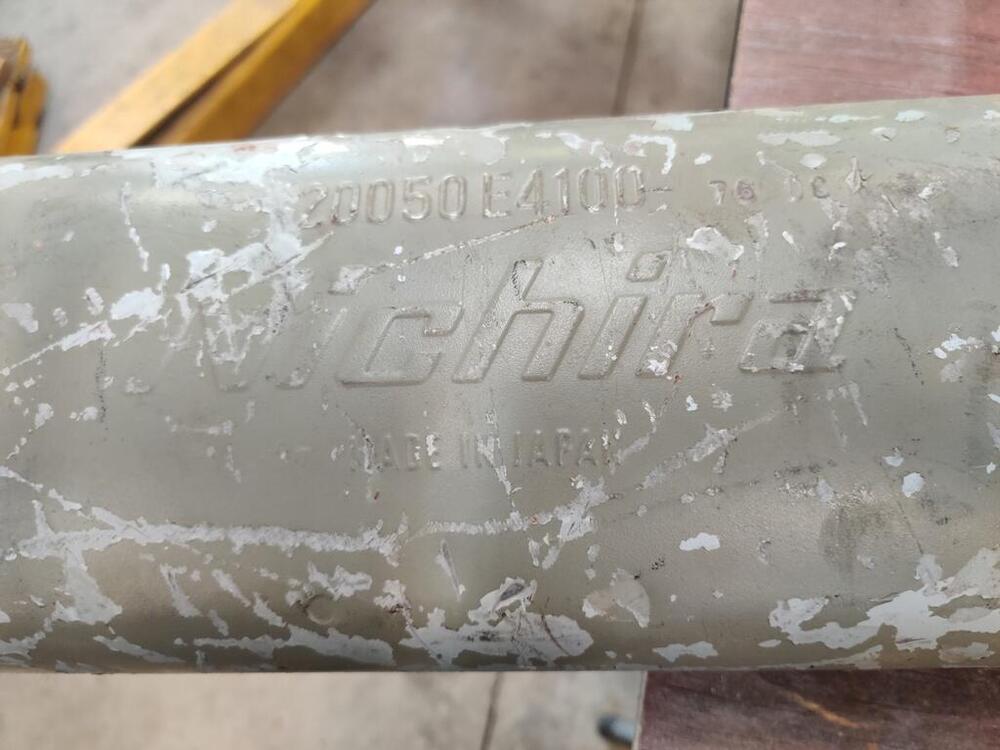
I was able to find a NOS 240Z center exhaust section recently. I wonder how long it's been sitting around on shelves?
-
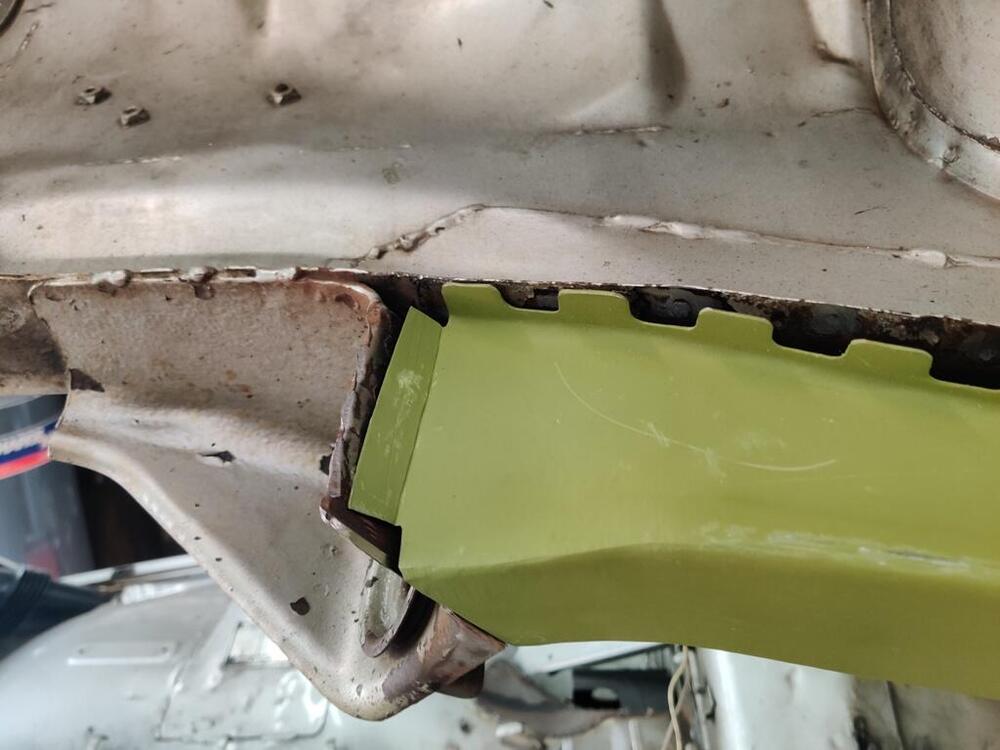
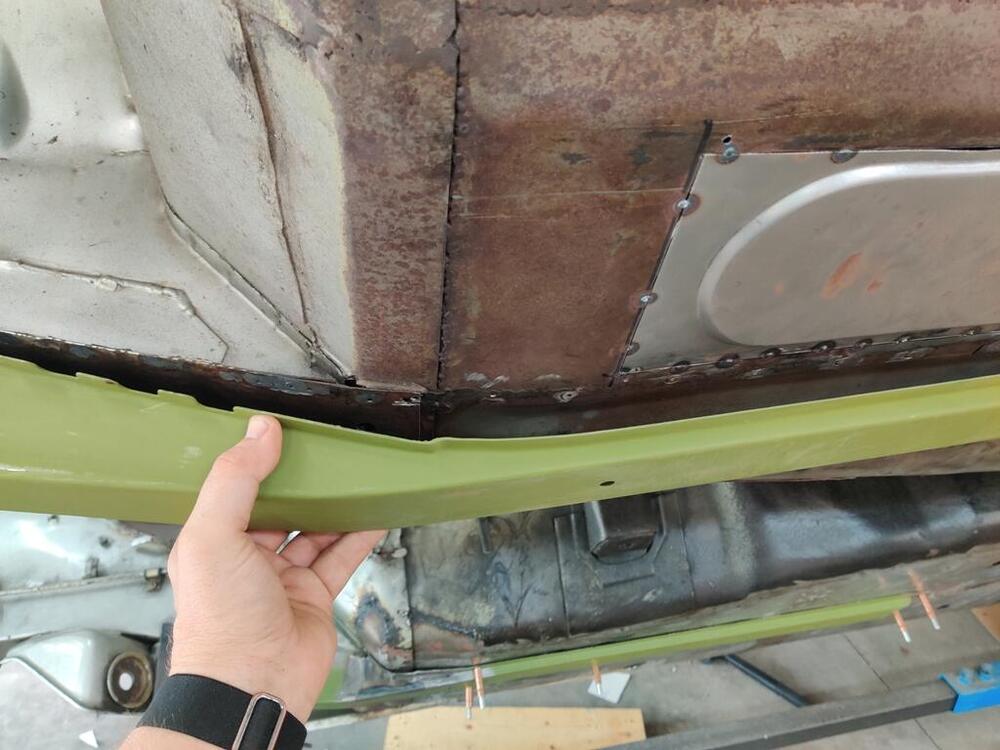
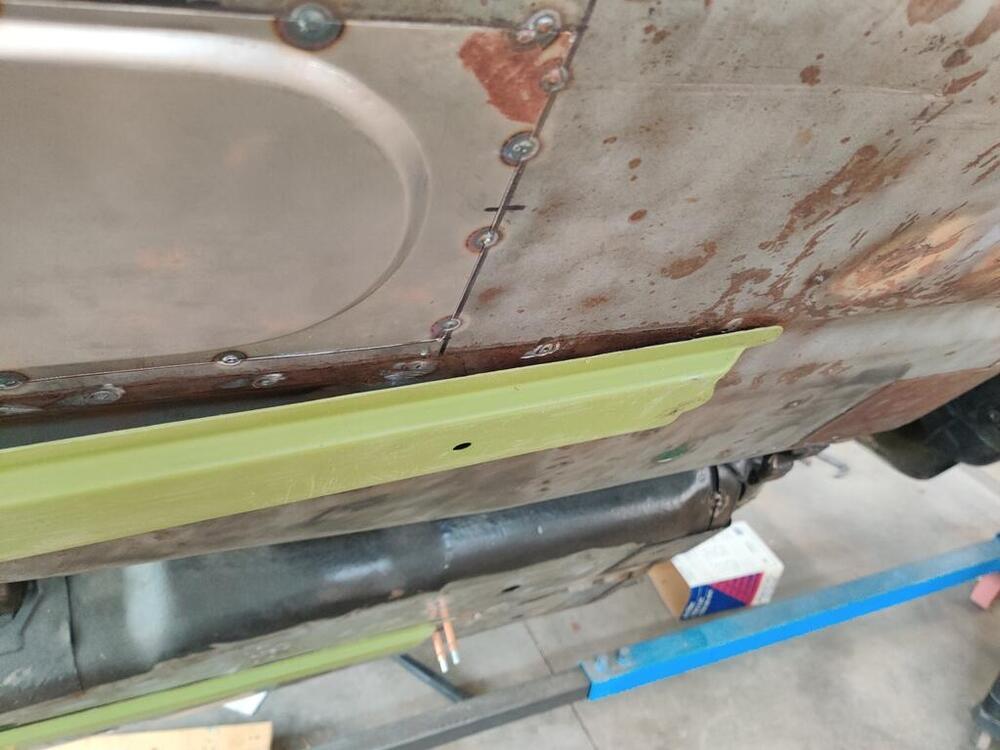
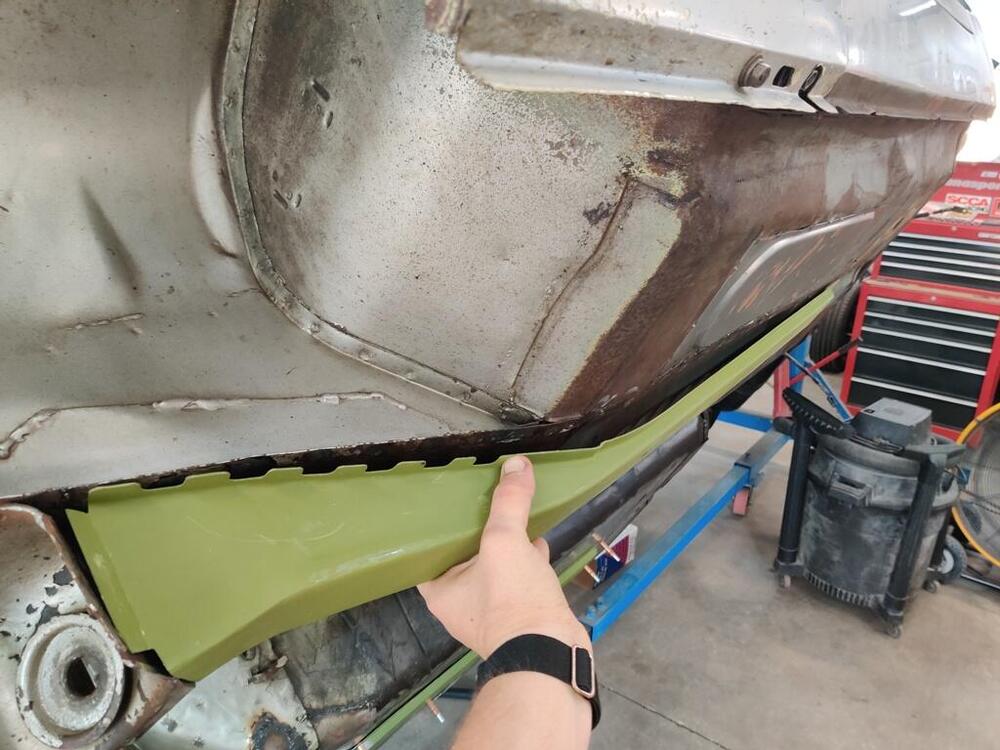
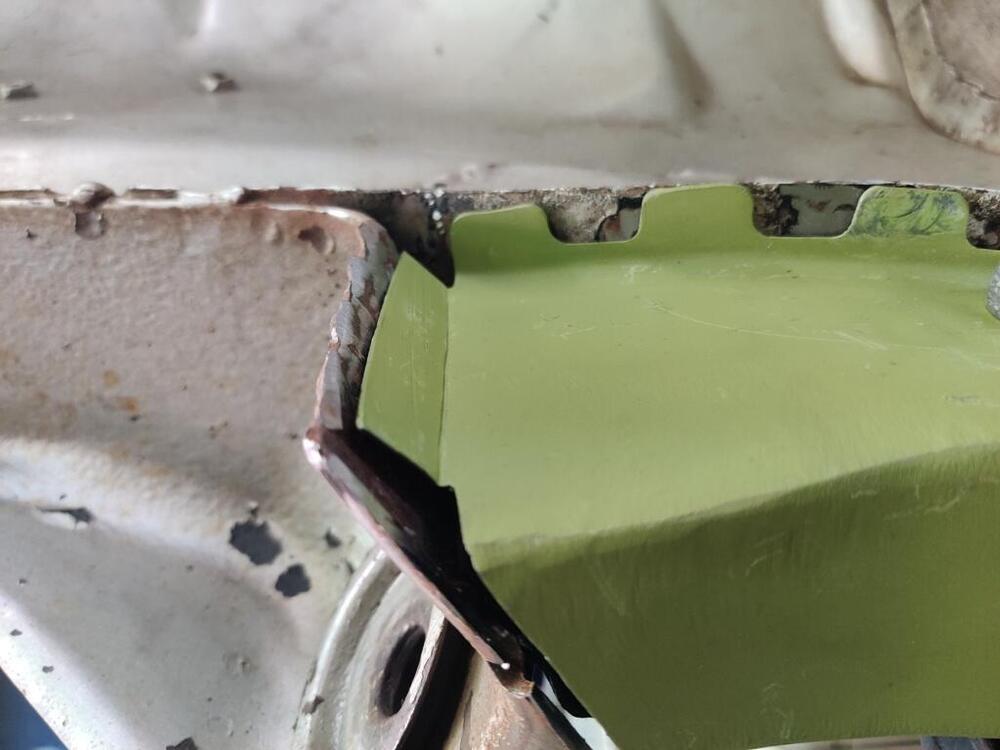
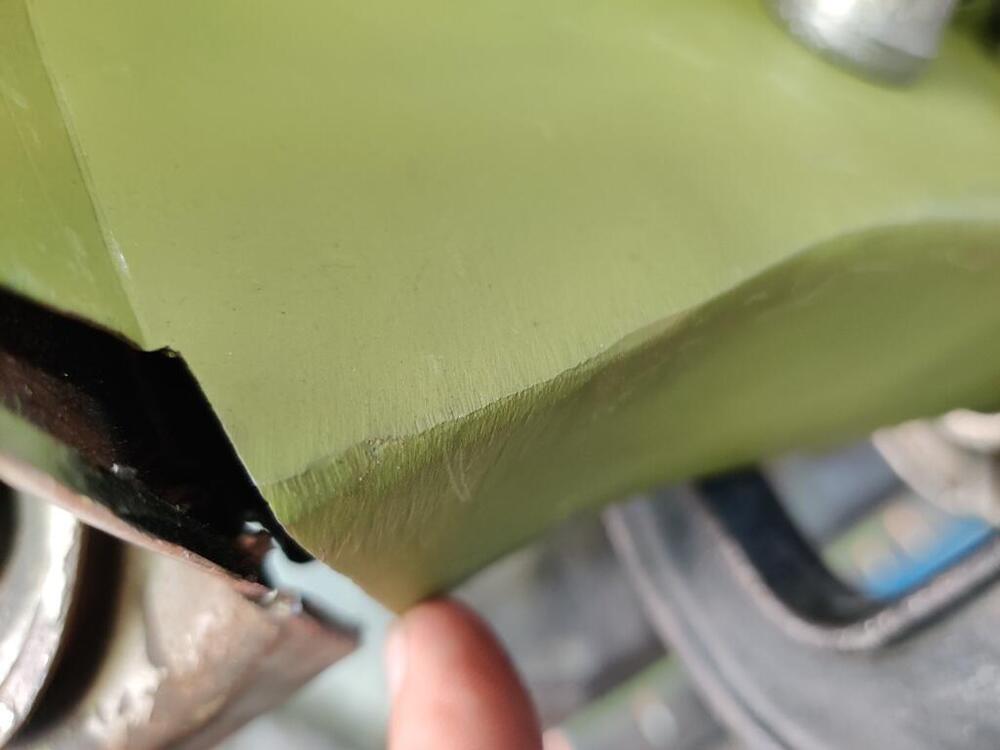
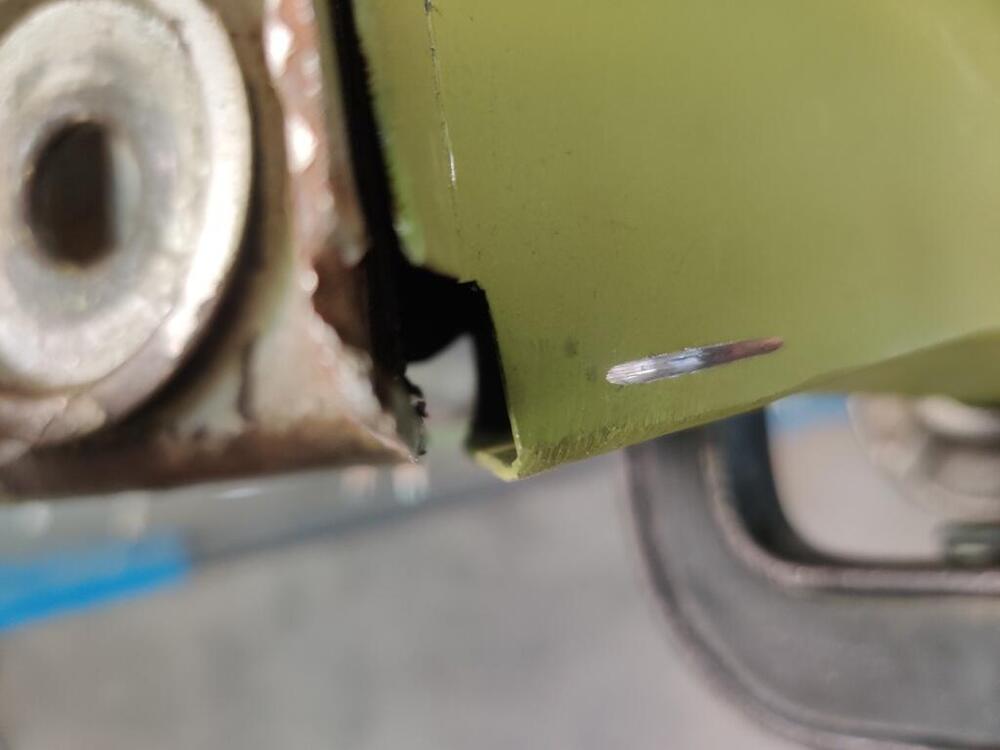
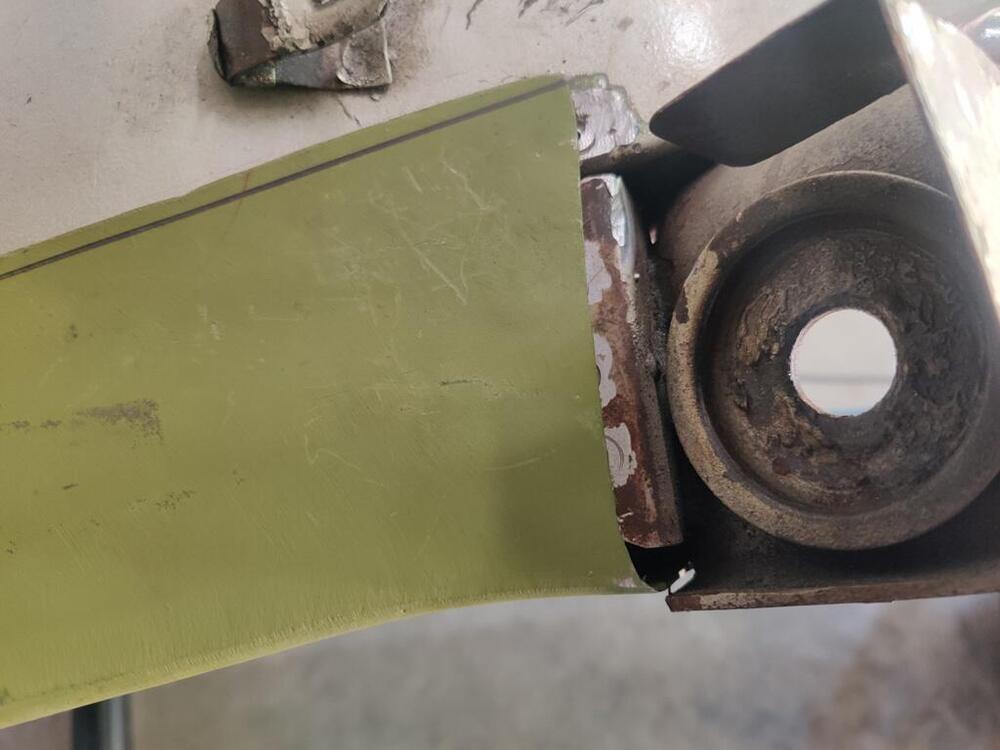
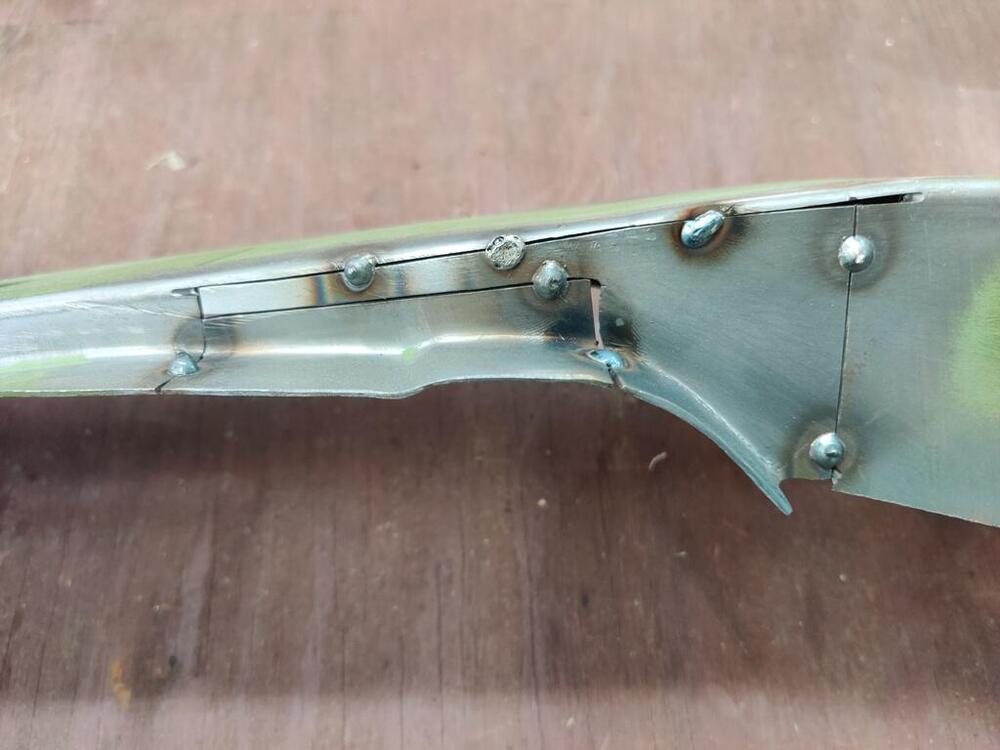
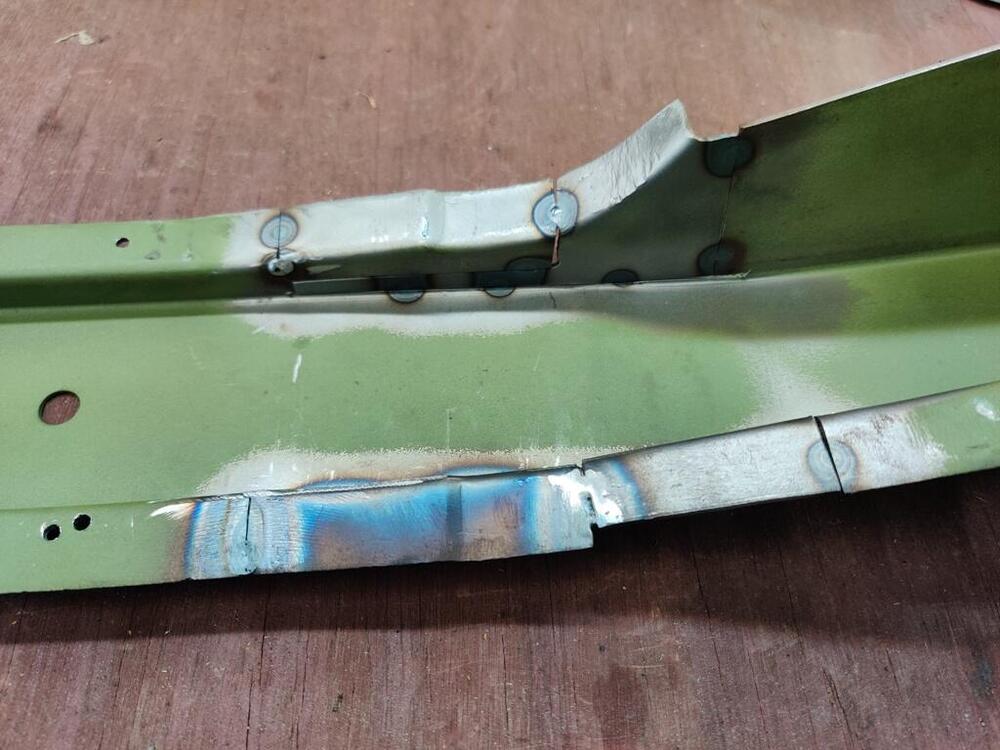
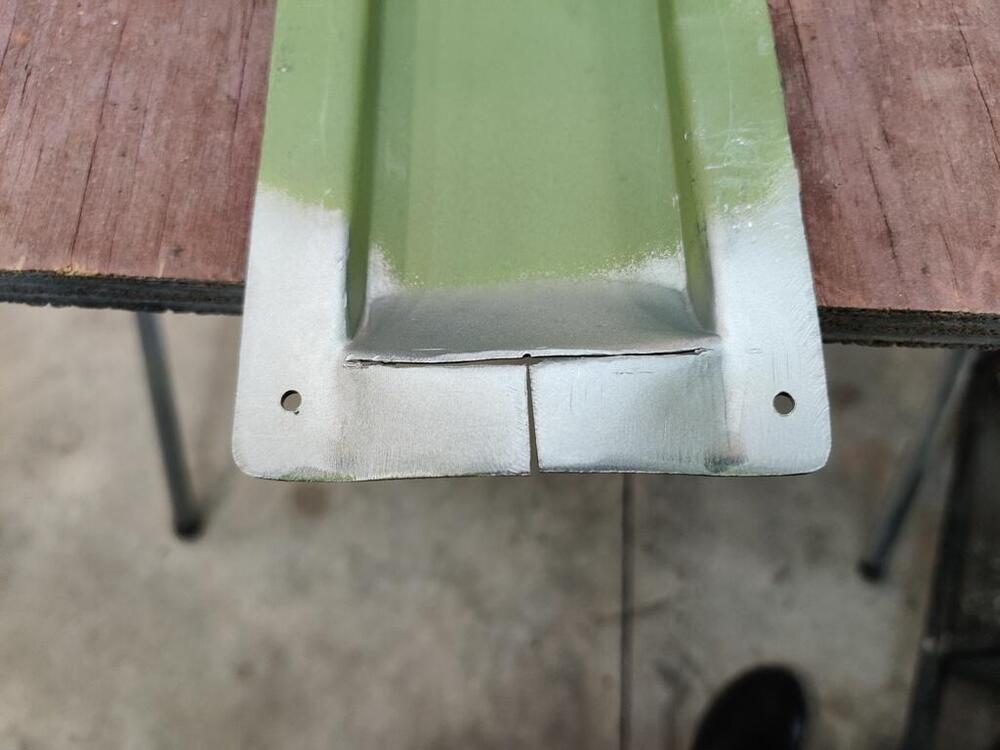
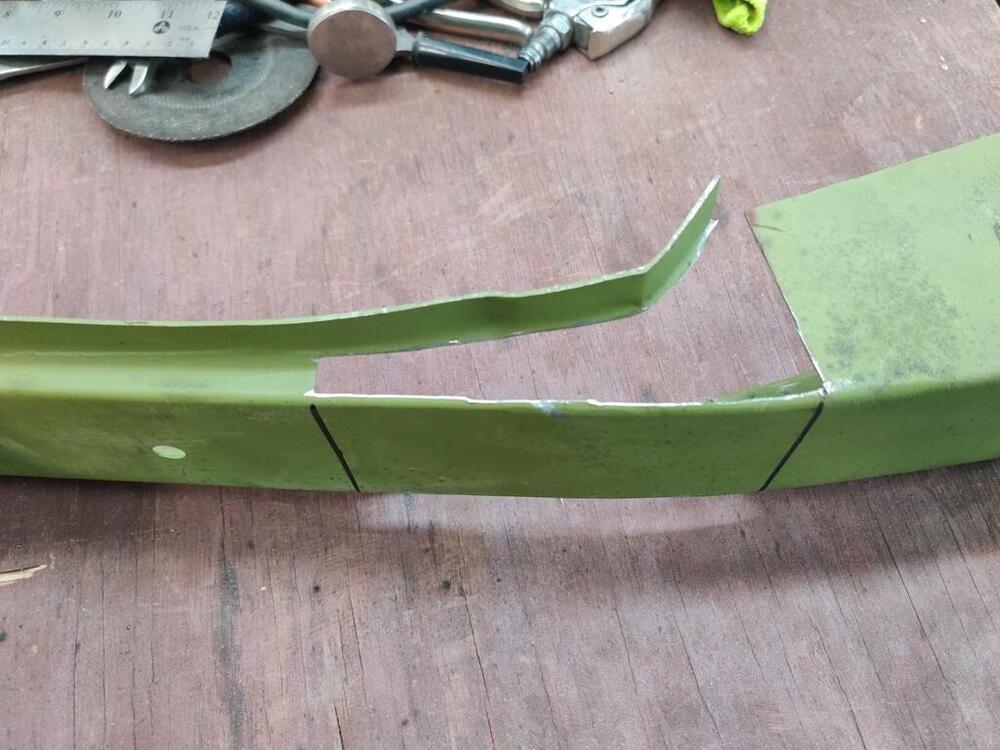
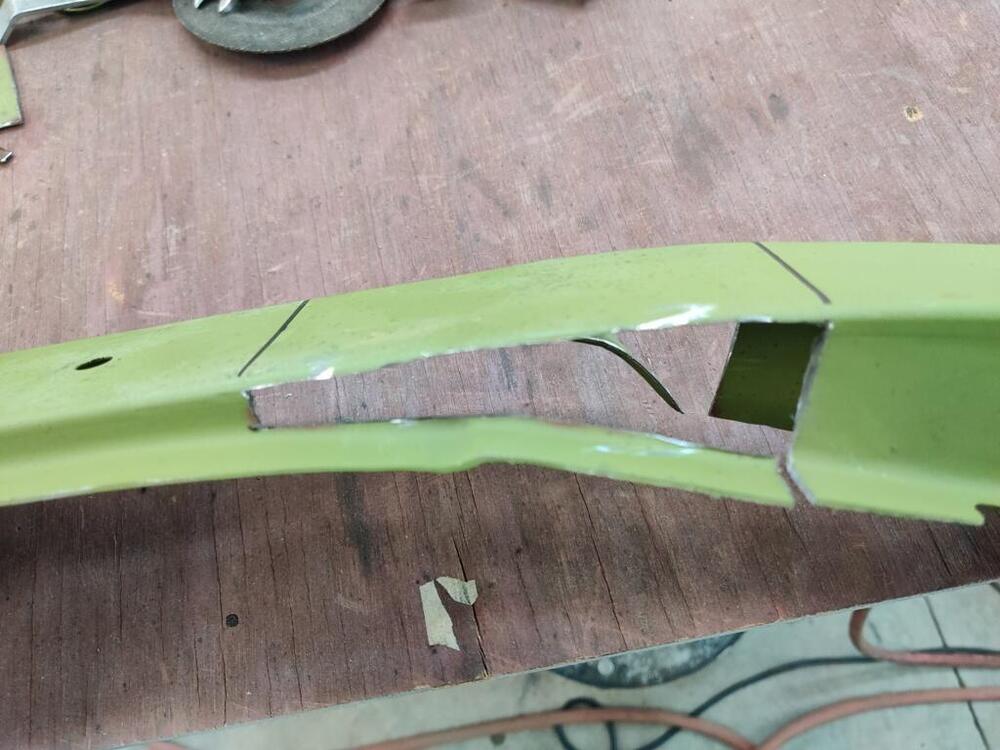
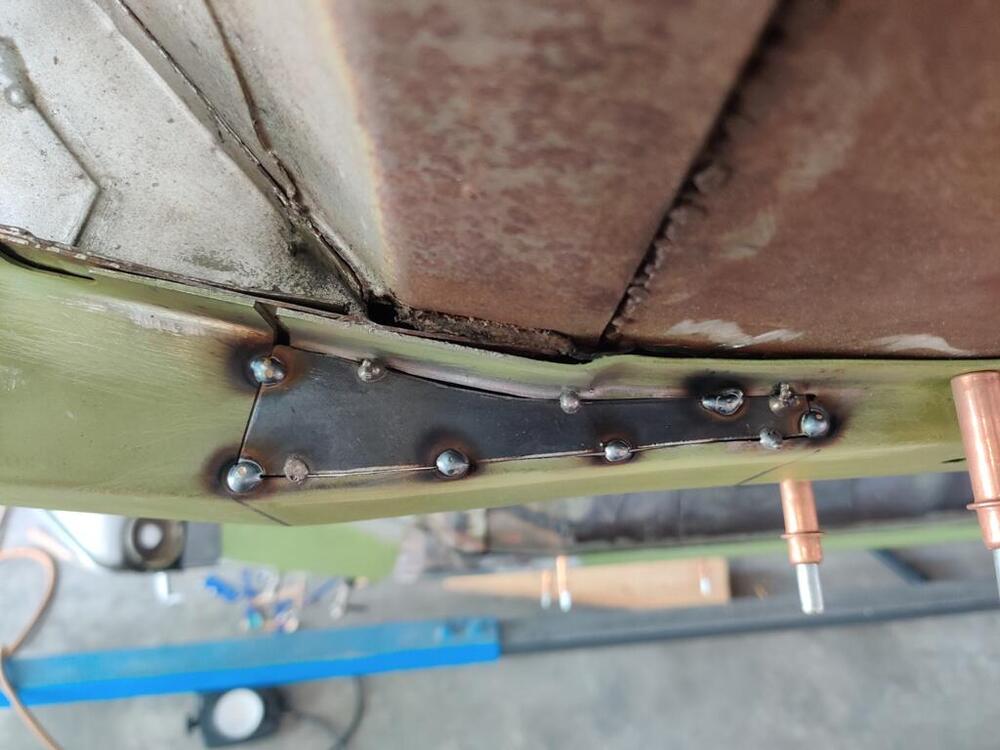
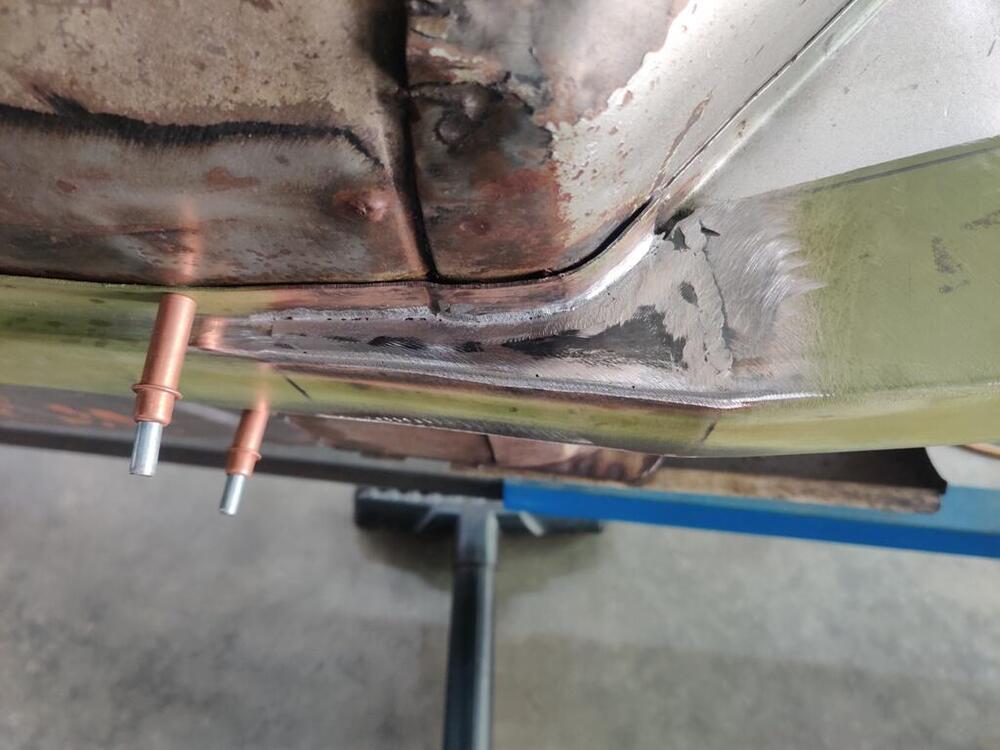
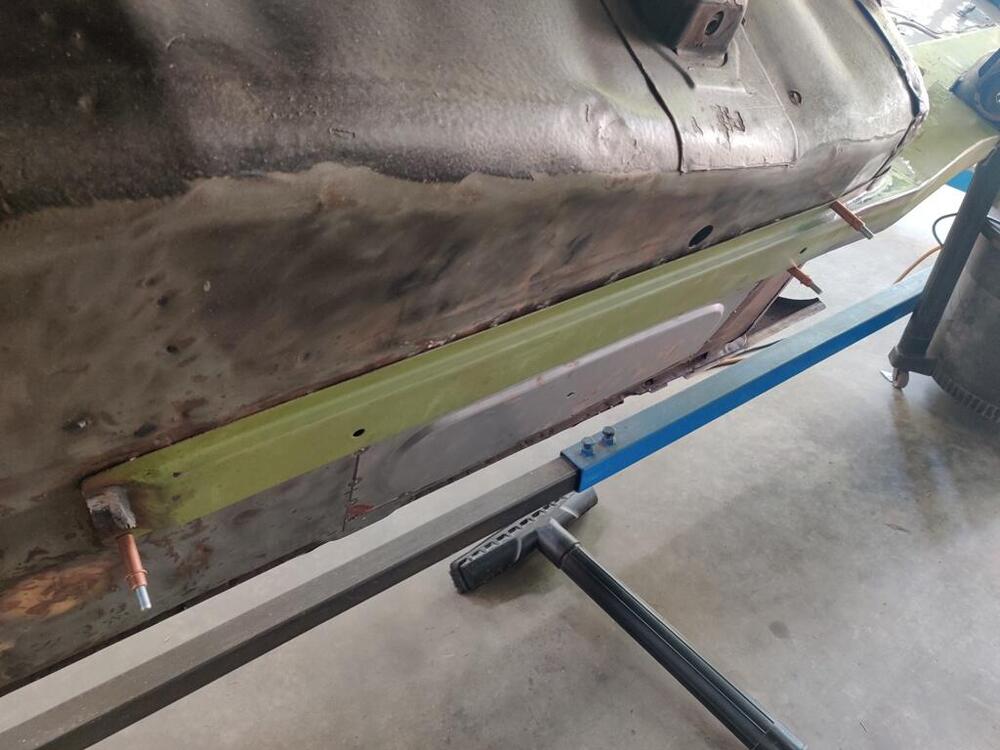
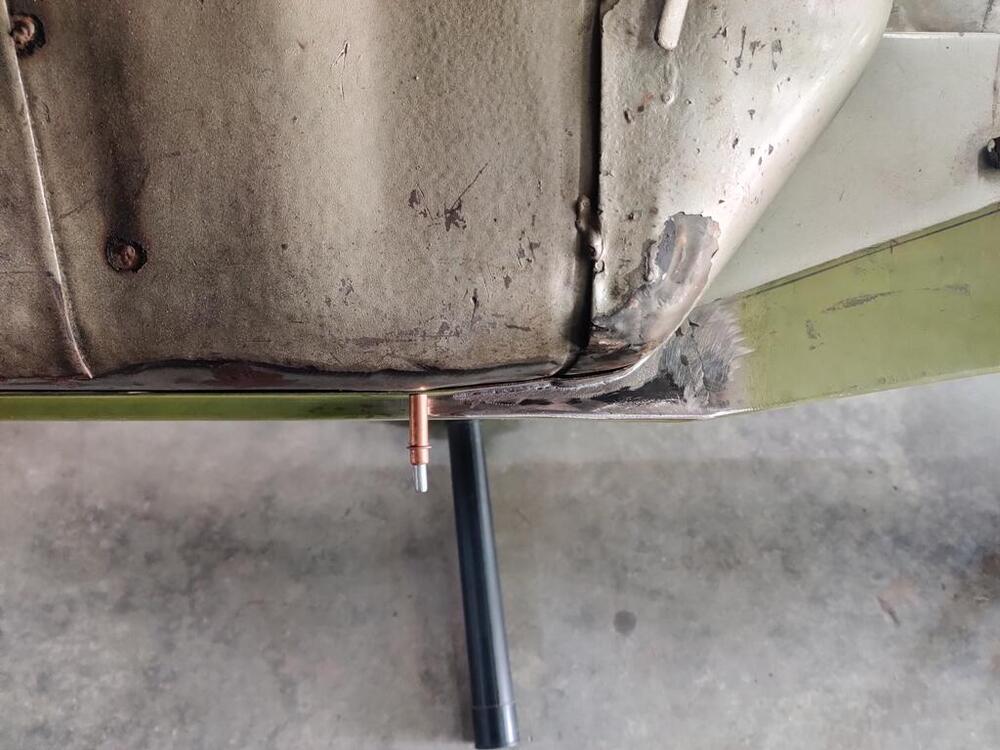
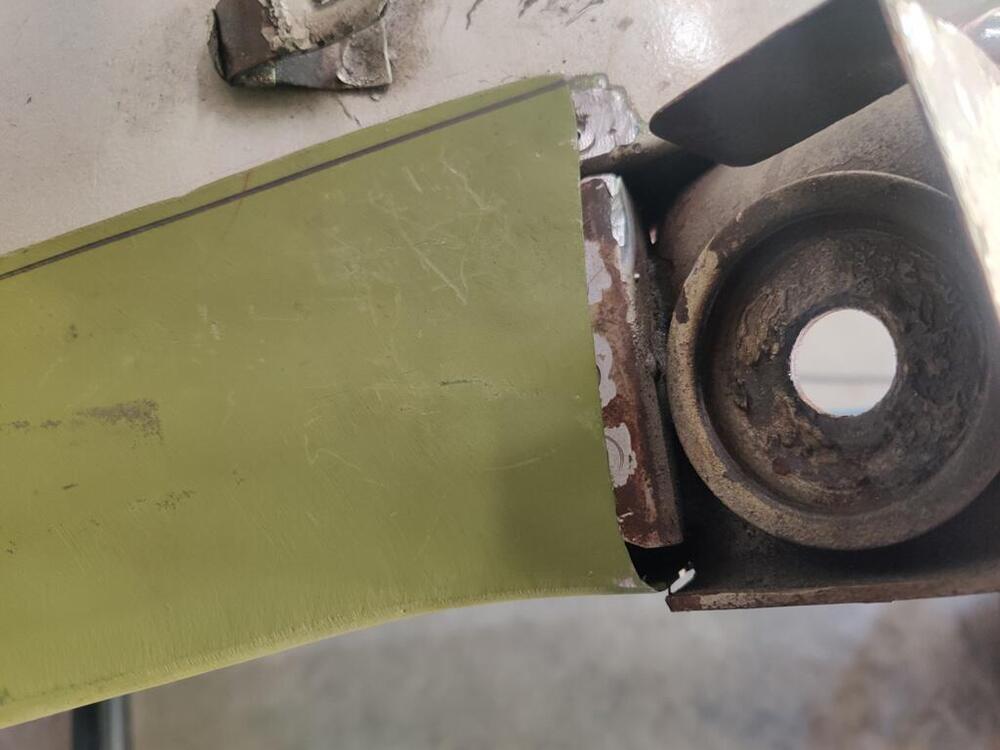
I looked a bit before I bought these replacement frame rail section from KlassicFab, but did not find helpful information regarding how well (or not well) they fit. Well... they don't fit my 1971 240z very well at all. The front most and backmost part of them touch the floor with a large gap in between. The tabs on the front don't match up very well. The left side frame rail had been "hand manipulated" somewhat (3rd pic here): Even after the manipulation, the height of the front was incorrect - the bottom is too low on the outside surface, but about the right height on the inside surface. Anyway, I didn't have much of a choice - I needed to make them work. To do so, I cut out the sides at the "turn" that they make at the front of the floor, towards the compression rod box. This allowed me to re-contour the bend in the bottom surface of the frame rail so the rails fit the car's floor. Then I made replacement side portions of the rail that locked them into the position my car required. Additional work to recontour the back of the frame rails to fit the floors was needed as well (3rd pic above). The left side needed recontouring at the front of the frame well also. And both sides need "extensions" on the inner side of the frame rails too as they are not as long as the originals. Lots of hours so far to get these to fit - just so you know should you decide to purchase them. They may fit the 280z better. I don't know.
-
OEM part? What part number?
-
My air filter element is too thick 😁 So, the edge (around the circumference) of my air filter cover doesn't contact the rubber seal on the air filter back plate. Said replacement rubber seal was sourced (if I recall correctly) from Banzai in MD. Instead, the cover sandwiches the air filter element against the air filter back plate tightly. But again, the cover does not seat against the seal on the back plate. There is a chance that the replacement rubber seal from Banzai is not as thick as the original seal. I have to investigate further. But since the air filter element is securely held and no air gaps are letting unfiltered air into the engine, I have this issue de-prioritized. So... you have the opposite situation? There is a difference in thickness of the air filter elements (and thus the air filter housings) across the years of the 240z. I am uncertain of the details.
-
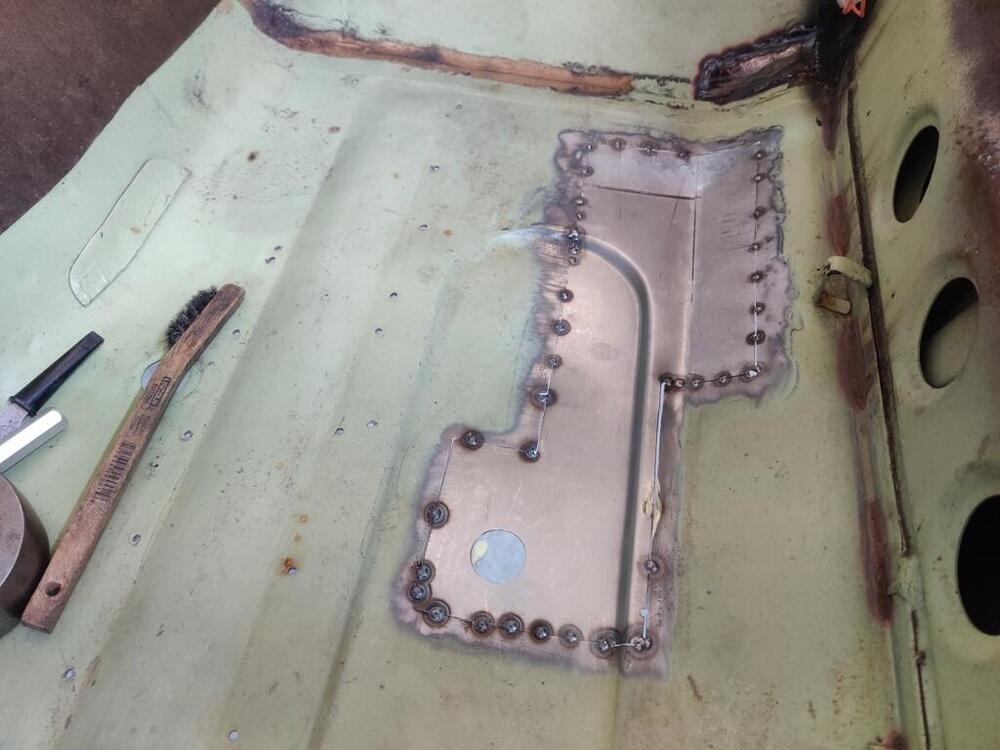
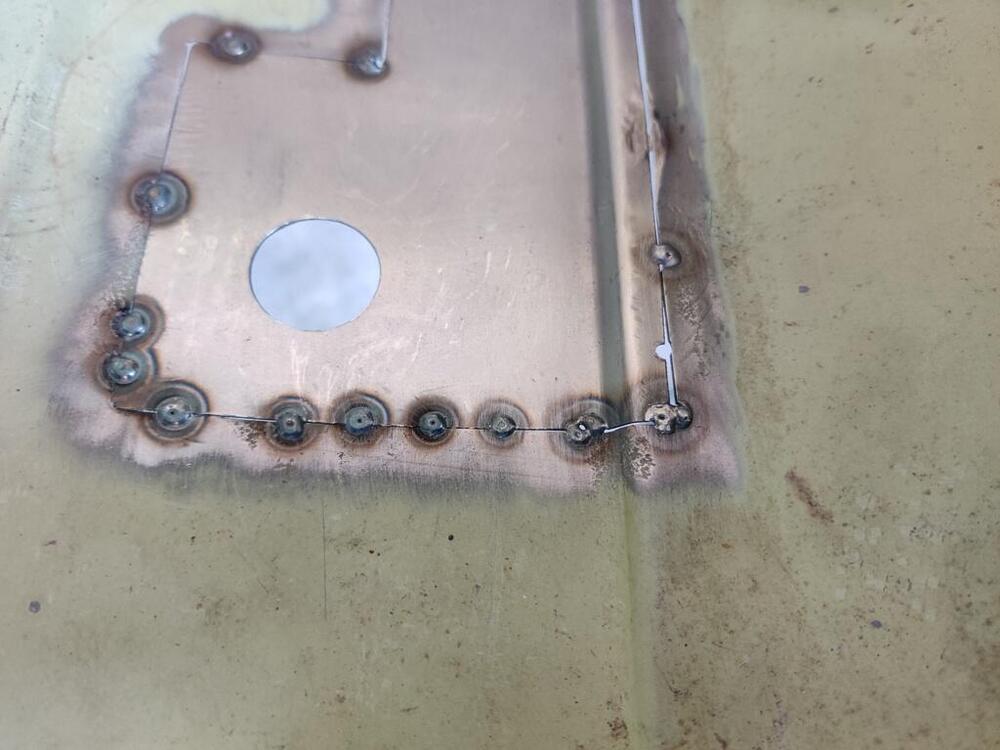
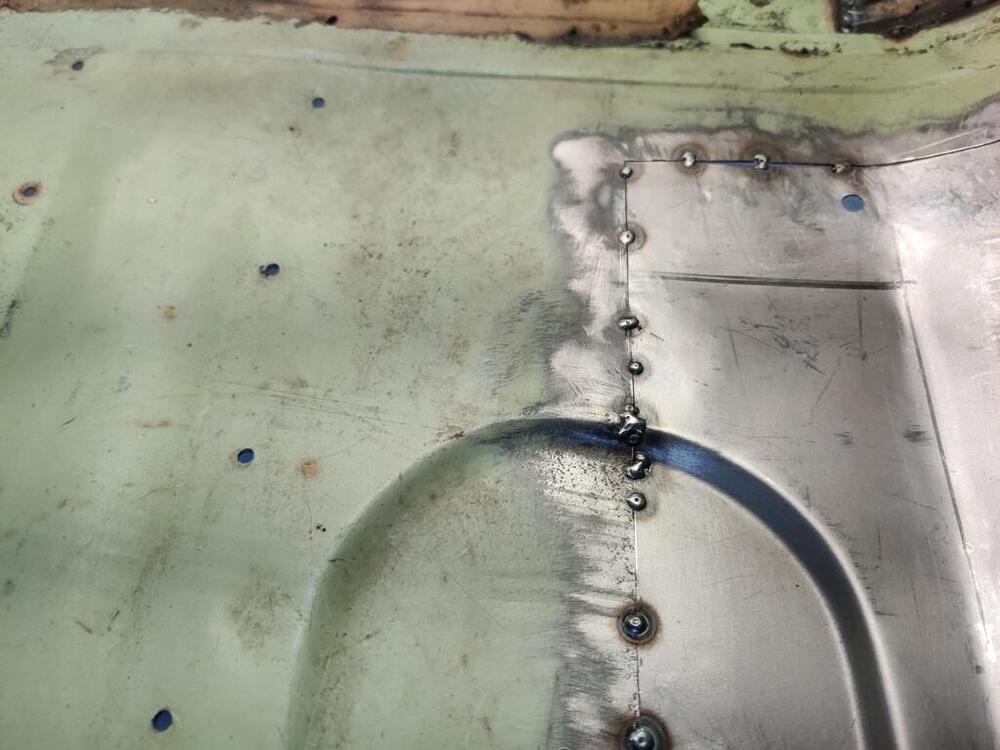
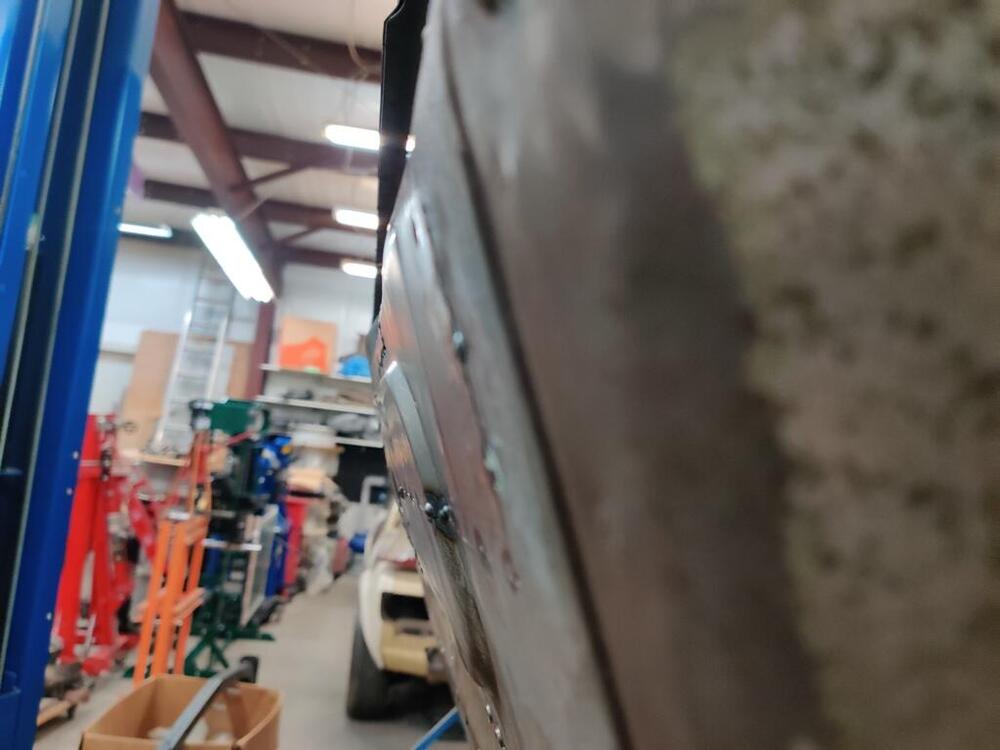
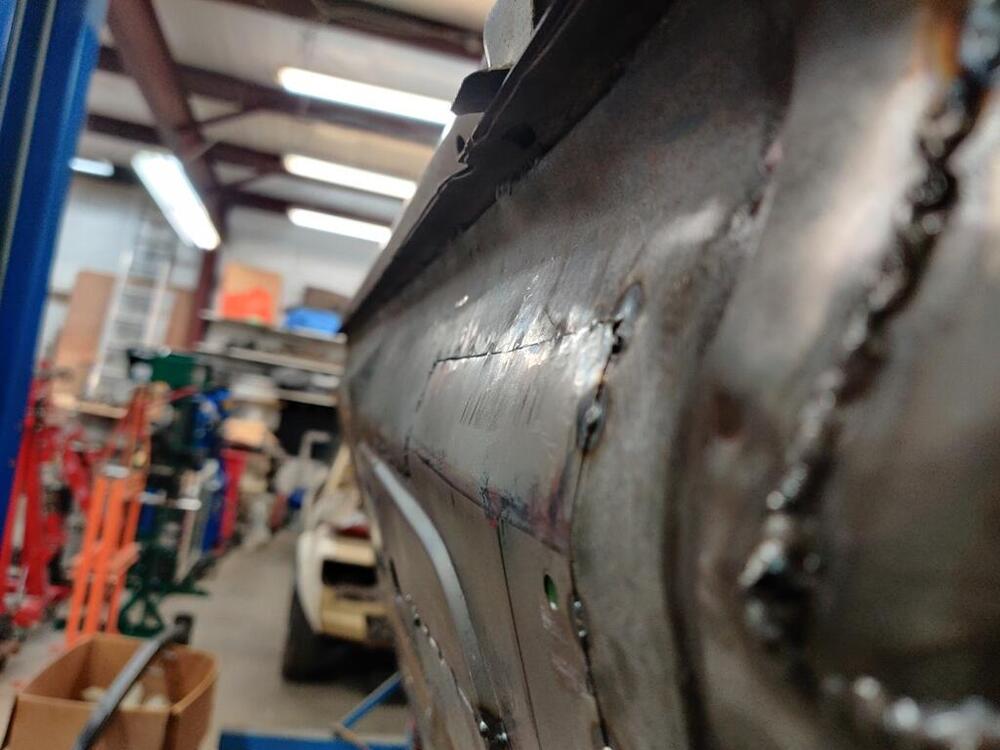
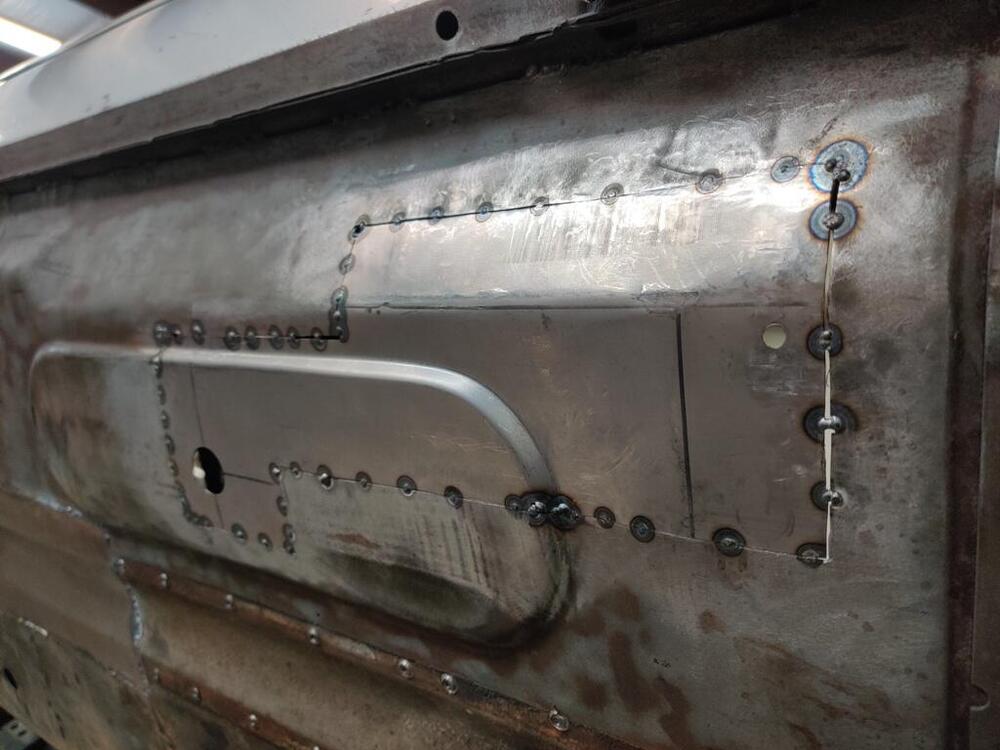
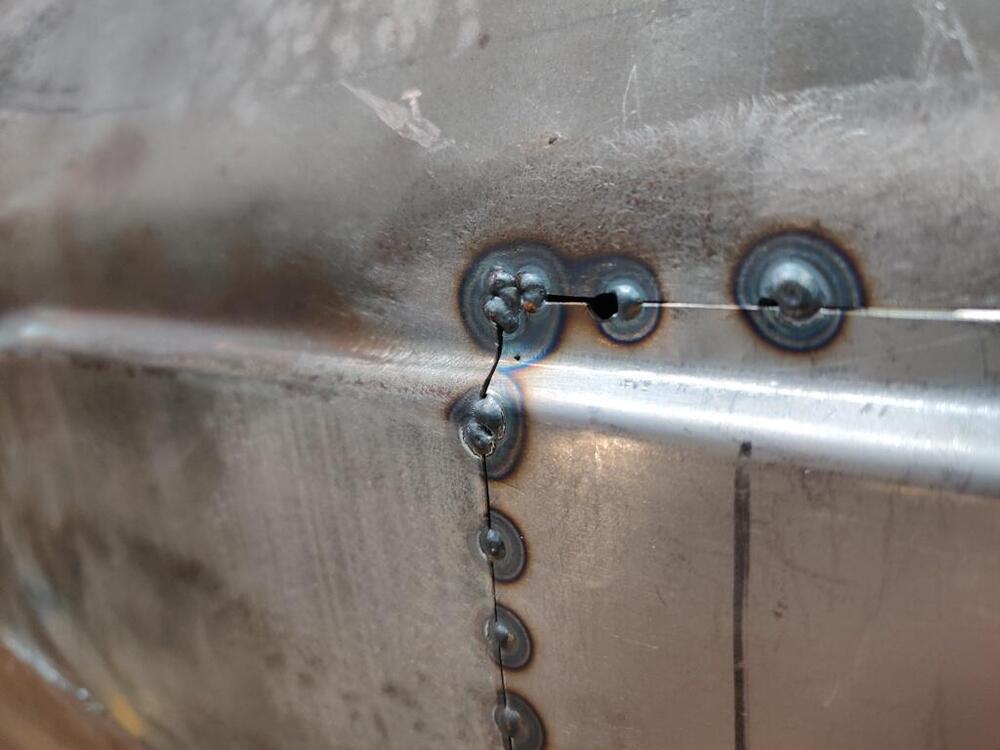
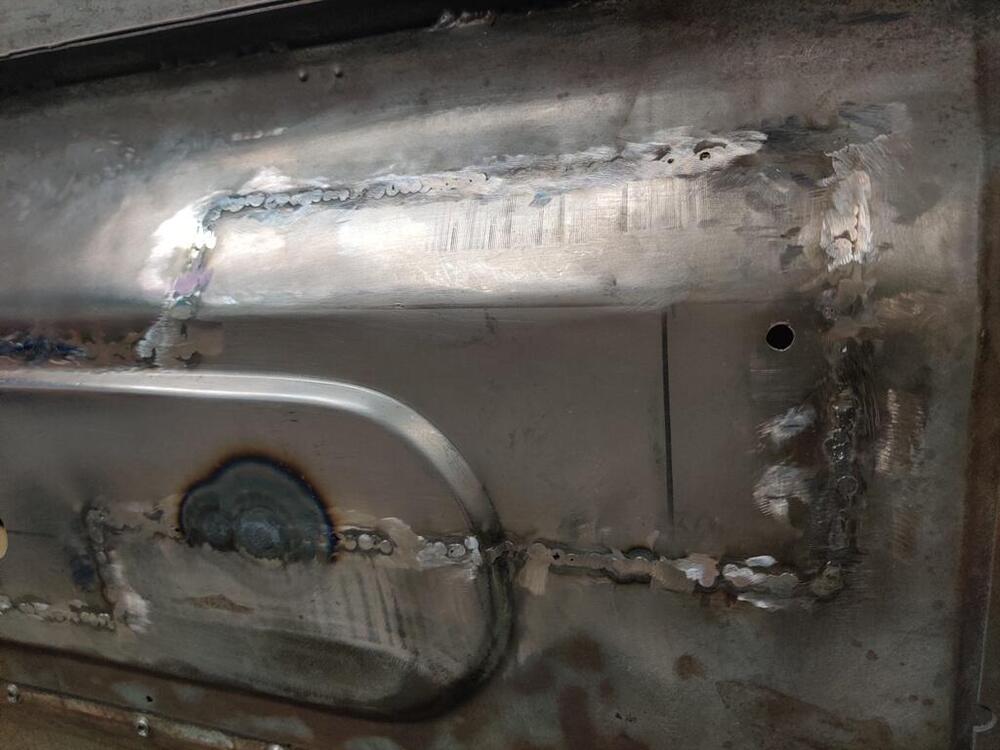
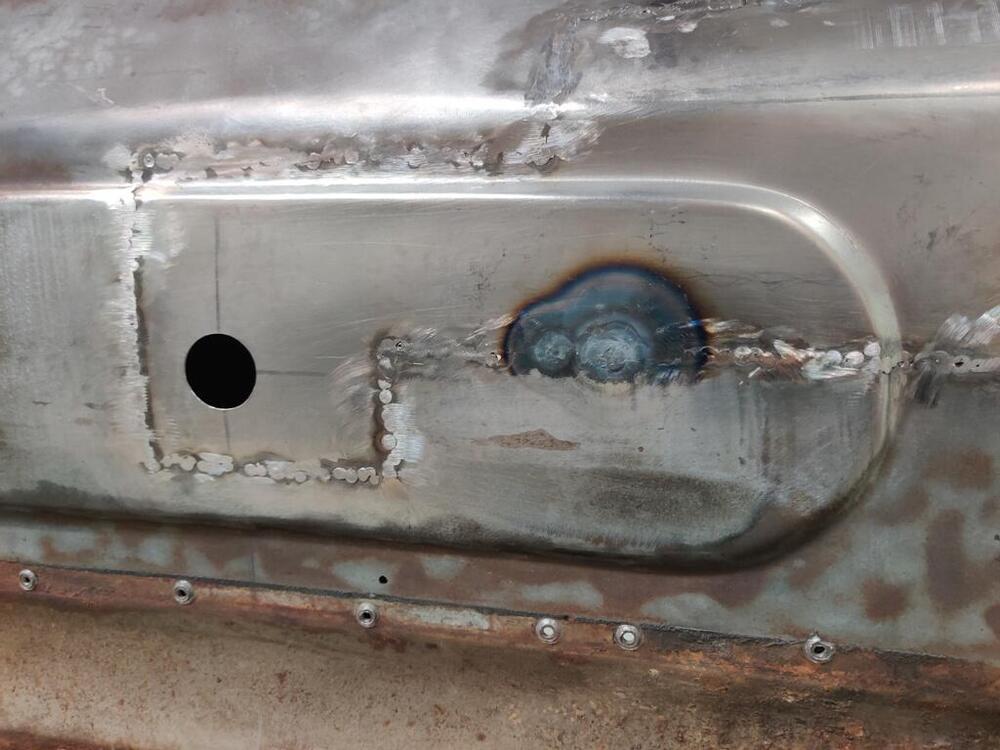
I was sick for a week, but started feeling ok yesterday. I started welding in the replacement on the right side floor. I was able to get it tacked in to my satisfaction. I think the fit was pretty good. Even taking care to move around with the tack welds and being careful, I always get distortion when the area is open like this. Hammer and dolly work as you go is a necessity. Also, heat shrinking is a necessity. Now, I have an acetylene torch outfit though, so that is much easier. I still have some tacking, and possibly some more shrinking, and grinding and finish sanding to do here before moving on to the floor on the other side.
-
Back out in the garage today. I made some progress sectioning in one of the repair panels: I used the new drill press and a hole saw to cut the drain hole in the replacement section. It is a tiny bit undersize, so I will use a die grinder to open it up the last bit to get to the correct diameter. I also used the "shrinker" die that I got from Mittler Bros back before the holidays They were running a Black Friday special. I also used the sheet metal brake I got from them at the same time. I am pleased to be getting some use out of these new tools. I should be able to finish welding this repair section into the right side floor tomorrow. After welding and grinding down the welds, I will be doing some shrinking with an oxy acetylene torch to get the floor panel flat and eliminate any "oil canning".


-
That sucks. I jacked the threads on one of my new Koni yellows when installing them in my car. What Illumina inserts do you have in the car?
-
I was able to find the time this weekend to make the above mentioned mods. And I made three more panels. I messed up on the second one, but the third and the fourth came out nice. This is the fourth. For this one, I didn't need as much extra material around the outside of the depression. This one will be going on the left floor panel. The third one with some extra material outside the depression will be going on the right floor panel. My attempts to weld supporting material to the back of the oval plate was not successful in making it rigid enough not to bend. I ended up determining that it was easiest to press the part by moving the assembly fore and aft in the press. I applied pressure to the middle, and then to each end. There were some tricks I employed to align the oval plate in the ideal position to push down through the plate with the oval cut-out properly. Mainly, I ran some bolts through to locate everything, and then unbolted and re-bolted the thin sheet in the exact location to ensure the oval plate pushed precisely where it needed to. There is some slop in the two forming plates, so you have to get things aligned properly in a way where you can't get it wrong. I got it wrong on the second piece. So I used bolts and holes in the forms for proper alignment in the final pieces. Next, will be sectioning these in the floor panels of the track car.


-
Thanks CO! Sometimes I let my obsessiveness get a bit too much traction - it is true. Unlike many "first efforts" in the garage, this one made me smile. That said, I am guessing I have about 6 hours of fab time into the plates and making one replacement part. And I estimate it will only take me around one more hour or so of time to address three things: The edge on the pressing side of the oval plate is a bit sharper than it should be. One side of my form - the one with the oval cut out of it is 1/8" wider at the opening than the others side. I want to strengthen the oval plate so it will not flex in the press So, the incremental time investment is not much more. Tonight, I was able to quickly address the first item by using an air powered 90 degree die grinder to soften the radius on the oval plate. I use 3" Cubitron 3M sanding discs (36 grit) for a first pass at contouring. Then I follow that with a course hand file for final shaping. For the second item, luckily the side that is too wide is the side that has another plate tack welded to it. Tonight, in a matter of seconds, I broke this plate free from the larger part of the form. Then I pushed one of the "fingers" toward the other just 1/8", and then welded the plate back on. With the form moved 1/8" on this one side, I now have a consistent opening for the length of the form. It'll only take a few minutes of grinding and filing on one side of the form to restore the proper shape. And finally, I will weld a couple of angle iron pieces (cut to the full length of the oval plate) in the orientation shown here so that I will be able to make the next panel with a lot less fuss with moving the clamped assembly around in the press. With those welded in place, pressing with the hydraulic ram just one time in the center should transfer the load equally across the span of the part because the oval plate will no longer deflect at the ends.


-
I follow what you are saying. I tried using a rather thick walled round tube I had on hand to press down across the long side of the oval, without welding to the oval plate. It did better as it was able to distribute more of the load towards the ends of the oval plate, but it still didn't work as well as direct force below the ram. Perhaps it was flexing as well. I'll probably visit my local metal supermarket and look for some suitable drops to add to the plate to make it more rigid. I am thinking about adding some two solid square bars about 1/2" thick lengthwise on the oval from end to end. Then using another plate under the ram to push down equally on those. In the meantime, I turned the assembly 90 degrees and slid it fore and aft on the press bed to get different areas directly under the ram. All of my various sized C clamps made for an obstacle course, making it difficult to maneuver the assembly where I needed it to be. It would be better to bolt the plates together instead of using clamps. If I had to do it again, I'd to make the forms larger on the outer periphery and drill through them and use bolts. This would make a better finished panel and give me the additional material I need beyond the over depression. I could just cut the part of the panel where the bolts held it. Pictures of the finished "prototype" - where I removed one of the C clamps to allow maneuverability in the press I got a large wrinkle. And I got a few more wrinkles around the outside of the panel outside of the form. But I think I'll be able to straighten those without much effort with a hammer and dolly. I am quite pleased with this first attempt! However, I am going to address a couple of small issues and try again. I hope to make an improved version, and then a second one for the other side of the floor of my track car.


-
As I got closer to wrapping up the two plates pictured above, I realized I needed a third. In order to press (or stamp) the floor panel section, I not only have to use the big oval plate to press against the thin sheet against the large rectangular form, I also need another rectangular plate to sit on top of the lower rectangular form and get clamped securely to it. Only by sandwiching the thin panel between these two plates and pressing downward with the oval plate can I replicate the shape of the original floor panel. So, what I have done here is drill a hole in the center of the oval plate that the hydraulic press will push on. And, I have drilled the same size ( 5/16") diameter hole in the replacement floor panel section which is 22 gauge thick (.299"). Then, I bolted the oval plate to the panel section. I moved the other plate (with the oval cut out) to the other side of the panel section. To align the plate with the oval cut out properly, I drilled two holes, both at opposite corners of the replacement section. By drilling these before moving the plate with the oval cutout to the backside of the panel, I was able to establish the correct location for the plate with the oval cutout. In the picture above, after drilling the holes, I moved the plate with the oval cutout to the other side of the repair panel section, and then I ran some bolts through the repair panel section and that plate. This effectively locates the plate with the oval cut out in the correct orientation so that the oval plate will be able to push down through properly. I got to this point when I realized I would have to make another plate. With the remaining scraps I had on hand, I made another plate to surround the oval plate. This new plate then has to be clamped tight to the original plate with the oval cut out to create a rigid structure to hold all sides of the repair panel tightly. With the entire periphery of the repair panel held tightly in place, the operation of the press against the oval plate will be effective in pushing the repair panel downward only where the oval plate is contacting it. So, this is where I am at right now :) I manually operated the press to push down on the oval plate to test how everything would react. The good news is that in the area directly below the ram, the oval plate pushed down on the repair panel section and it definitely performed as expected, depressing the unclamped portion of the panel. I can feel the depressed area of the panel when I reach up under the assembly and touch the backside of the repair panel in the center of this form assembly. However, the oval plate bent very noticeably such that only the center of the oval panel pushed the repair panel downward. At the far ends of the oval plate, there was little to no movement downward. Given the large size of this repair panel, I do not have enough room in the press to shift the assembly to the left or right to apply pressure directly to all parts of the oval plate. Instead, I will need to make the oval plate more rigid and attempt to make depression in the repair panel again. That shouldn't be too difficult. I just need to weld some support to the top side of the oval plate to give it more strength to resist bending when the pressure is applied to the center area of the plate. Stay tuned!


-
Unable to find a hydraulic press on Facebook or Craig's list that was 1) adequate in size, and 2) reasonably priced, I found my way to the grizzly.com website while they were having a free shipping promotion. After much thought, I decided to buy a 50 ton press. Yes, it is a bit overkill. My 12 ton harbor freight press has served me well. I rebuilt a couple of transmissions with it, and a differential. And I used it for some bumper straightening as well as pressing studs into hubs, etc. Oh, and I was able to replace rear control arm bushings with it too. It really is sufficient for most automotive hobbyist needs. I also took advantage of the free shipping promotion and bought a drill press. I had considered buying one many times over the now more than three decades I have been doing hobby work on my cars. All things considered, at this later point in my life, I figure I will buy some of these things while I am still active with my hobby. With the new tools set up in the garage, I have picked back up on attempting to make the floor panel replacement section. I had to resized the length of the form a bit - I had to make the opening longer. Cutting the .250" plate with a jigsaw didn't go as planned. The cutting blade wouldn't quite make the desired cut radius. So, I had to make some adjustments. The part that I cut out of the plate will be used to push the new repair piece into the outer form. I also had to build up the length of the former by welding along one of the curved edges. I built up additional material with weld beads and then ground that new material to shape. The first hole with my new drill press: This is also the location of the factory drain hole. I will bolt the replacement panel to this oval form using this 5/16" hole. That will keep the form from shifting on the part. Additionally, I will clamp the outer form (the one that is a rectangle) to the oval form along all of the edges. The idea is to clamp the sheet in place all around the forms so when I use the hydraulic press to push the oval into the other form, it will make the large oval depression in the sheet. I have many hours into the measuring, cutting, grinding, hand filing, etc. of the forms. I have a bit more grinding and filing to do before I will attempt to "stamp" the part. I am thinking it will not come out as desired on the first try, but I hope I can get it to be a nice replication of the factory shape with a couple of tries.


-
I have lowered the prices a bit.
-
LOL. I think the Nissan electronic parts catalog has an error. Maybe give it a month and see if it corrects. The dealer pricing changes typically once per month. I paid $61 for mine just a few years ago from this place which currently has it for over $1500. https://www.nissanpartsdeal.com/parts/nissan-sender-f-gauge~25060-e4100.html
-
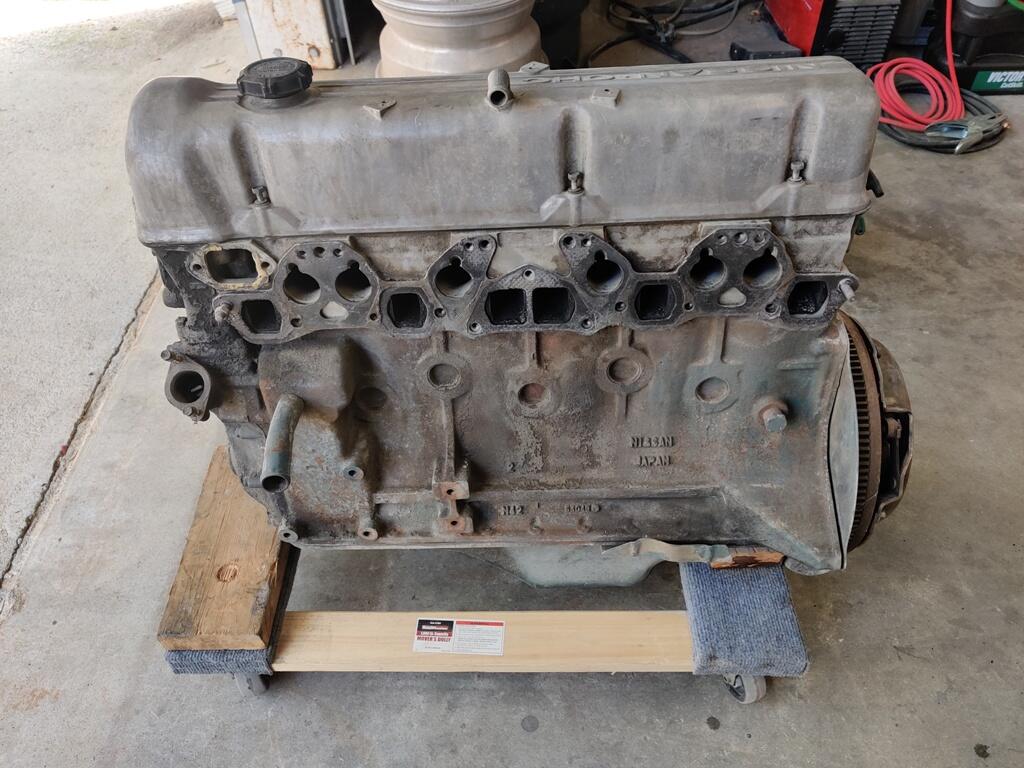
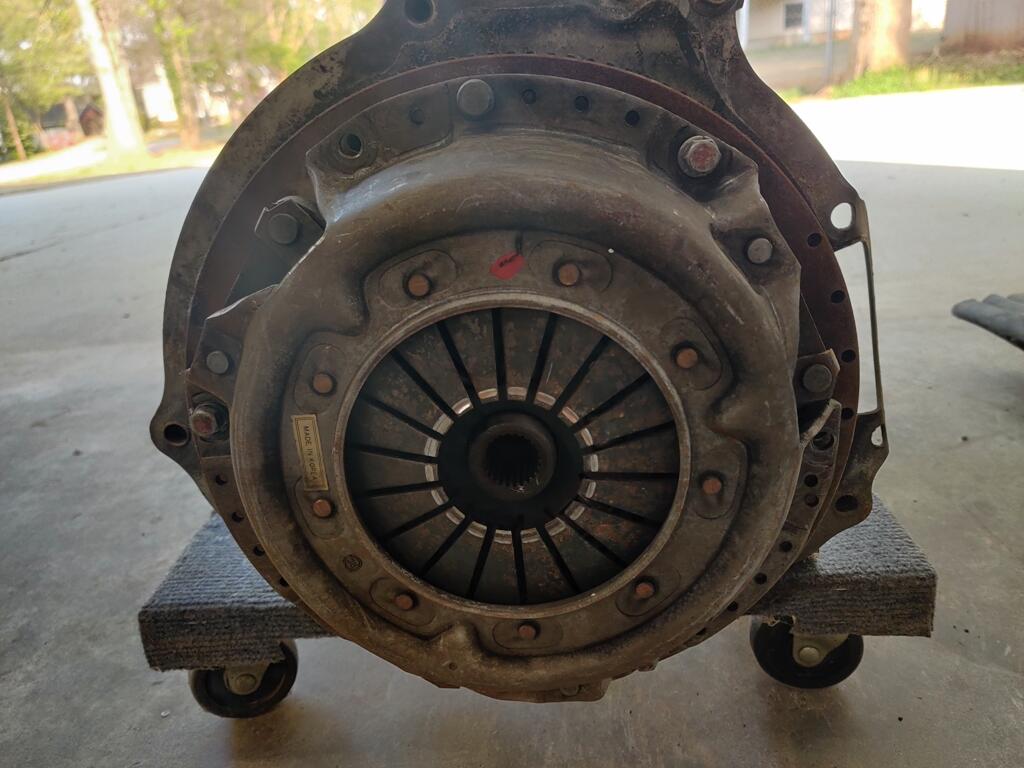
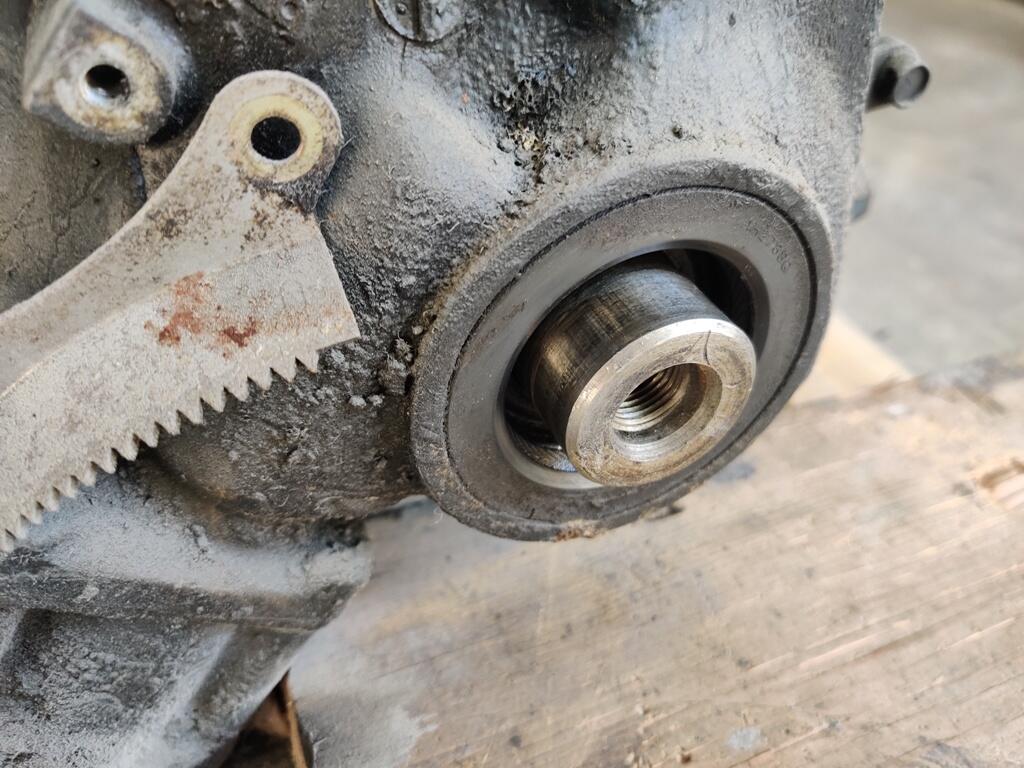
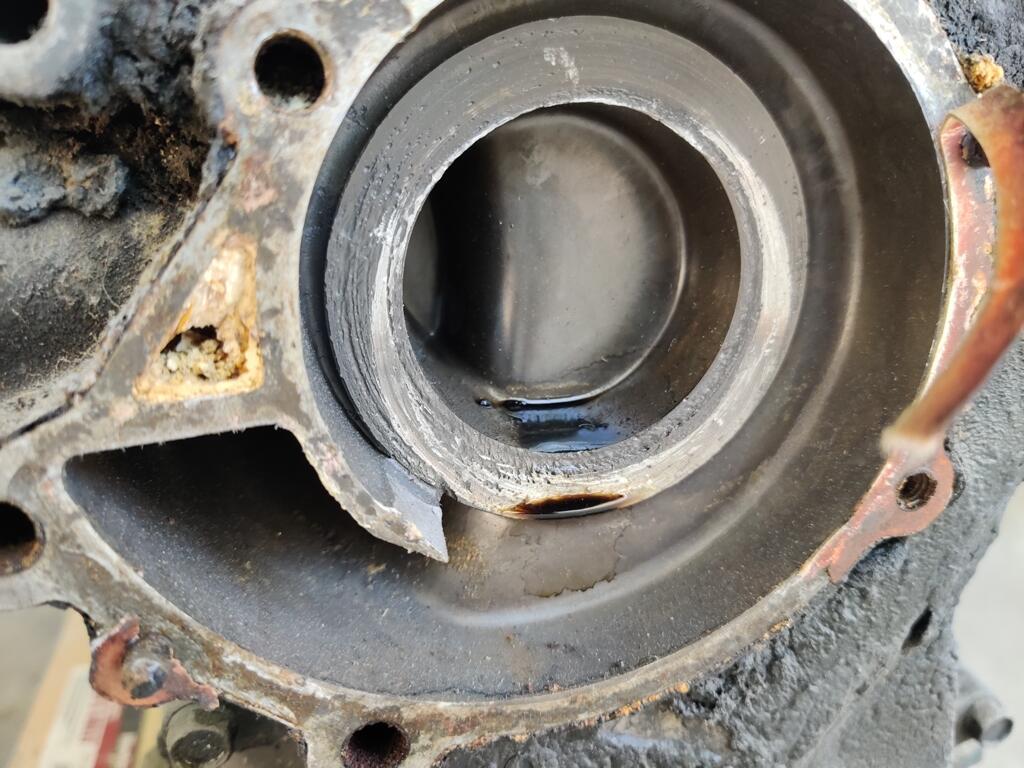
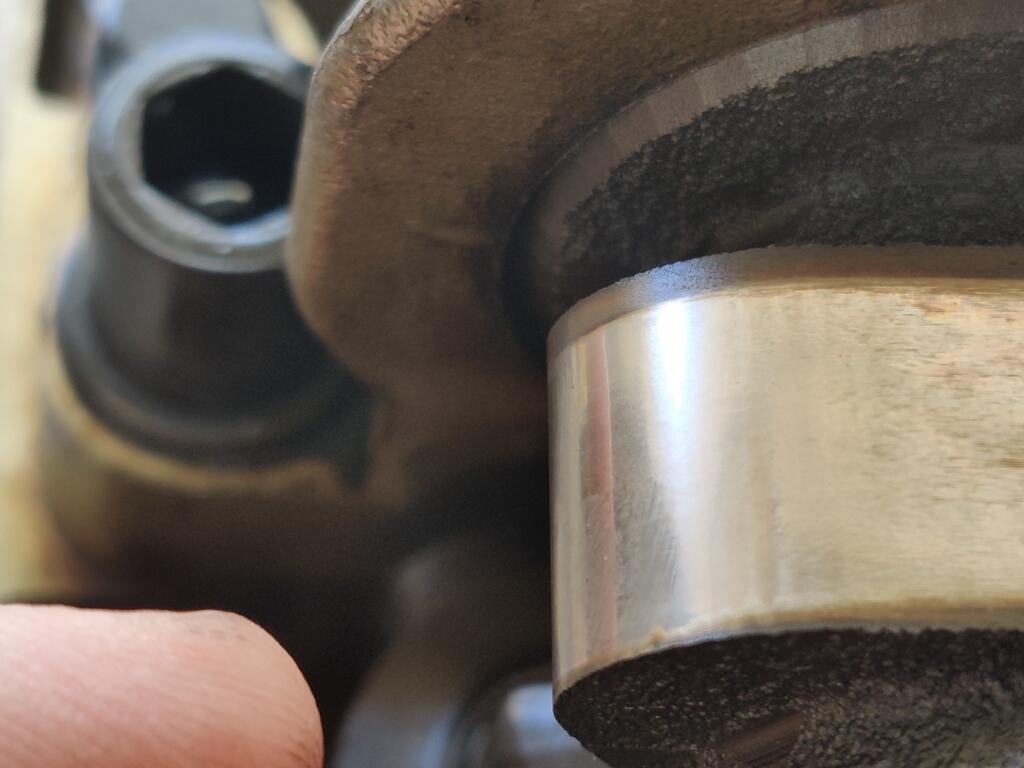
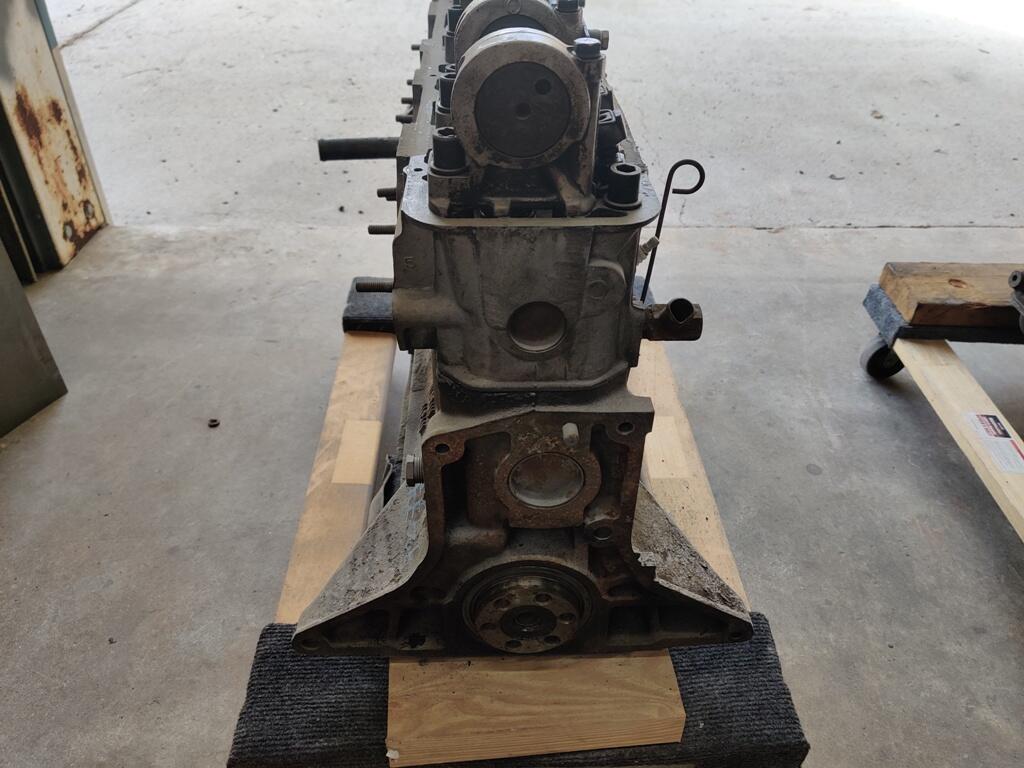
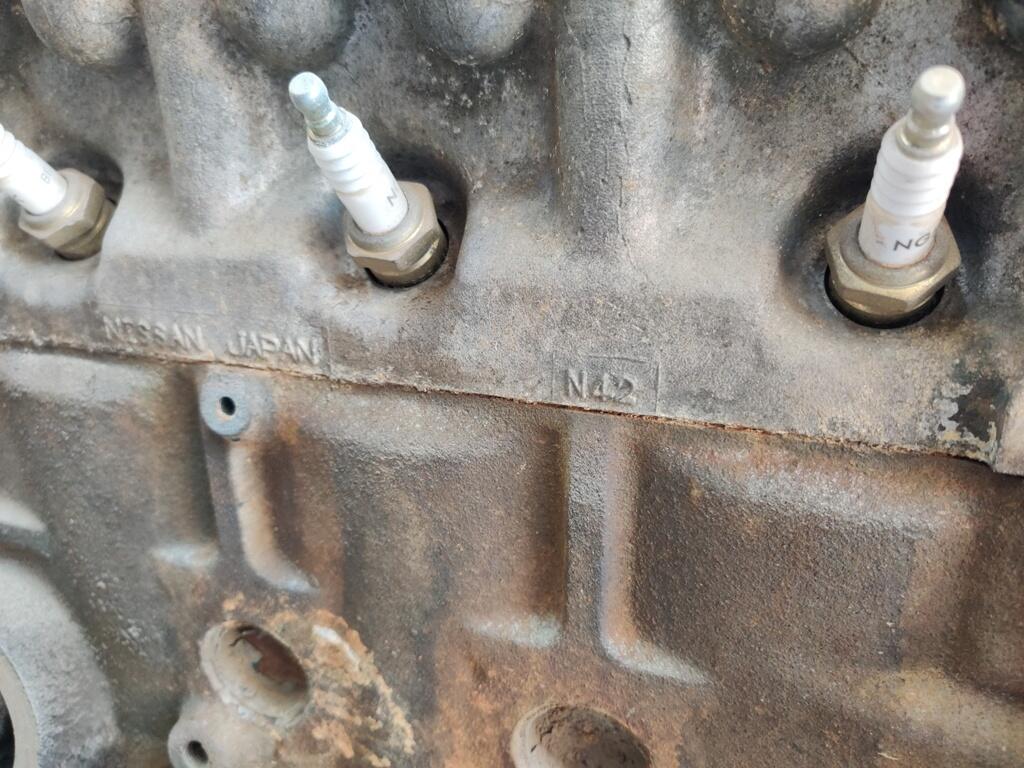
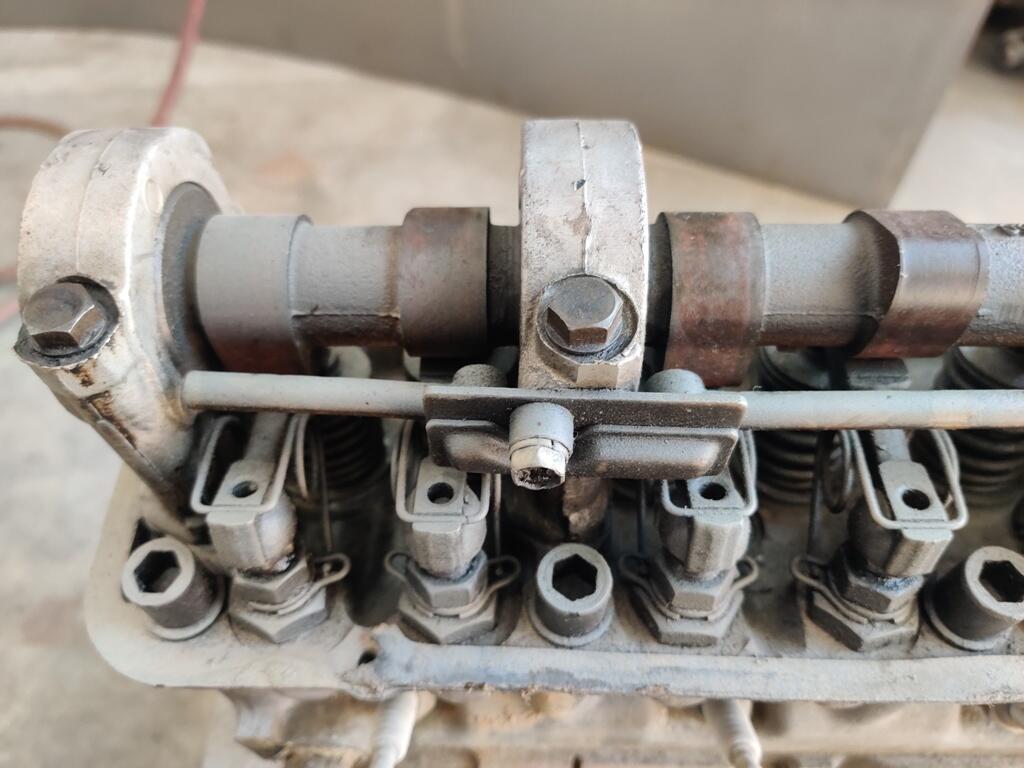
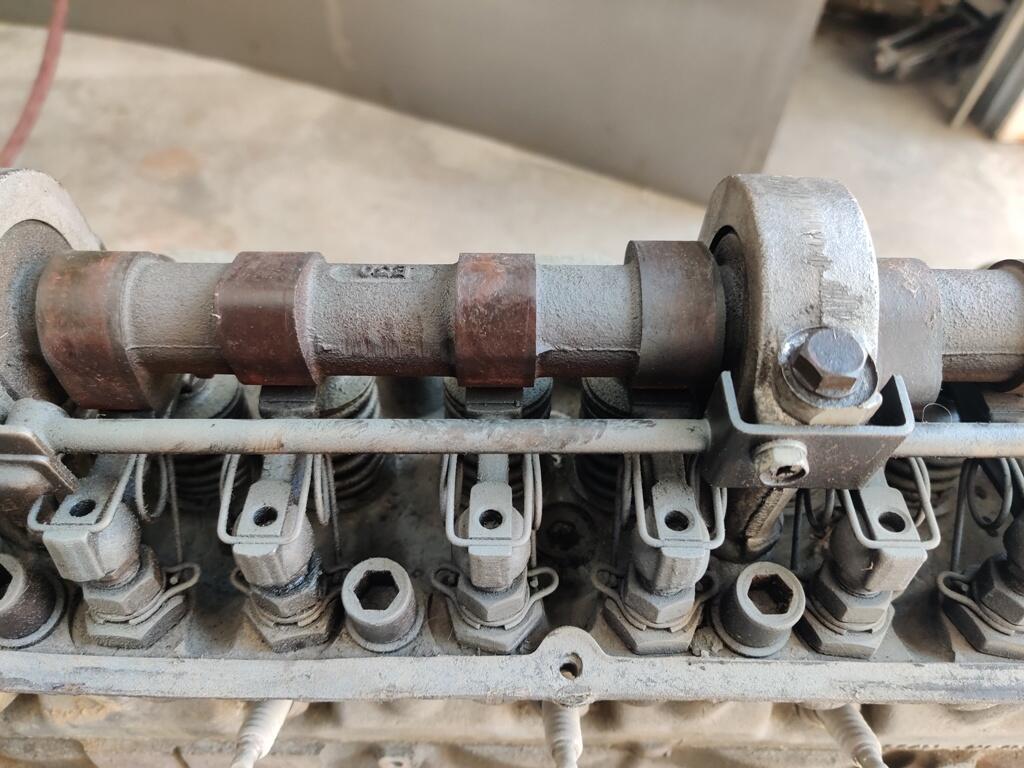
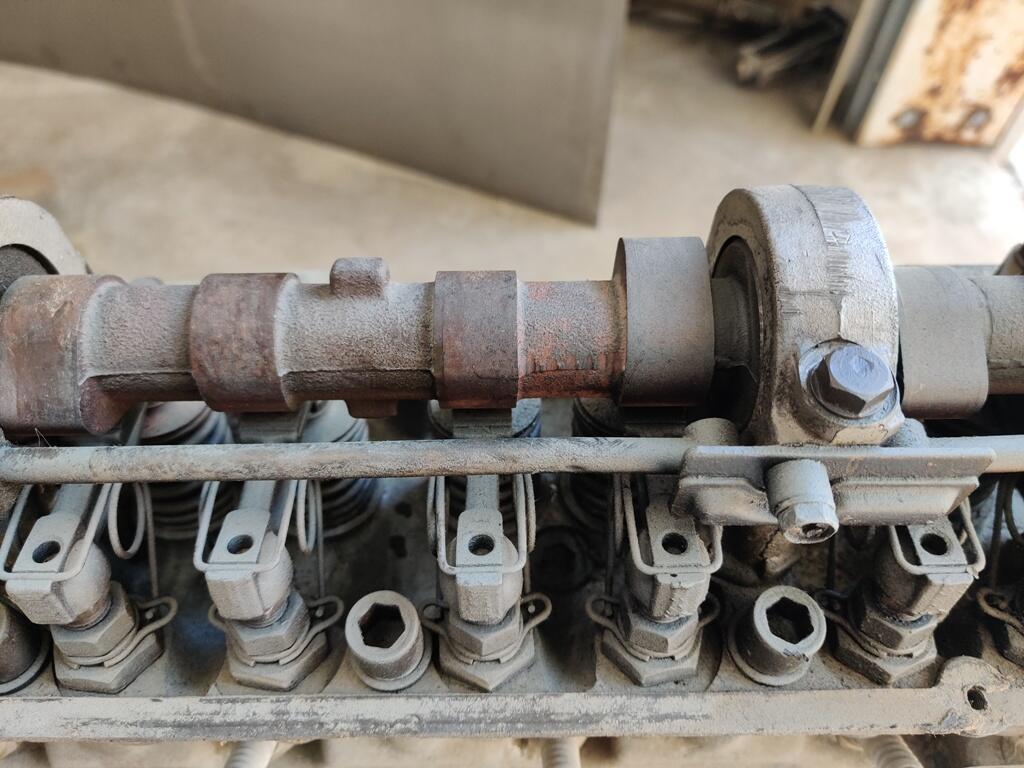
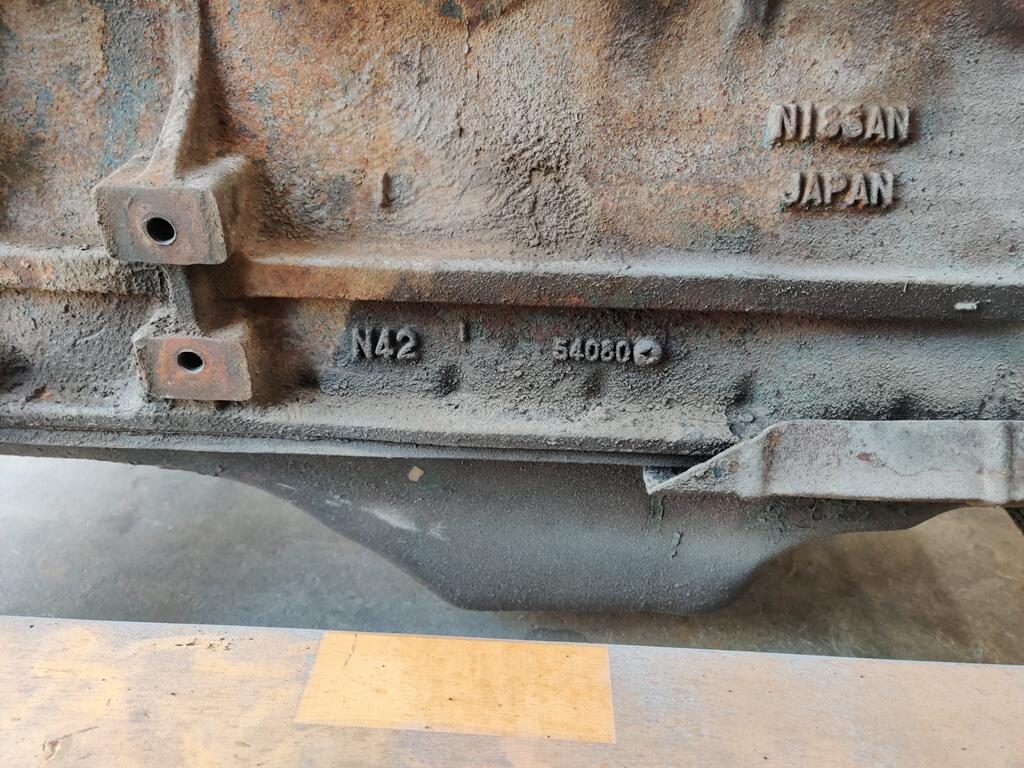
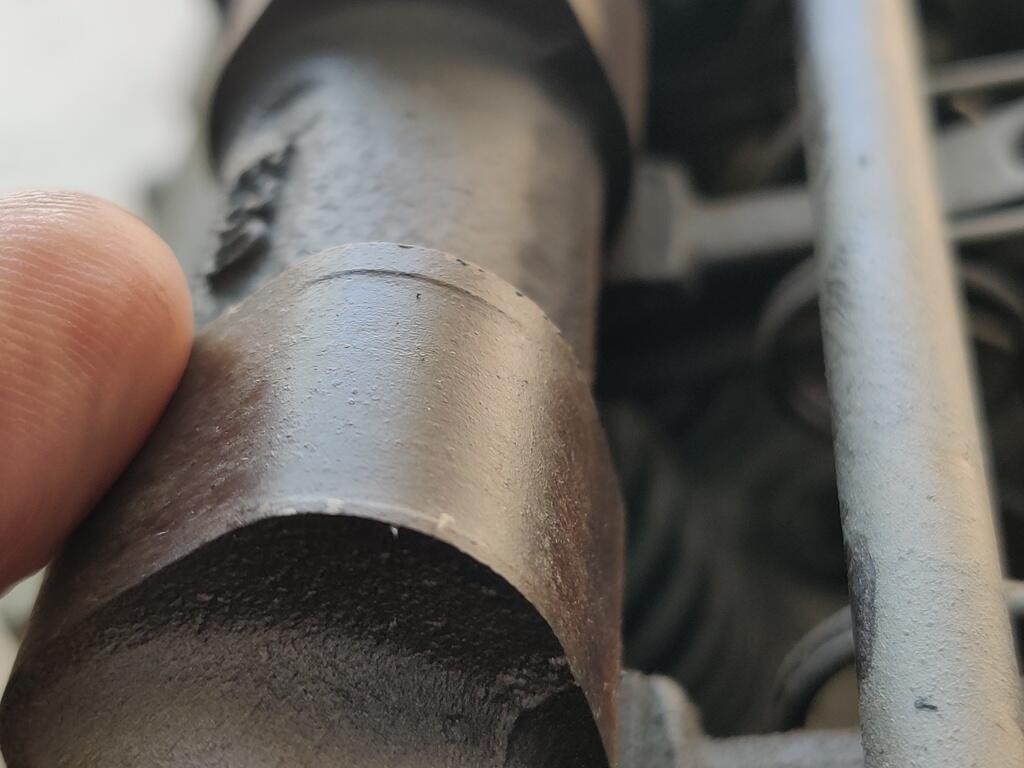
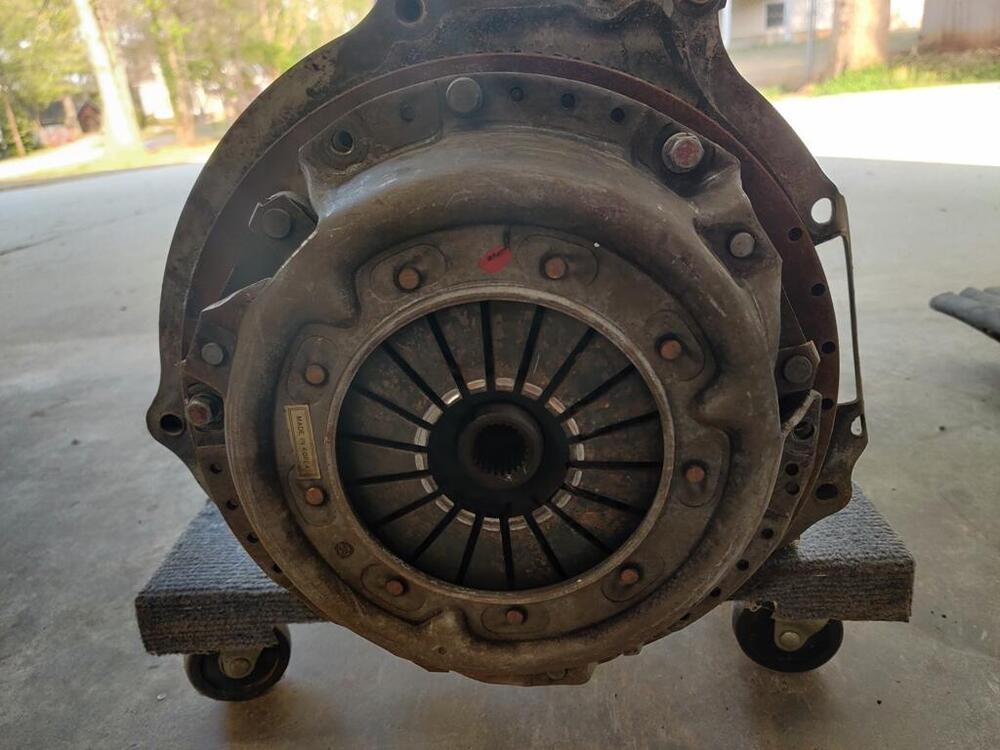
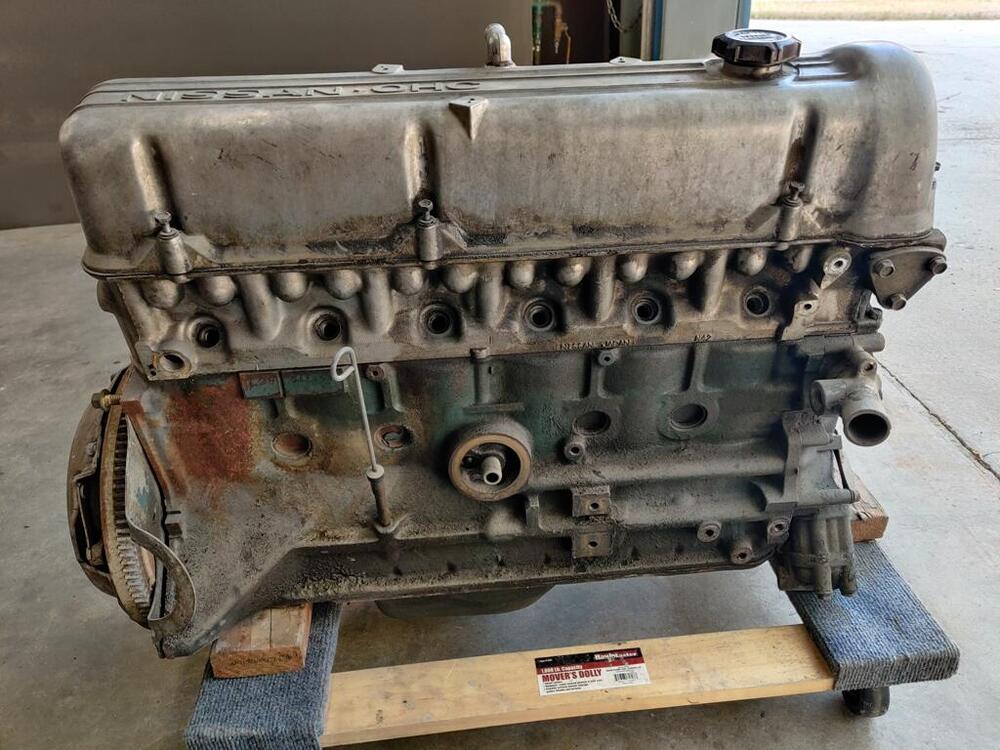
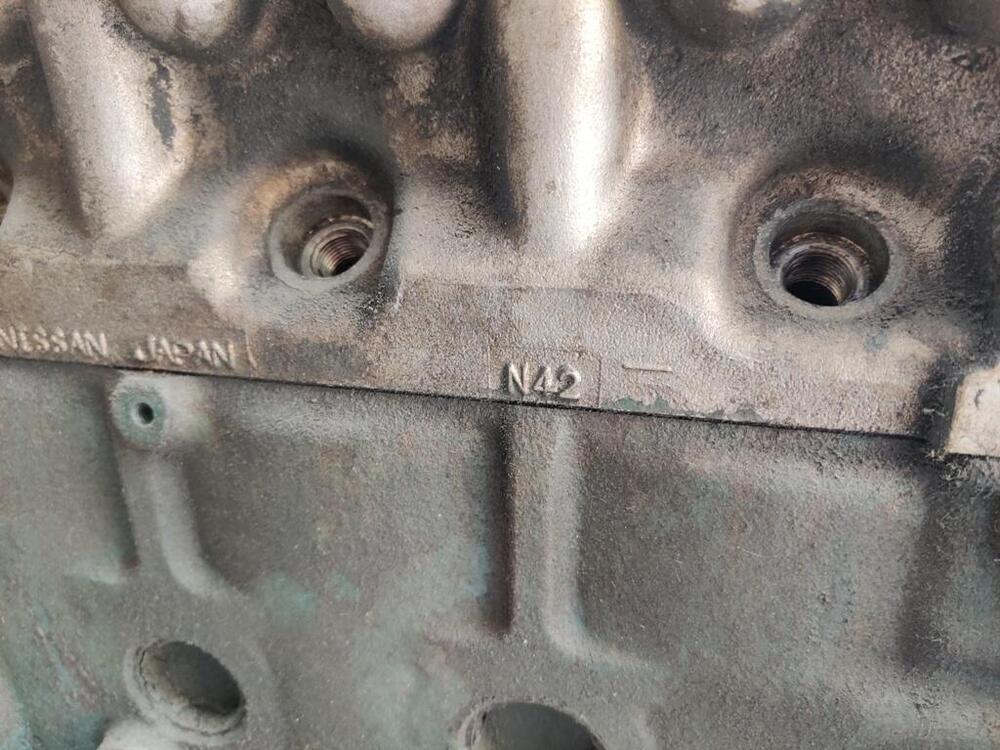
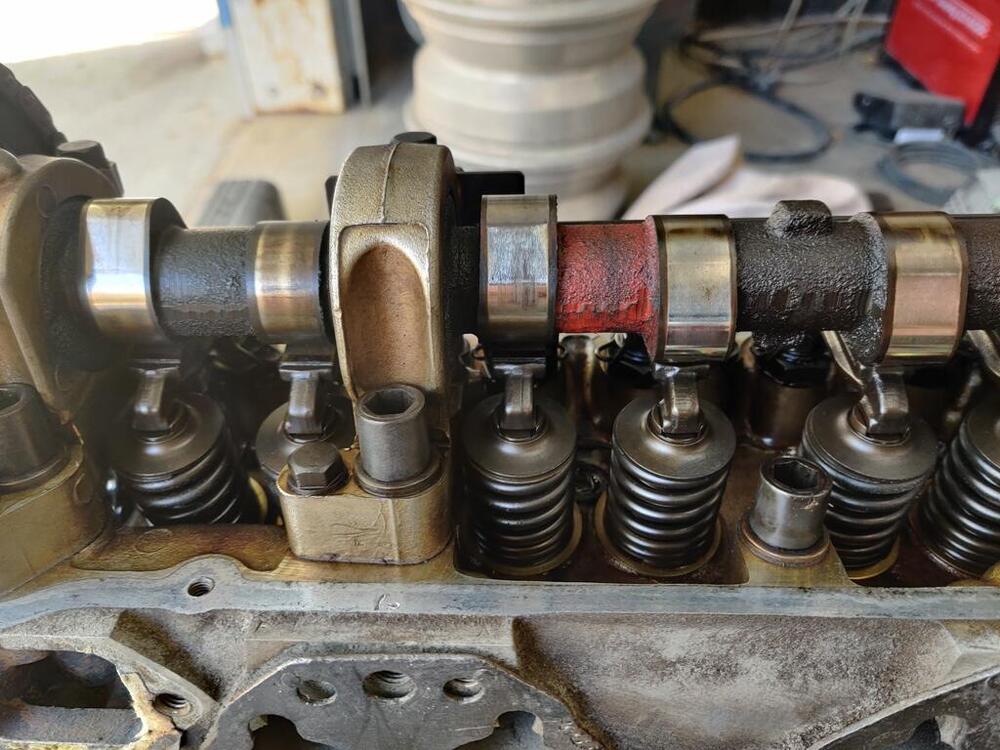
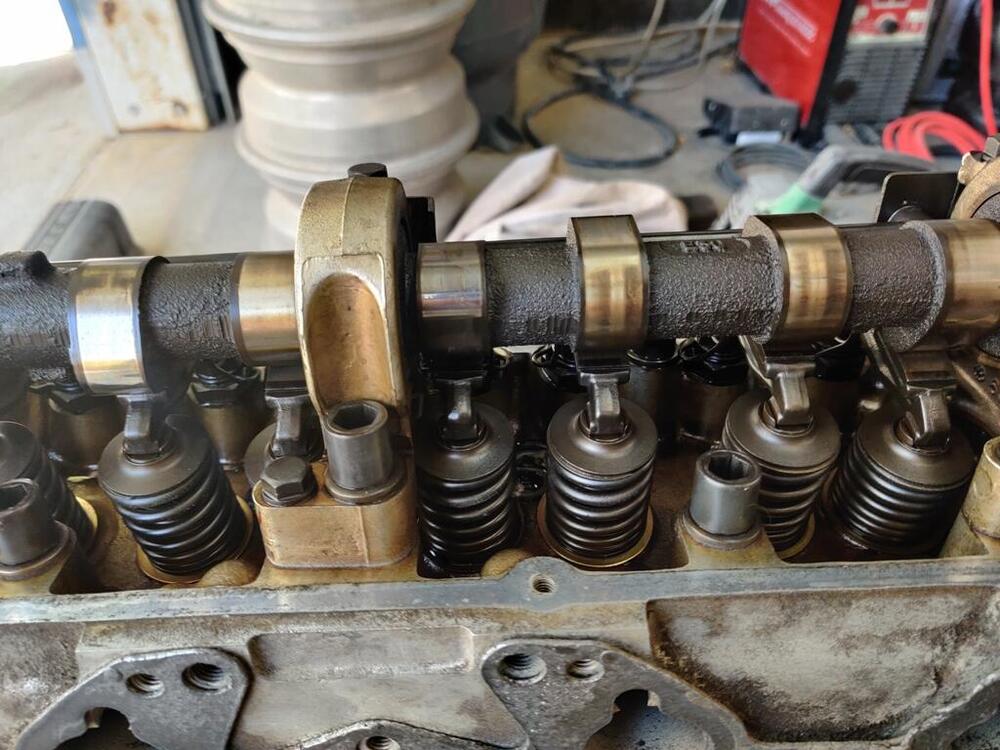
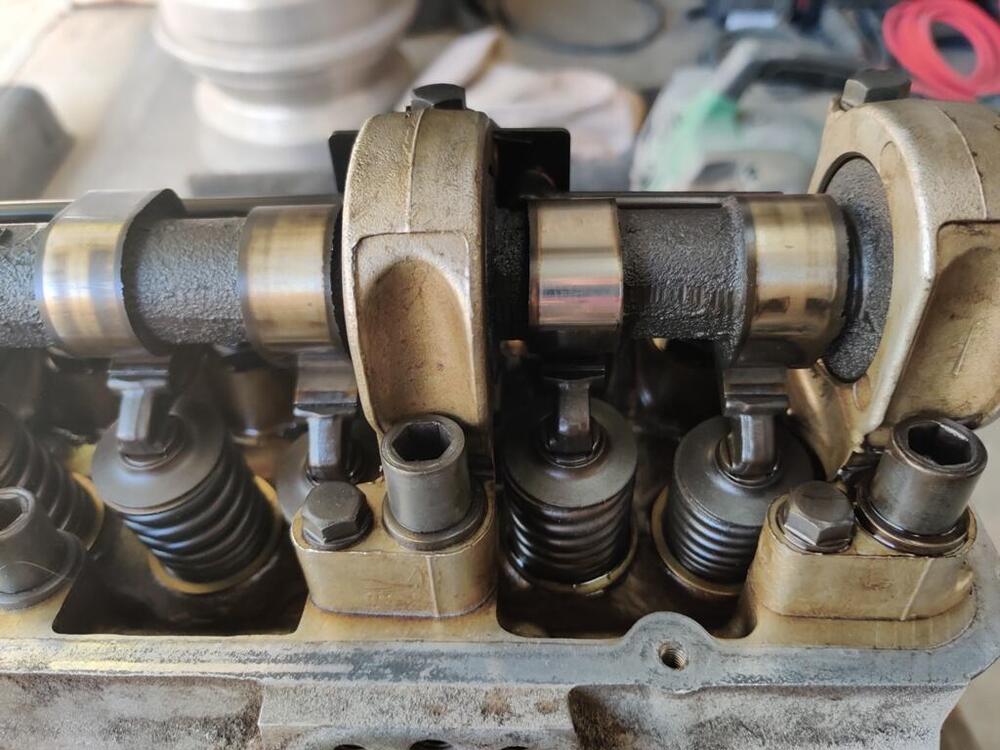
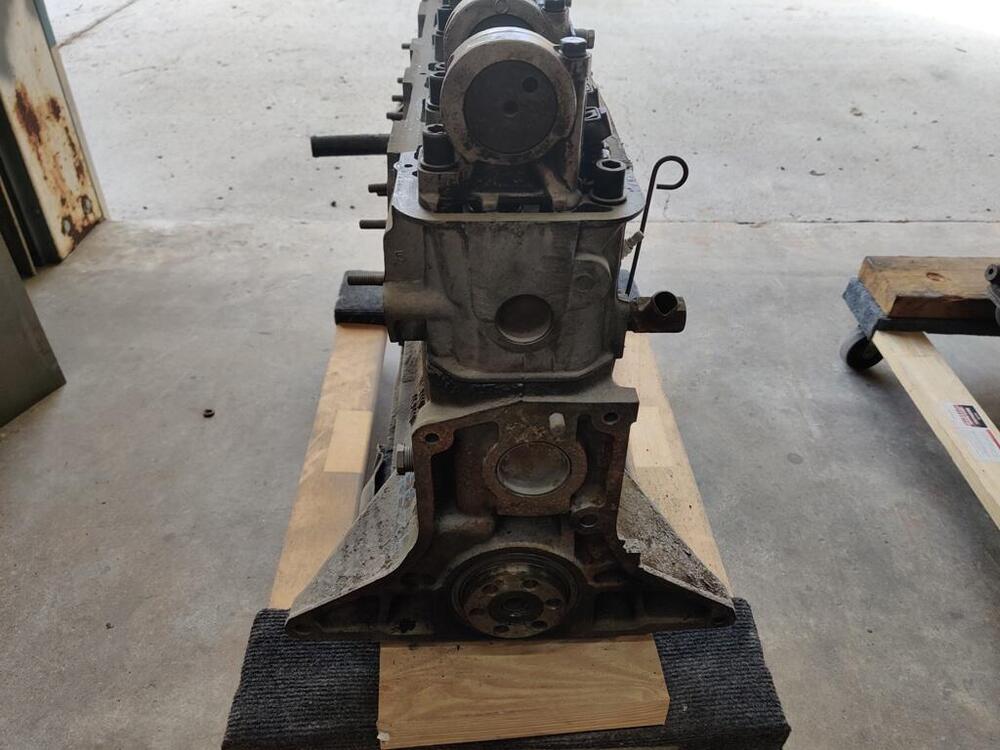
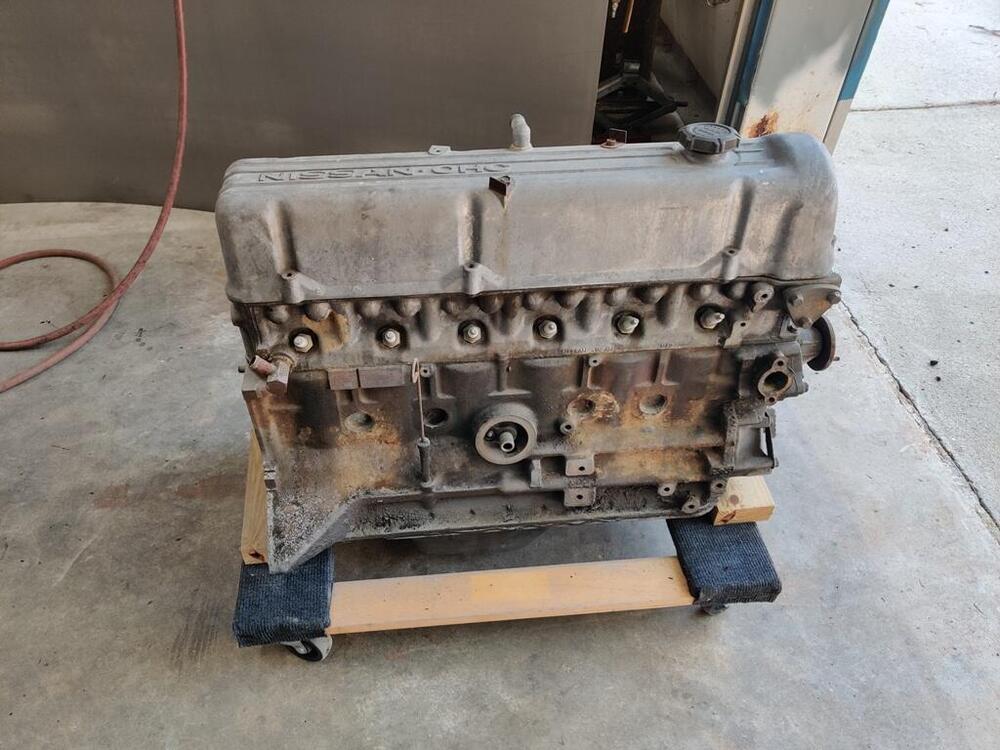
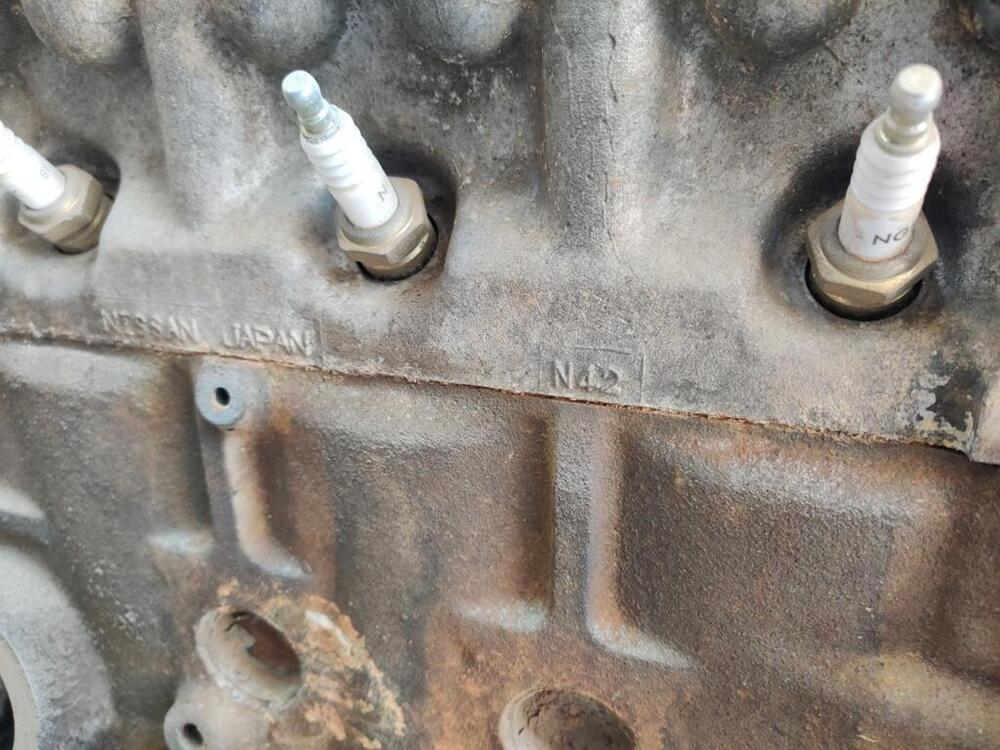
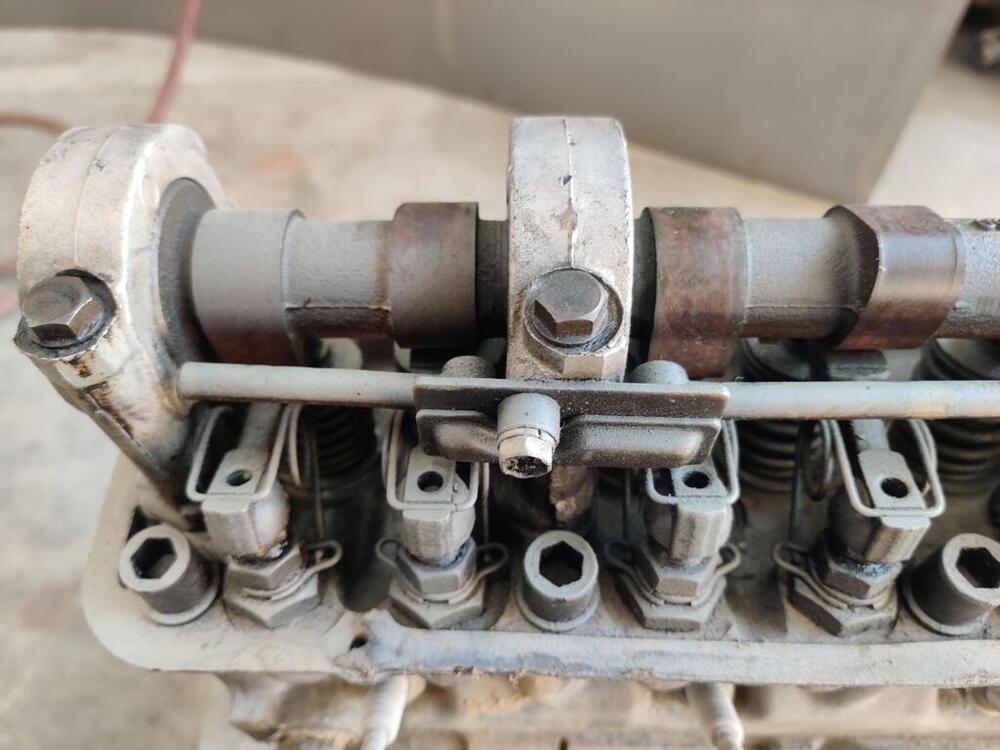
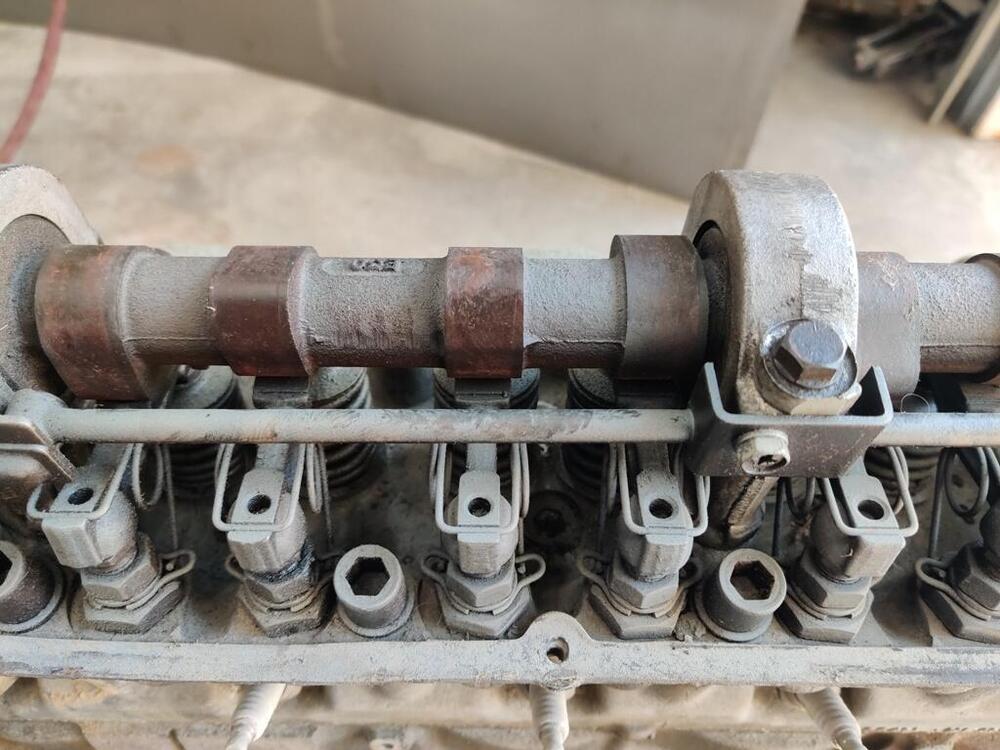
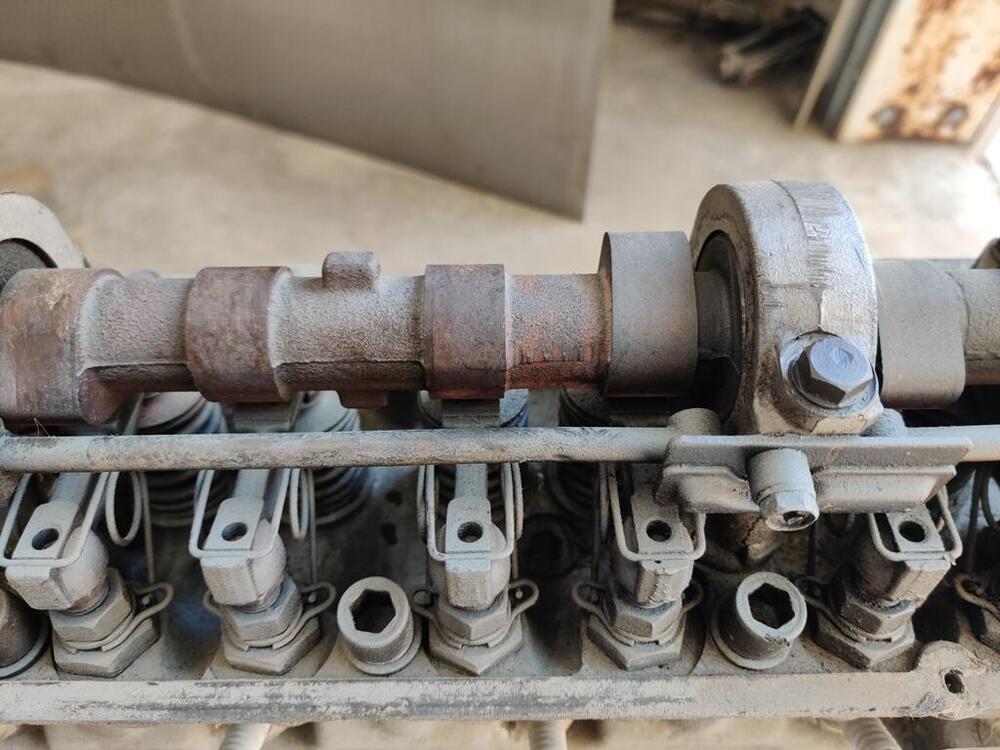
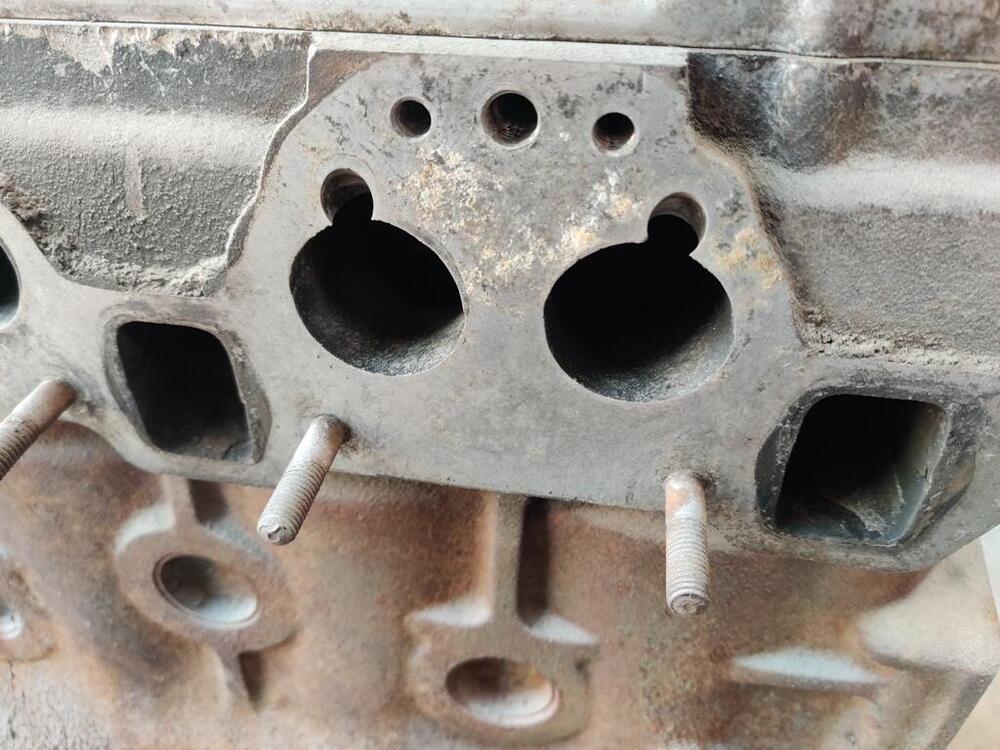
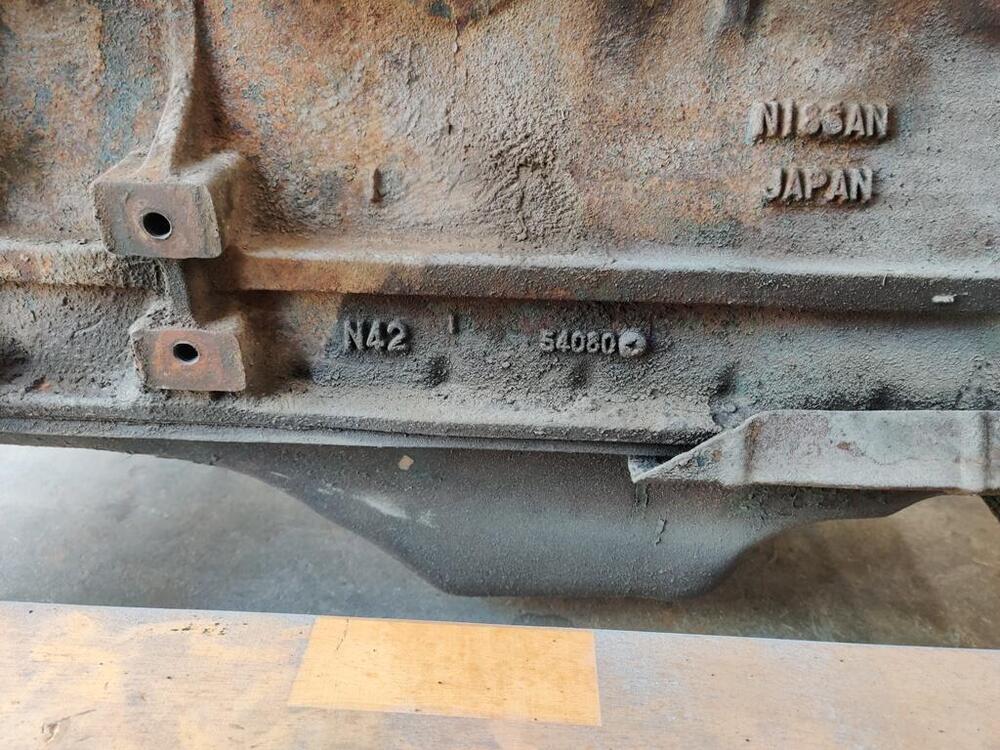
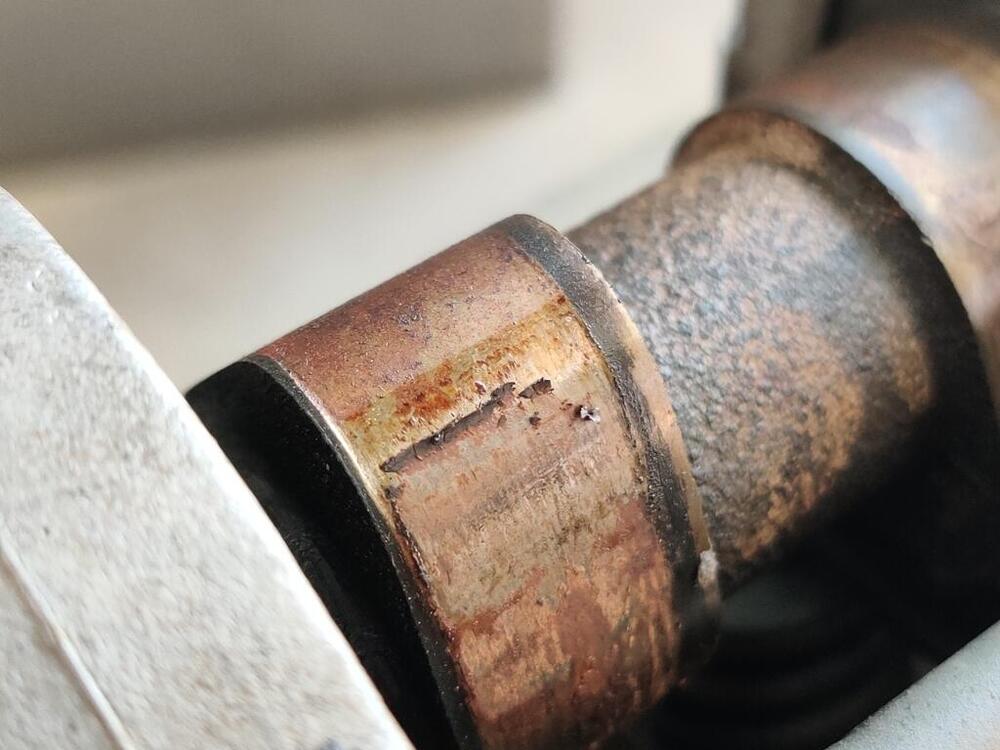
For sale is one L-28 long block. This is the desirable N42/N42 block and head combination. About 10 years ago, when I needed to build a new engine for my "track day" car, I located and purchased three of these N42/N42 engine and block combinations. The first block we sonic tested accommodated my requirement of an 89 mm bore size, so I didn't need to use either of the remaining two spare engines. These remaining two were removed about 10 years ago from cars which were in the same salvage yard in VA and have been stored inside my garage since. Both engines rotate by hand. I now need to free up some space in my garage, so I am interested in selling one of these off. Long block option #1: Price: $750 $650 plus shipping to your location or you can pick it up in Marietta, GA. Pics of option #1: As you can see, option number one is pretty clean with no corrosion on the cam/valve train and has a clutch pp, disc, and flywheel. Long block option #2: Price: $500 $425 plus shipping to your location or you can pick it up in Marietta, GA. Pics of #2: As you can see, option #2 shows some wear on the cam lobes which also have rusted. Questions? Need more info? Want hi res pictures? Just ask. Thanks! Garrett







-
Hi WolfZee, A transaction is in progress. If anything should change, I will let you know.
-
-
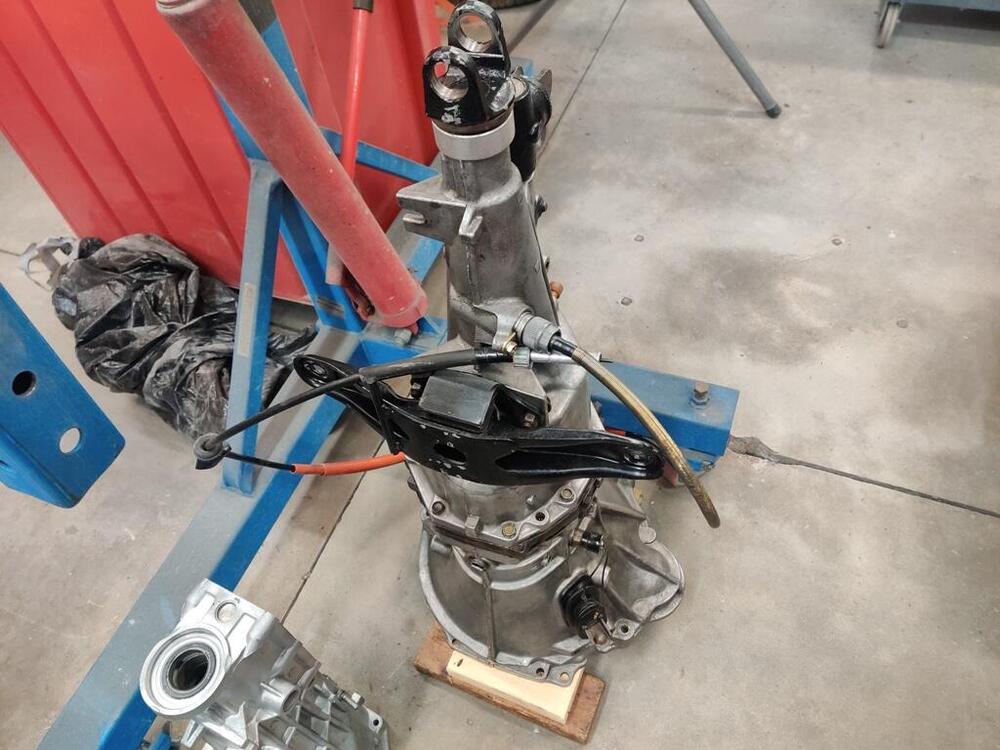
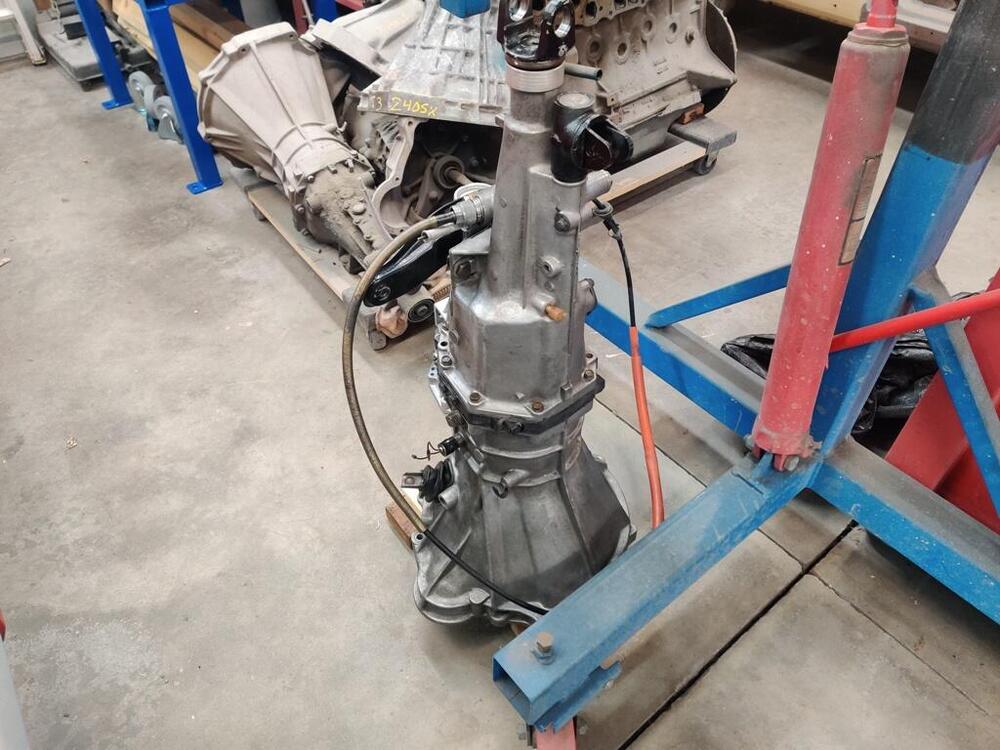
I have used this transmission in my Z for many years. After putting many miles on it over a number of years, I decided to rebuild it because it was grinding a bit when going into second. I rebuilt it myself using all new OEM bearings and synchronizers. I also replaced the seals/o-rings on the main selector rod. It has had little mileage added since the rebuild. It is in very good condition. I am switching to a 240SX transmission, so I no longer need this one. Price: $600 plus shipping or you can pick it up from Marietta, GA. Gear ratios: First 3.062 Second 1.858 Third 1.308 Fourth 1.000 Fifth 0.745 Not included are the speedometer cable and the series one transmission crossmember, though I will sell the crossmember separately.
-
I have been updating an old engine build thread on HybridZ.org with content, but there is little interaction/engagement there. So, I figured I would like to post updates here as well. My efforts to get this other Z back running have expanded quite a bit beyond the rebuild of the 3.0 stroker motor. At the moment, I am working on repairing some rust in the floor panels. I have been watching a number of "Make It Kustom" videos on Youtube by Carl Fisher. In one of them, he creates some forms out of 3/8" plate to create a "hammer formed" part. Additionally, he uses a hydraulic press to "stamp" a recess into the battery tray he is making in the video. The rust in my floors on this car is not extensive. It is generally in the area of the large oval depression in the floor panel (on both sides of the car). Yesterday, I spent a few hours cutting out and grinding/filing on part of the form I plan to use to replicate the depression. On the right side floor, I only need a small portion of it. On the left side, I will attempt to make a full piece to replace the depression. I've never done anything with forms likes this, so we'll see how it goes. I will be using my 12 ton press because it is what I have to attempt to make the replacement part. But, I have been watching facebook for a suitable upgrade, perhaps a 30 to 45 ton press.

-
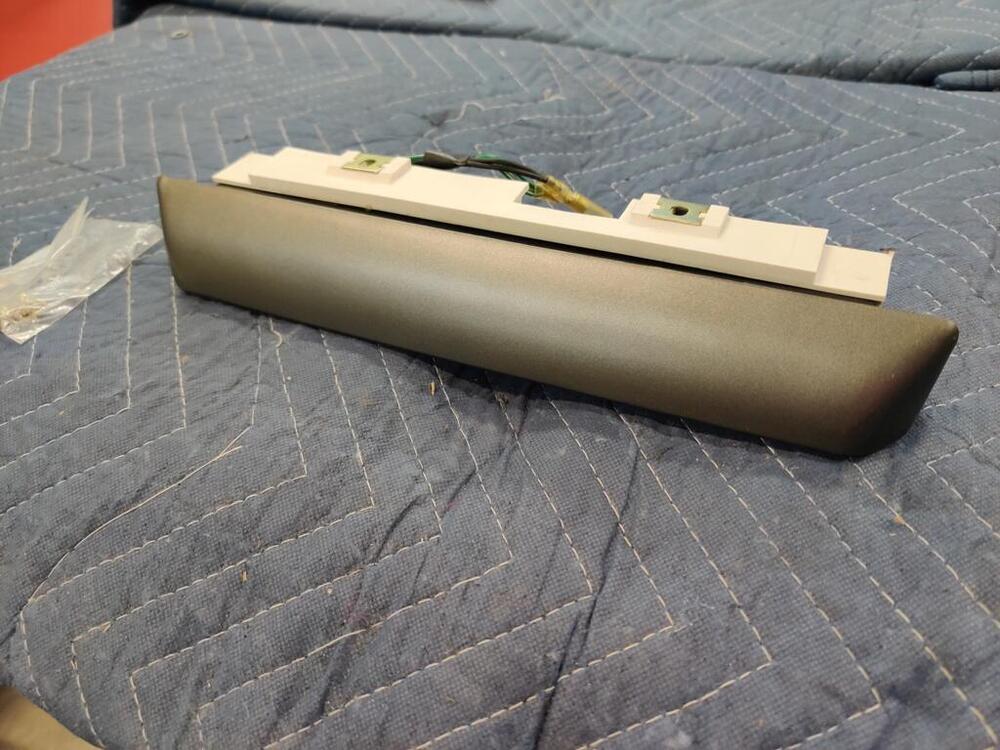
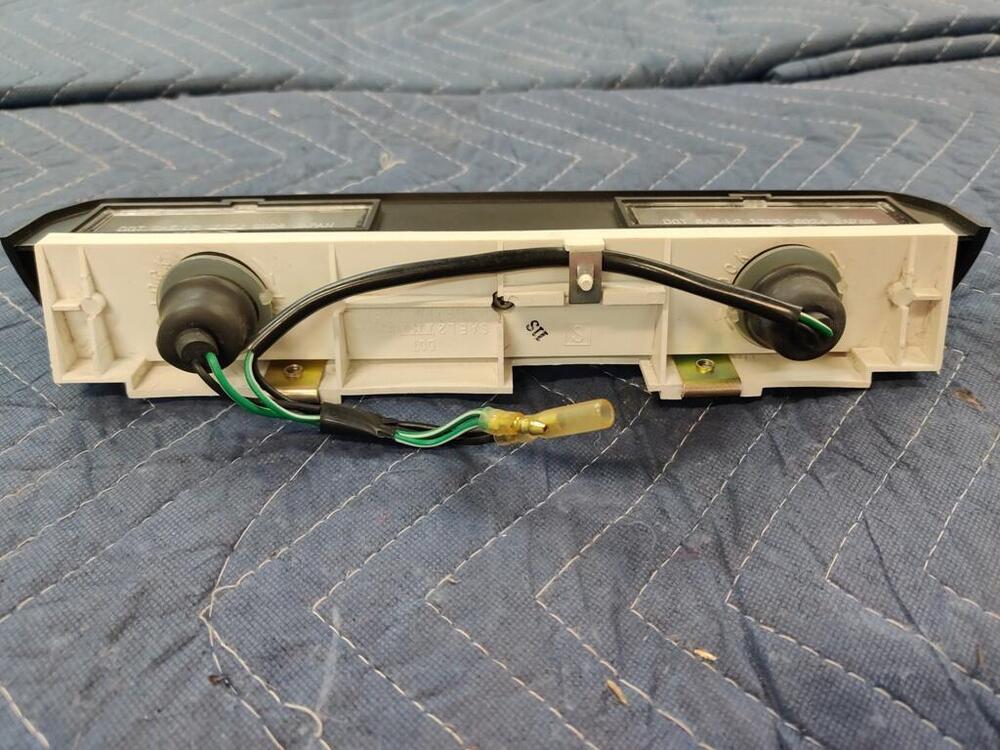
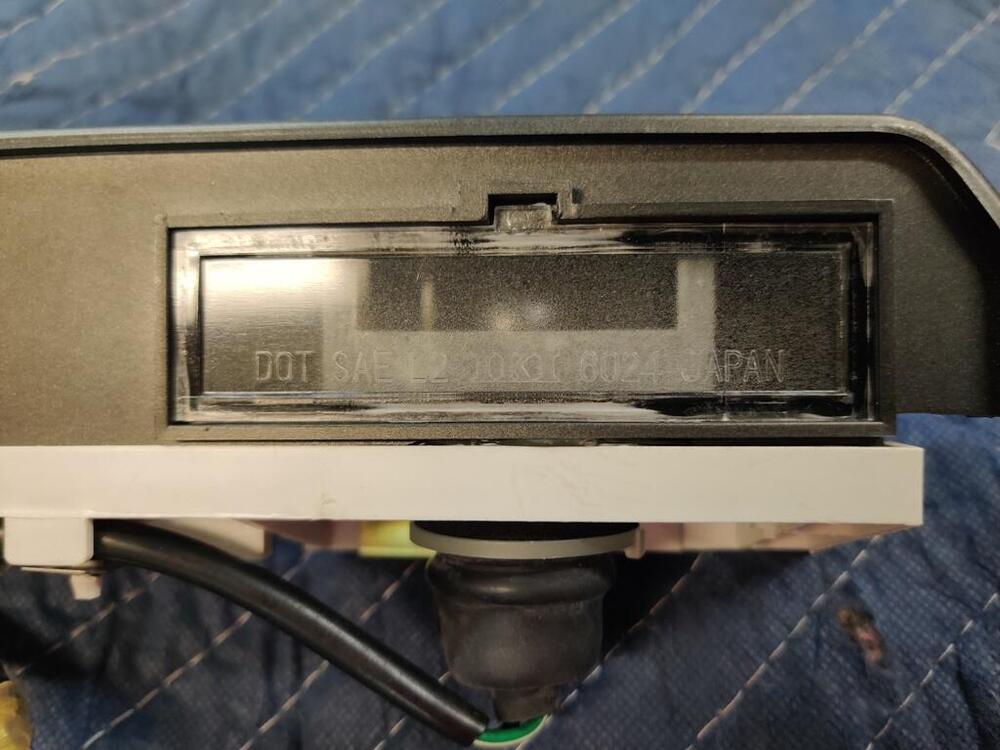
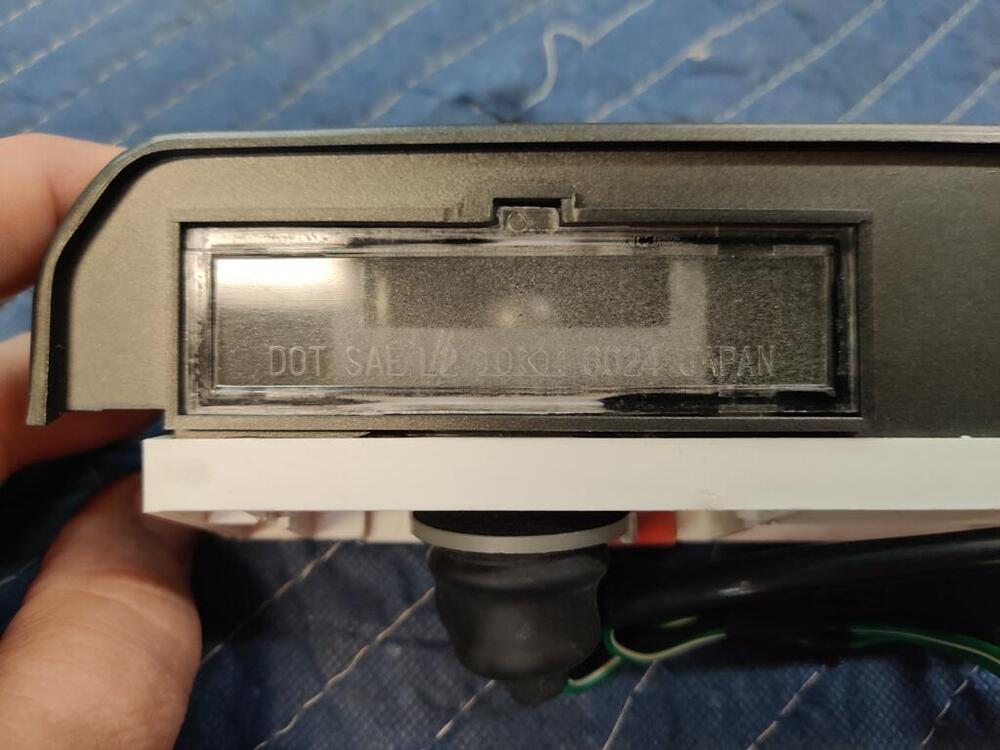
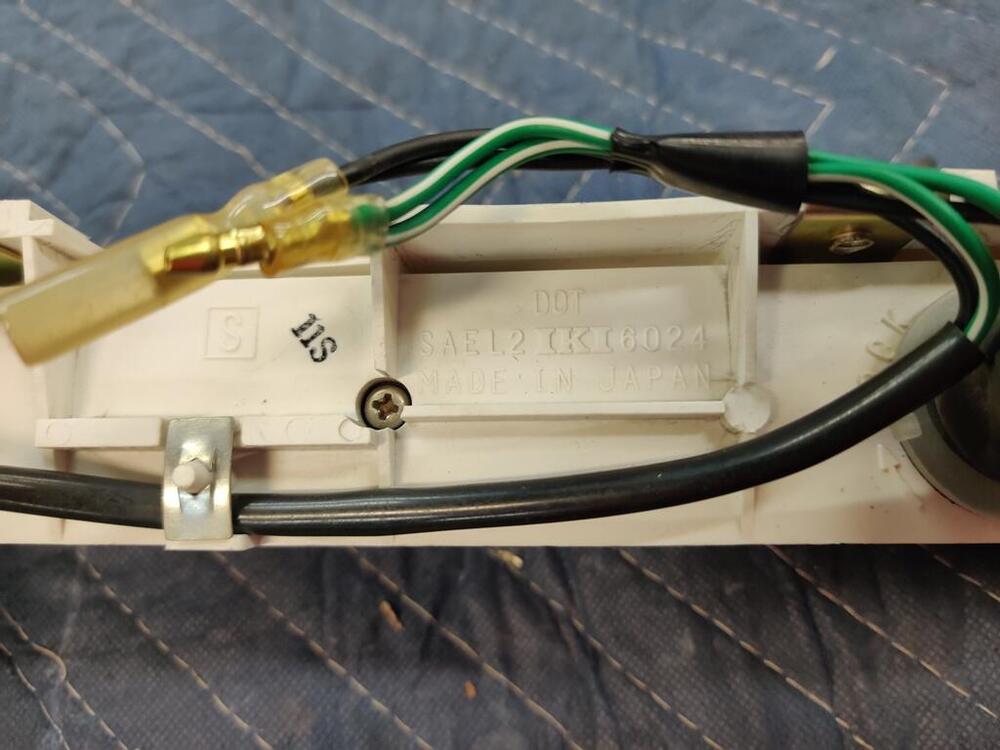
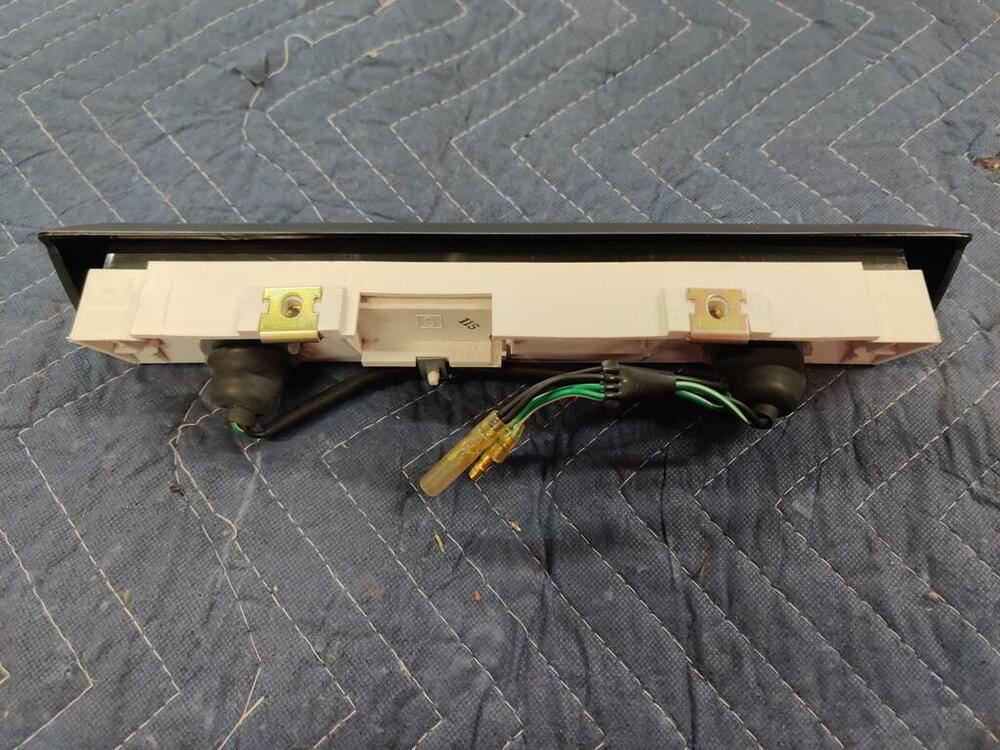
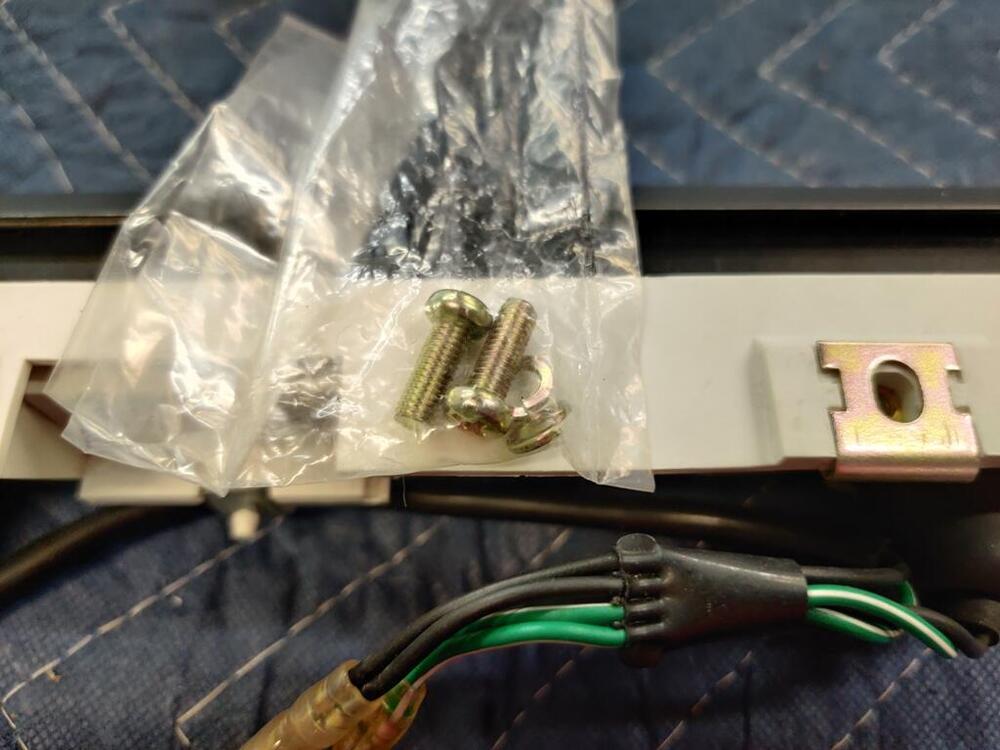
Unused (NOS) 26510-N3400 license lamp for 8/73 and later Datsun Z cars! Ready to bolt on - no repainting or cleaning your old/scratched one - saves you time! I am unsure of the upper date range cutoff for fitment. Please look at the pictures to determine applicability for your car. I didn't realize at the time I purchased it that it was not the correct lamp for my 71. As received, it had a slight discoloration (like a finger with thinner on it wiped it accidently) when I got it. I used the Ford color and matte paint (as detailed elsewhere in the forum) to touch up just the front face (not the whole grey area). The paint match looks very close to original. Hi resolution pics available. Price: $200 plus shipping cost to you.
-
Hi, Any interest in the overrider bar? I just saw that this new old stock overrider bar popped up on eBay, in case you find that of interest: https://www.ebay.com/itm/147201036119?mkevt=1&mkpid=0&emsid=e11021.m164380.l178264&mkcid=7&ch=osgood&euid=1977533a15b7463bb92dcd2931b944d8&bu=43190812684&ut=RU&osub=-1%7E1&crd=20260313042544&segname=11021&recoId=147201036119&recoPos=1
-
Lovely! I will IM you to handle the business end of the deal. Thanks for digging it out and cleaning it up.
-
I see. I do think some pictures with better lighting might help us see why it isn't fitting properly.